Drone Strike on Belgorod Highlights Rising Cross-Border Tensions and Infrastructure Risks
A drone attack on the Russian border city of Belgorod caused multiple building damages and injured 13, underlining growing regional instability.
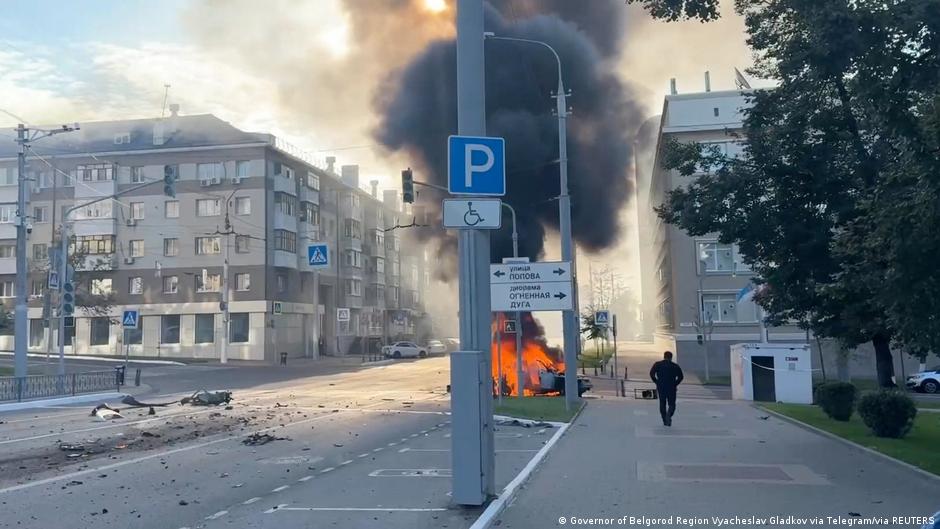
In the early hours of August 9, the Russian border city of Belgorod experienced a significant drone attack, resulting in a series of explosions and extensive damage to residential and administrative buildings. Local authorities reported 13 individuals injured, including two children, marking one of the more severe escalations in cross-border hostilities near Ukraine.
Context and Immediate Impact
According to statements from acting Governor Alexander Shuvaev, the attack occurred around 2:00 a.m. Moscow time, targeting multiple sites across the city. Preliminary assessments indicate damage to over four multi-storey residential buildings, alongside administrative, social, and commercial facilities. Although Russian defense and military entities had not commented at the time of reporting, open-source intelligence (OSINT) analyses suggest the strike may have been strategically aimed.
Ukraine’s Armed Forces employed unmanned aerial vehicles (UAVs) to carry out the attack, marking a continuation of drone-based tactics in the ongoing conflict. Videos and images circulated on social media and OSINT channels displayed scenes of fires, smoke plumes, and multiple drone flights over the city. Eyewitness accounts described tens of attack drones swarming over Belgorod, indicating a coordinated and sizable operation.
“The scale of the drone presence over Belgorod signifies a shift in tactical approaches, leveraging UAV swarm capabilities to challenge traditional defense postures along the border.”
Strategic Targets and Infrastructure Vulnerability
OSINT investigations, including photographic analyses by Astra, a specialized intelligence outlet, identified potential high-value targets within the affected area. Between three of the damaged apartment complexes lies a regional office of the Russian Federal Security Service (FSB), underscoring a probable intent to strike government security infrastructure.
Moreover, one residential building, severely affected by the strikes, is located approximately 600 meters from Belgorod’s Thermal Power Plant (TPP). The power plant is a critical component of the city’s energy infrastructure, and damage to the nearby structures could have threatened its operations. Photographic evidence revealed damage to the top floors of this building, highlighting the precision or proximity of strikes near vital utilities.
Broader Economic and Security Implications
The drone attack on Belgorod cannot be viewed merely as an isolated incident but rather as part of an escalating pattern of cross-border hostilities affecting civilian infrastructure and regional stability. From an economic standpoint, attacks on urban multi-family housing and essential services disrupt daily life, increase reconstruction costs, and potentially deter investment in border regions.
The proximity of the strikes to key security and energy installations raises concerns about the increasing vulnerability of critical infrastructure in conflict zones, where asymmetric warfare tools like UAVs are becoming more prevalent. This evolution challenges traditional defense frameworks and necessitates enhanced investment in drone detection and countermeasures, which in turn impacts regional budgets and economic priorities.
Historically, border regions embroiled in protracted conflicts suffer from diminished economic growth due to insecurity and infrastructure damage. The Belgorod incident serves as a reminder that modern drone warfare introduces new risks, not only military but also socioeconomic, that can exacerbate regional disparities and strain public resources.