Wage Disparities Between German and Foreign Workers in Germany Persist at 23.6% in 2025
Despite rising median wages for all, foreign workers in Germany continue to earn significantly less than their German counterparts, highlighting structural labor market inequalities.
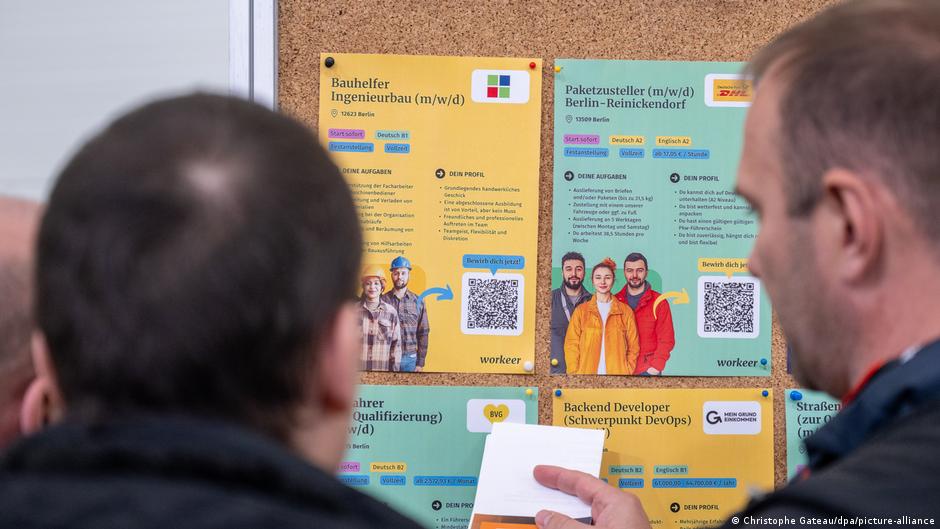
The wage gap between German and foreign full-time employees in Germany remains substantial, with foreign workers earning a median monthly salary 23.6% lower than Germans as of 2025. According to data released by the Federal Ministry of Labour and Social Affairs (BMAS), the median pre-tax monthly income for German workers reached €4,396, while foreign workers earned €3,358.
Structural Factors Underlying Persistent Wage Gaps
The reported 23.6% wage disparity aligns closely with figures recorded since 2020, which ranged from 23.1% to 25.5%. Both groups have seen median wages increase over time; however, the relative income gap remains largely unchanged. This persistent wage differential underscores entrenched structural factors in Germany's labor market.
“The disparity in earnings is significantly influenced by the lower representation of immigrants in high-paying sectors and occupations,” noted analysis from the Institute for Employment Research (IAB).
The IAB highlights that immigrants are less frequently employed in sectors or positions with higher remuneration. Consequently, a disproportionate share of foreign workers—30.6%—held low-paid full-time jobs in 2025, compared to only 12.3% among German workers. This skew towards lower-paying roles is a key driver of wage inequality.
Moreover, educational attainment and professional qualifications play decisive roles in wage outcomes. The Federal Employment Agency reports that in 2025, employees without professional qualifications earned a median salary of €3,133. Those with recognized professional qualifications earned €4,069, while university graduates commanded a median monthly wage of €6,146.
Given that foreign workers tend to have lower average levels of formal qualification and professional recognition in Germany, these factors contribute significantly to the persistent wage gap. The structural segmentation of the labor market—by education, qualifications, and sector—thus perpetuates economic disparities between native and foreign-born workers.
Historical and Economic Context
The enduring wage gap reflects broader historical trends of labor market segmentation in Germany, where immigrants often enter lower-skilled positions with limited upward mobility. This pattern is rooted in migration waves, differences in credential recognition, and language barriers.
From an economic standpoint, such disparities hinder full labor market integration and productivity potential. The underutilization of immigrant skills has implications for Germany's competitiveness amid demographic shifts and labor shortages.
Addressing these wage inequalities requires targeted policies to improve credential recognition, enhance vocational training accessibility, and reduce structural barriers in high-paying industries. Without such measures, the wage gap may persist, reinforcing socioeconomic divides and limiting inclusive growth.
In conclusion, the 23.6% wage difference between German and foreign workers in 2025 is a symptom of deep-rooted labor market segmentation driven by sectoral distribution, educational disparities, and professional qualifications. Understanding and addressing these structural causes is crucial for fostering equitable economic participation and harnessing the full potential of Germany's diverse workforce.