Drone Strikes Ignite Oil Storage Fires in Russia’s Krasnodar Region and Sevastopol
Ukrainian drone attacks on April 18 triggered fires at critical fuel depots, highlighting vulnerabilities in Russia's energy infrastructure amid ongoing conflict.
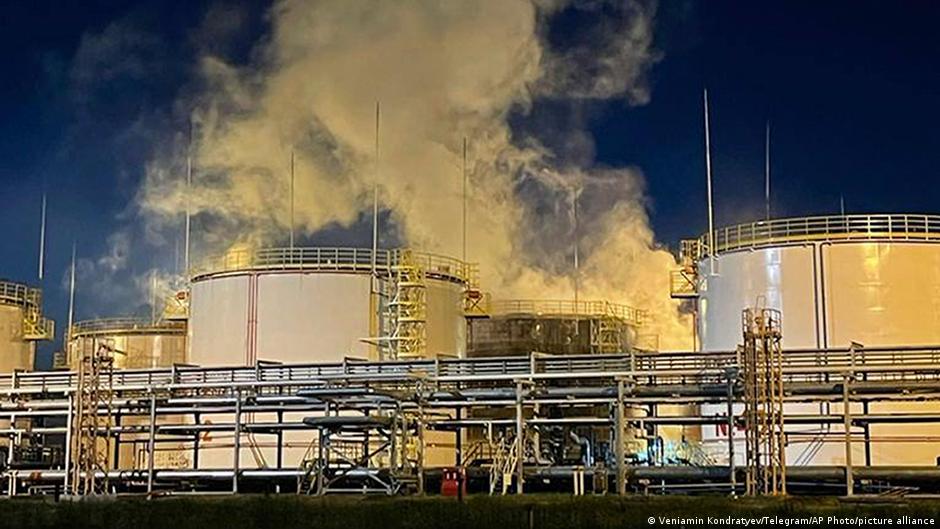
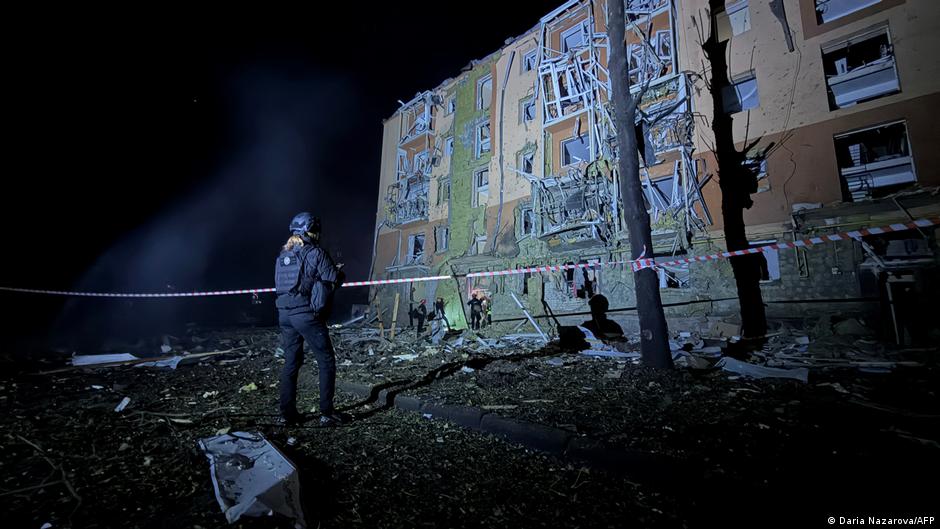
On the night of April 18, Ukrainian drone strikes targeted key oil storage facilities in Russia's Krasnodar region and the annexed city of Sevastopol, resulting in significant fires at these strategic energy assets. Authorities reported no casualties, but the incidents underscore the increasing risks posed to Russia’s energy logistics amid the ongoing military conflict.
Strategic Impact on Energy Infrastructure
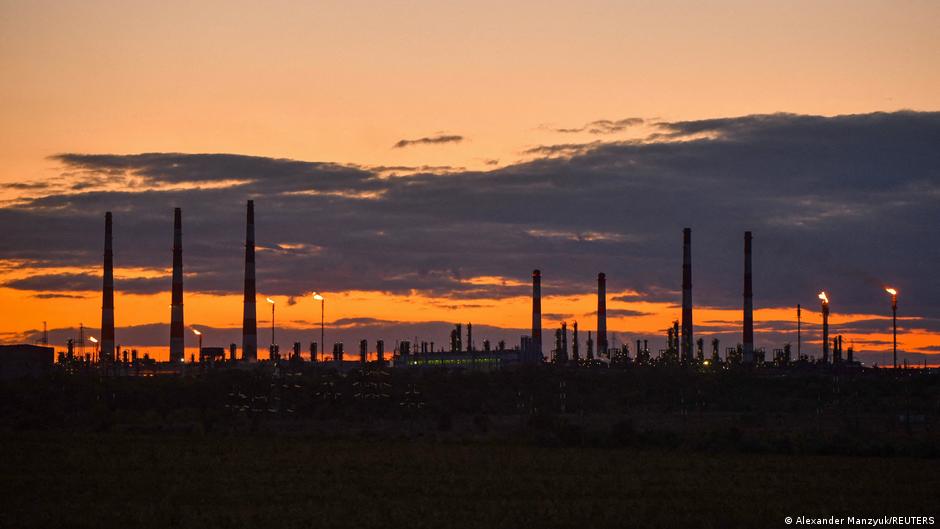
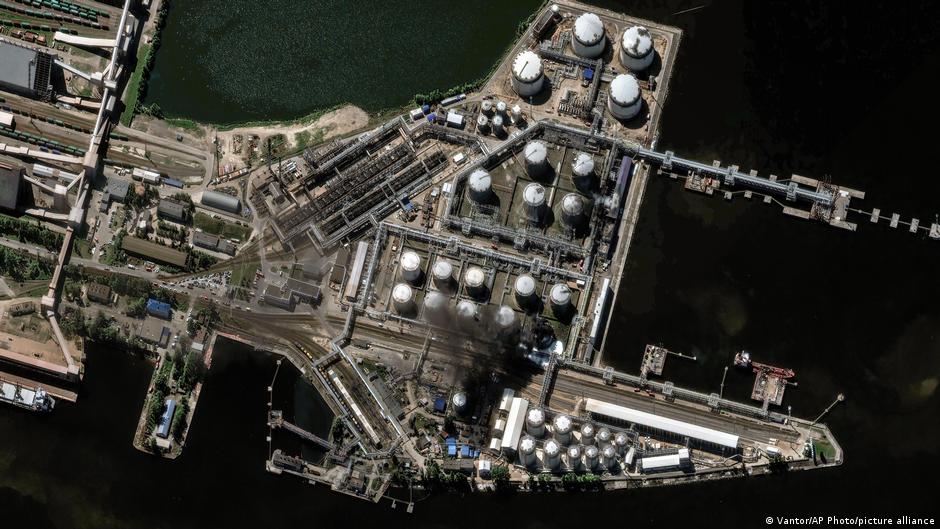
In Tikhoretsk, a city within the Krasnodar region, a drone attack ignited a fire at an oil depot. Regional emergency services mobilized 224 personnel and 56 units of equipment to contain and extinguish the blaze. Officials confirmed no fatalities or injuries occurred.
Simultaneously, in Sevastopol—a city annexed by Russia in 2014—local administration head Mikhail Razvozhayev reported a fire at an oil storage site in the Kazachya Bukhta microdistrict. The blaze was attributed to a downed drone striking a fuel reservoir, with the affected area described as small. Again, no casualties were reported. Razvozhayev also noted that Russia’s air defenses intercepted and destroyed 22 Ukrainian drones over Sevastopol that night.
“The fire in Sevastopol was caused by a downed UAV impacting a fuel reservoir, highlighting the evolving nature of asymmetric threats to critical infrastructure,” said local officials.
These attacks reveal the increasing operational use of unmanned aerial vehicles (UAVs) by Ukrainian forces to disrupt Russian military and economic assets beyond front lines. Targeting oil depots carries significant strategic weight, potentially affecting fuel supplies crucial for military logistics and regional energy distribution.
Broader Security Measures and Airspace Disruptions
The drone incursions prompted air raid alerts not only in Krasnodar and Sevastopol but also in Russia’s Leningrad region. Rosaviatsiya, the Russian Federal Air Transport Agency, imposed temporary restrictions on aircraft arrivals and departures at Pskov airport. Similar precautionary plans, known as "Plan Cover," were activated at airports in Saratov, Penza, Samara, and Ulyanovsk.
These defensive measures reflect a growing concern within Russian authorities regarding the vulnerability of critical infrastructure to low-cost, hard-to-detect drone attacks. The widespread activation of air defense protocols highlights the changing nature of aerial threats in modern conflict zones, where non-traditional tactics increasingly shape strategic outcomes.
Historical and Economic Context
The utilization of drones to target energy infrastructure represents a significant evolution in asymmetric warfare tactics. Historically, oil depots and pipelines have been prime targets in conflicts due to their central role in sustaining military operations and national economies. Similar strategies were observed during the Gulf War and more recently in conflicts involving non-state actors targeting energy assets to leverage political and military pressure.
Russia’s energy sector is a cornerstone of its economy and geopolitical influence. Disruptions in fuel supply chains can have cascading effects on military capacity and civilian economic activity. The increasing susceptibility of oil storage facilities to drone attacks signals a potential shift in the security landscape, necessitating enhanced technological and operational safeguards.
Moreover, the events unfold amid a broader context of escalating hostilities and sanctions that have already strained Russia’s economic infrastructure. The attacks may potentially amplify logistical challenges and increase operational costs for maintaining energy distribution networks.
Looking Ahead
As drone technologies become more accessible and sophisticated, their tactical deployment against critical infrastructure is likely to intensify, compelling states to reassess traditional defense architectures. For Russia, safeguarding vital energy assets requires integrated approaches combining advanced air defense systems, infrastructure hardening, and strategic redundancy.
From an economic perspective, sustained disruptions could pressure energy markets and contribute to volatility, particularly if attacks expand in scale or frequency. The strategic calculus surrounding energy security in conflict zones is increasingly complex, intertwining military tactics with long-term economic resilience.
In summary, the April 18 drone strikes on oil storage sites in Krasnodar and Sevastopol provide a stark example of how modern warfare challenges the security of critical energy infrastructure, with broad implications for regional stability and economic sustainability.