Russia Faces Prolonged War Scenario, Advises Rosneft Counselor Amid Rising Security Challenges
Rosneft advisor predicts decades-long conflict for Russia, urging economic and state system restructuring for defense and development.
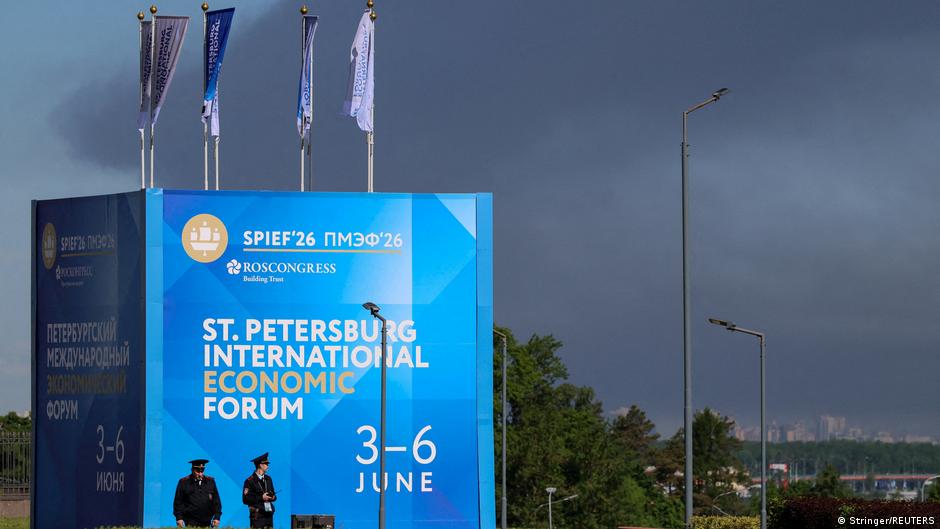
At the St. Petersburg International Economic Forum (SPIEF) on June 3, Andrei Bezrukov, an advisor to Rosneft CEO Igor Sechin and a former Soviet and Russian intelligence officer, outlined a sobering forecast for Russia's geopolitical and economic future. Bezrukov warned that Russia could remain in a state of war for several years, potentially stretching into a few decades, with profound implications for the country's social fabric and economic structure.
Decades of Conflict and Generational Impact
Bezrukov described the current conflict as possibly evolving from a "very hot" war into a more protracted, "creeping" conflict, which could shift to different regions but nonetheless maintain a continuous state of hostilities. According to him, this outlook implies that Russia could see two generations effectively living through wartime conditions, significantly influencing societal dynamics.
"We need to learn to live with this war," Bezrukov said, emphasizing the necessity for Russia to adapt its state system and economy to simultaneously fulfill developmental and defensive roles.
This perspective signals a structural shift in how Russia might prioritize its national projects, balancing economic growth with sustained military readiness and resilience. The counsel to integrate defense objectives into economic planning underscores the anticipated long-term strain on Russia's fiscal and industrial capacities.
Emerging Security Threats and Biowarfare Concerns
Beyond conventional warfare, Bezrukov raised alarms regarding the possibility of "biological warfare," mentioning technologies capable of creating viruses that could devastate populations. This claim aligns with broader narratives promoted by Russian state media since the onset of its large-scale military actions, which allege the existence of biolaboratories in Ukraine developing "ethnic weapons." However, independent experts and international observers dispute the feasibility and credibility of such claims.
The invocation of biowarfare threats signals a heightened sense of vulnerability in Russia's security discourse, potentially justifying expanded research, surveillance, and countermeasures within the domestic and military sectors.
Background of the Advisor
Andrei Bezrukov's background adds notable weight to his prognosis. Known during his earlier career as Donald Heathfield, he was a deep-cover Soviet and Russian intelligence operative living abroad from the 1980s until his 2010 arrest by the FBI alongside his wife, Elena Vavilova (aka Tracy Foley), and other agents. The spy ring was later exchanged back to Russia. Their family history underscores the complex intersections of espionage, diplomacy, and statecraft in Russia's modern history.
Recent Security Incidents in St. Petersburg
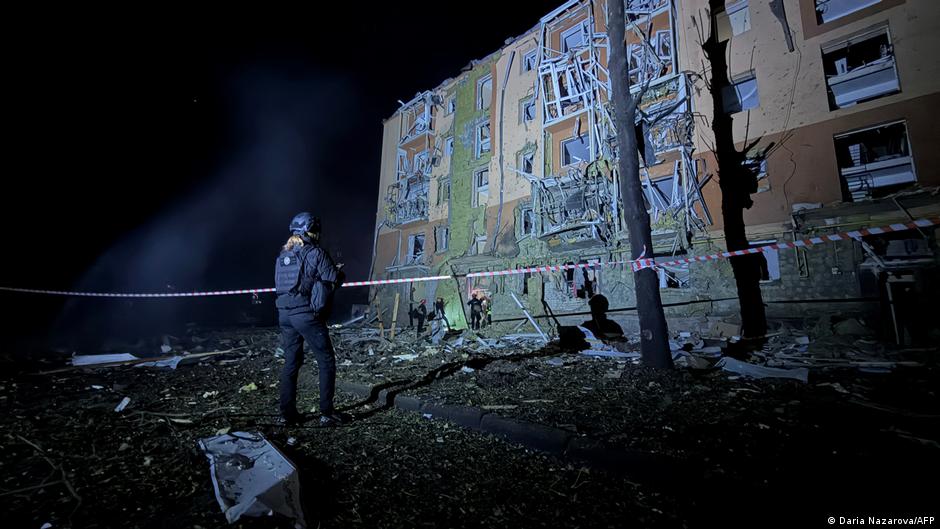
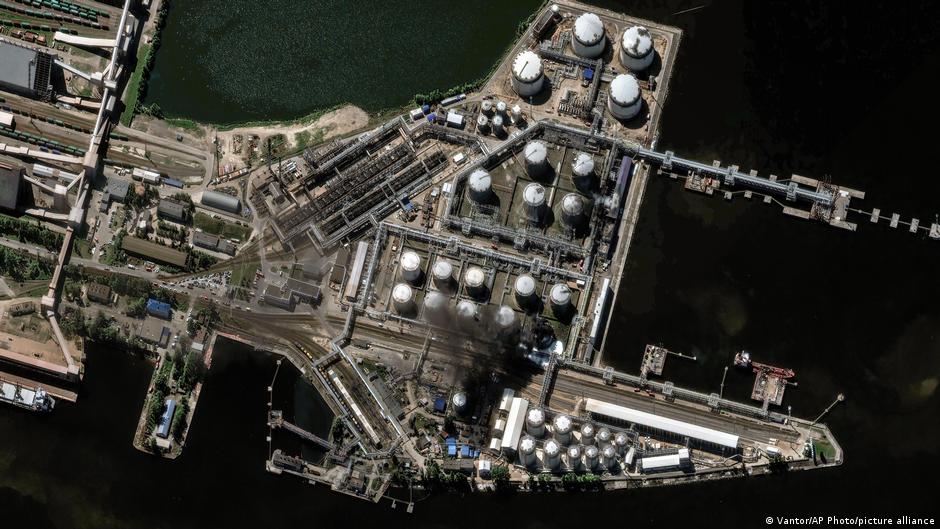
Adding to the tense atmosphere, the night before Bezrukov's speech, St. Petersburg and the surrounding Leningrad region experienced a coordinated drone attack. Numerous explosions were reported, with visible smoke rising above the city. Governor Alexander Beglov confirmed several injuries and noted significant damage, including a fire at the city's major oil terminal, a critical infrastructure node in Russia's northwest. Residential areas, such as the "Pearl Cascade" complex along the Gulf of Finland, also sustained damage.
The attacks caused disruptions in mobile internet services, affecting connectivity even to government-approved websites. Pulkovo Airport implemented the "Kover" emergency plan, resulting in dozens of delayed flights. These events underscore the escalating challenges Russia faces on its home front, highlighting vulnerabilities in urban centers and critical infrastructure.
Bezrukov's remarks and the concurrent security incidents reveal a nation bracing for extended conflict and preparing to recalibrate its economic and governmental priorities accordingly. The long-term consequences for Russia's economic stability, demographic trends, and global standing remain to be seen but will likely be significant.