US Mediates Ceasefire Agreement Between Israel and Lebanon Amid Renewed Regional Conflict
Israel and Lebanon, facilitated by the US, agree to a ceasefire contingent on Hezbollah’s disarmament south of the Litani River.
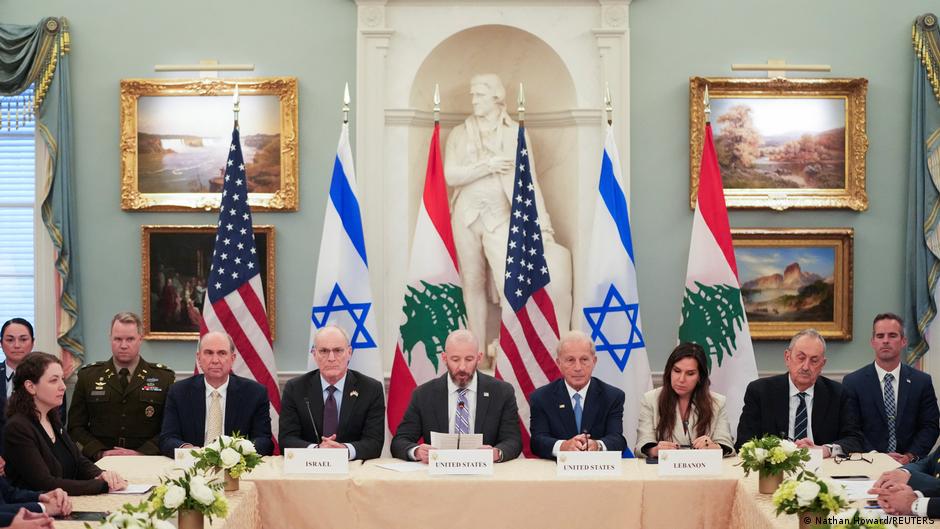
On June 3, the US Department of State announced a landmark ceasefire agreement between Israel and Lebanon, brokered through intensive negotiations held in Washington. The deal aims to halt ongoing hostilities fueled by the escalating conflict involving regional and international actors.
Context and Terms of the Ceasefire
The agreement stipulates a comprehensive cessation of fire from the Lebanese militant group Hezbollah and the withdrawal of its forces from the buffer zone south of the Litani River. This demilitarized sector will be monitored exclusively by the Lebanese Armed Forces, as per the provisions of the trilateral statement.
Following two days of direct talks between Israeli and Lebanese delegations, the parties committed to extending negotiations beginning the week of June 22 to resolve outstanding issues and formalize a broader peace accord.
"The sustainability of the ceasefire depends critically on Hezbollah's complete cessation of hostilities and redeployment from the southern border zone," the US State Department highlighted.
The resurgence of conflict traces back to intensified US-Israel military actions targeting Iran, which escalated regional tensions. Since March, Hezbollah retaliated with rocket attacks on Israeli territory following the killing of Iran's Supreme Leader Ayatollah Ali Khamenei by combined US-Israeli strikes. Israel responded with extensive air raids, including strikes on Beirut, and launched a ground operation to establish a defensive buffer along its northern frontier.
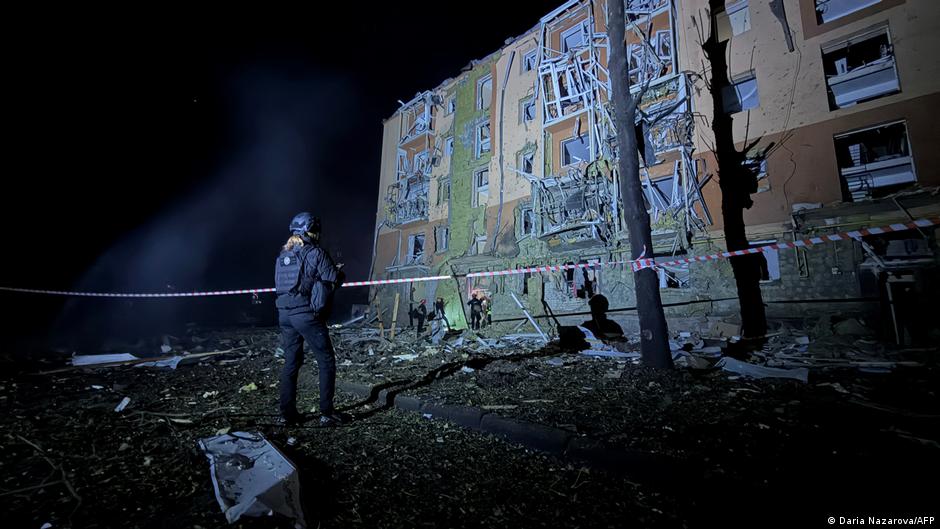
Casualty figures underscore the severe humanitarian toll: approximately 2,200 fatalities in Lebanon—with many civilians affected—and over 1,700 Hezbollah fighters killed, according to Israeli military sources. Civilian casualty statistics remain incomplete amid ongoing hostilities.
Historical and Structural Implications
This ceasefire represents a significant diplomatic breakthrough, marking the first direct Israel-Lebanon talks since 1993 and reflecting US efforts to stabilize a volatile theater of conflict. The arrangement’s focus on disarming Hezbollah in the southern border zone suggests a strategic recalibration that might alter Lebanon’s internal power dynamics and Israel’s security calculus.
The agreement must be understood within the broader geopolitical context—a proxy conflict involving Iran’s regional ambitions, US-Israel military cooperation, and Lebanon’s fragile state institutions. Persistent hostilities have deepened sectarian divides and compounded governance challenges in Lebanon, exacerbating its economic crisis.
From an economic perspective, the ceasefire could open pathways for reconstruction and cross-border trade revitalization, crucial for Lebanon’s struggling economy. However, the durability of peace hinges on addressing Hezbollah’s role not only militarily but also politically, balancing external security interests with Lebanon’s sovereignty and internal stability.
US mediation reflects an evolving American strategy to contain Iran's influence through diplomatic engagement coupled with military deterrence. It also signals renewed focus on preventing escalation in one of the Middle East's most entrenched conflicts, with potential ripple effects on regional energy markets and global economic stability.
As talks resume, the international community will closely watch how this ceasefire shapes Lebanon’s political landscape and whether it can serve as a foundation for a comprehensive peace framework in the Levant.