Finland Seizes €3.7 Million in Russian Assets for Naftogaz Amid Broader Economic Dispute
Finnish authorities confiscate Russian funds linked to cross-border cooperation as Naftogaz pursues arbitration claims over Crimean assets.
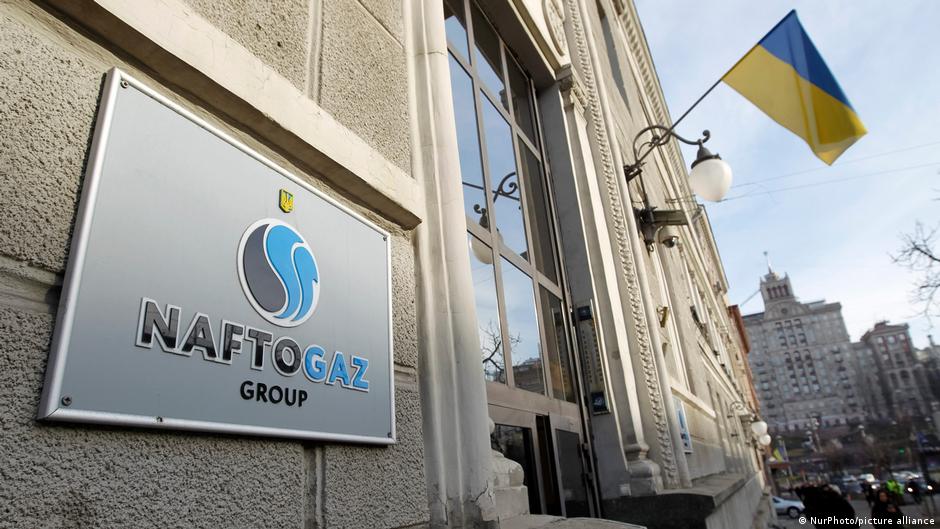
In a significant move reflecting the ongoing economic and legal contest between Russia and Ukraine, Finnish authorities have confiscated approximately €3.7 million in Russian assets. This action is tied to a claim by Ukraine's state energy company, Naftogaz, which seeks compensation for properties seized by Russia in the annexed Crimean Peninsula.
Context and Historical Background
The funds in question were initially allocated by Russia to support a cross-border cooperation program with the European Union, aimed at fostering economic development in the border regions of Russia and Finland. These allocations, totaling €3.7 million, were made prior to Russia's 2022 invasion of Ukraine, after which the program was abruptly discontinued and the money remained in Finland.
Naftogaz's claim is rooted in a 2023 ruling by the Permanent Court of Arbitration in The Hague, which ordered the Russian government to pay $5 billion for the expropriation of its assets in Crimea. Russia has refused to comply with this ruling, prompting Naftogaz to pursue enforcement actions in jurisdictions outside Russia, including Finland.
"The confiscation of these funds in Finland represents a strategic extension of Ukraine’s efforts to enforce international arbitration awards against Russia amid ongoing geopolitical tensions," legal experts suggest.
Economic and Legal Implications
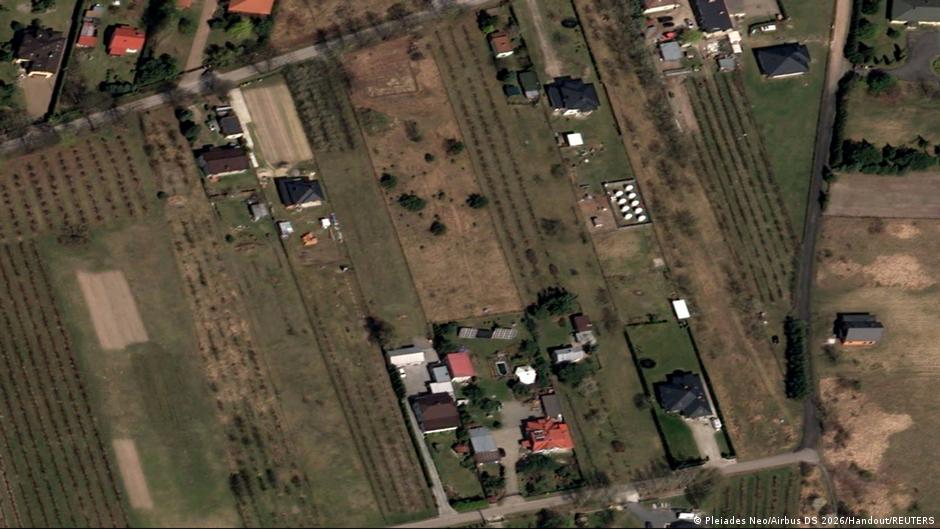
Finland's confiscation is part of a series of enforcement actions; earlier seizures of Russian assets on Naftogaz's behalf in Finland have amounted to at least €40 million. These previously included real estate holdings such as land and buildings associated with the Russian Science and Culture Center in Helsinki, highlighting the breadth of targets in this enforcement campaign.
From an economic perspective, these confiscations illustrate the growing risks associated with cross-border financial engagements amidst geopolitical conflicts. The freezing and seizure of development funds disrupt bilateral economic cooperation and potentially jeopardize future projects designed to foster regional stability and growth.
Moreover, the structural consequences extend beyond immediate financial losses. The use of legal mechanisms in neutral territories to enforce claims related to unresolved territorial disputes raises complex questions about sovereignty, international investment security, and the politicization of economic instruments.
Russia’s Response and Future Outlook
Russia has consistently rejected the jurisdiction of the Hague arbitration court over this matter, declaring its non-recognition of the court’s decisions regarding Naftogaz's seized assets in Crimea. The Russian Foreign Ministry has repeatedly condemned Finland's enforcement actions as unlawful and has threatened retaliatory measures against Helsinki.
These developments underscore the intricate intertwining of legal, economic, and geopolitical dimensions in the Russia-Ukraine conflict. They also signal potential challenges for other countries balancing legal obligations with diplomatic relations amid ongoing hostilities.
As the dispute unfolds, it highlights the broader trend of economic statecraft where assets and financial flows become leverage points in international conflicts. The Finnish confiscation of Russian funds, while numerically modest, serves as a notable example of how legal rulings and economic sanctions intersect to redefine the landscape of cross-border economic cooperation in contested geopolitical environments.