Drone Strikes on Russian Industrial Sites Highlight Strategic Economic Vulnerabilities
Recent drone attacks caused fires at key Russian chemical and oil facilities, underscoring risks to industrial production and regional economic stability.

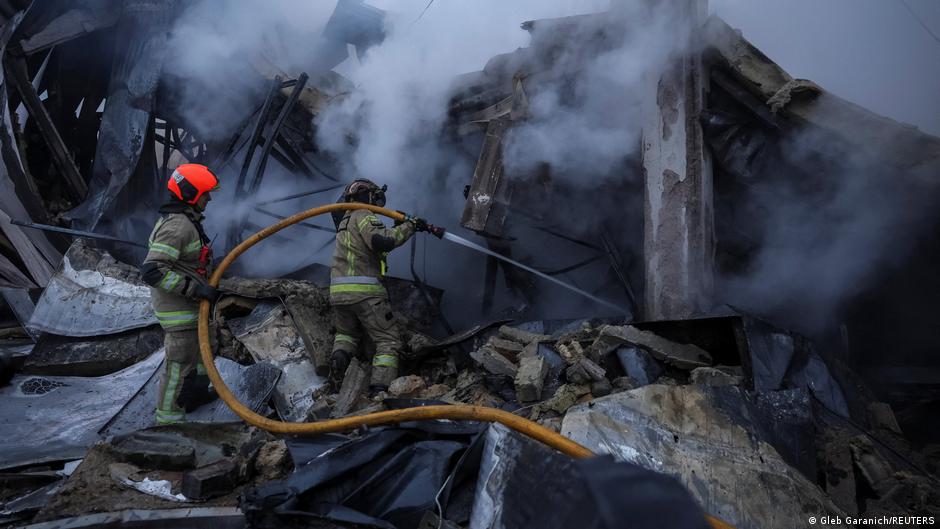
On the night of June 14, multiple Russian regions including Tula, Yaroslavl, Smolensk, and Oryol experienced coordinated attacks by unmanned aerial vehicles (UAVs), commonly known as drones. These strikes targeted industrial infrastructure, resulting in significant fires and raising concerns about the vulnerability of Russia's economic backbone amid ongoing geopolitical tensions.
Impact on Chemical and Energy Industries
One of the most notable incidents occurred at the Azot chemical plant in Novomoskovsk, Tula Region. This facility is among Russia's largest producers of nitrogen fertilizers, but its production portfolio extends to chemicals such as acetic and nitric acids. These substances are precursors for explosives like octogen and hexogen, which are critical for military applications.
"The targeting of chemical plants producing dual-use materials reveals an intentional disruption strategy affecting both civilian and military supply chains," an industrial analyst noted.
The Azot plant fire persisted from night into dawn, signifying extensive damage. Emergency response teams were quickly mobilized, although detailed assessments of the extent of physical damage and potential environmental consequences remain pending.
In Smolensk, residents reported a fire at an unspecified industrial site, while in Yaroslavl Region, authorities implemented road transport restrictions towards Moscow due to aerial threats. Monitoring groups also indicated a drone strike near an oil depot close to Rybinsk, where locals shared footage of smoke plumes rising from the facility.
Further drone activity was recorded in Tatarstan, targeting significant petrochemical and oil refining establishments such as the Nizhnekamskneftekhim plant and the Taneco refinery. These sites are pillars of Russia's energy sector, emphasizing a broader pattern of strikes aimed at energy infrastructure.
Broader Economic and Security Implications
The interlocking nature of Russia’s industrial sectors means that damage to chemical plants and refineries can ripple through supply chains, affecting domestic production and exports. The synthesis of fertilizers not only supports agriculture but also feeds into military-grade explosive manufacturing, indicating that attacks disrupt both economic output and military logistics.
Air defense units intercepted several drones over Oryol Region, preventing greater destruction. However, collateral damage occurred when a UAV struck a residential building, igniting fires on multiple floors. This incident underlines the risks posed to civilian infrastructure amidst conflict zones extending into Russian territory.
Logistical disruptions due to aerial threats have led to transportation constraints, as seen with movement restrictions near Moscow. The operational limitations on airports in Tambov, Kaluga, Nizhny Novgorod, and Yaroslavl further illustrate the widescale impact on regional connectivity and commerce.
Historically, targeted strikes on industrial infrastructure have profound consequences beyond immediate physical damage. They can degrade production capacity, deter investment, and trigger shifts in regional economic dynamics. In the context of ongoing hostilities, these drone attacks exemplify asymmetric tactics designed to exploit vulnerabilities in critical infrastructure.
As Russia navigates these multifaceted challenges, the resilience of its industrial sectors and the effectiveness of countermeasures will critically influence economic stability and strategic capacities moving forward.