Austria Plans to Extend Mandatory Military Service Amid Security Concerns
Austria’s government proposes a longer conscription period to address evolving security threats including hybrid warfare and infrastructure risks.
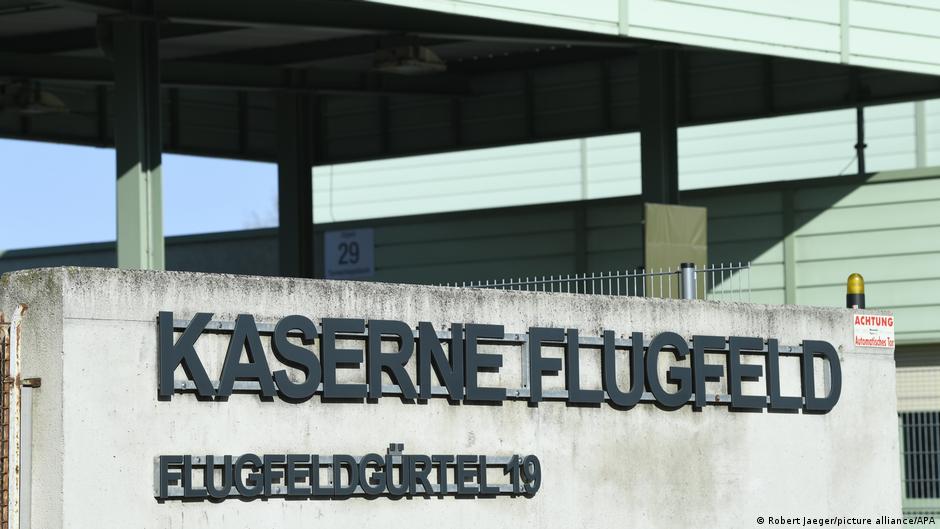
Austria is set to extend the duration of its mandatory military service from six to nine months, a significant shift influenced by changing security dynamics in Europe. This decision, announced by the Austrian government on July 27, comes after extensive negotiations within the governing coalition consisting of the Austrian People’s Party (ÖVP), the Social Democratic Party (SPÖ), and the liberal Neos party.
Context and Rationale Behind the Reform
The reform aims to introduce compulsory field training exercises following the initial six months of basic military preparation. These exercises, designed to be conducted periodically within a 10-year window, are part of a phased approach largely aligned with recommendations from a specialized expert commission on defense readiness.
"It is not enough to simply acquire new equipment if our soldiers do not have sufficient practical experience using it in emergencies," stated Federal Chancellor Christian Schallenberg, underscoring the necessity of improved operational readiness.
The government justifies the extension by citing the altered security landscape resulting from Russia’s war in Ukraine, which has shattered hopes for lasting peace in Europe. Beyond conventional military threats, Austria is also increasingly concerned about cyberattacks, hybrid warfare tactics, and vulnerabilities targeting critical infrastructure.
Measures to enhance the attractiveness of military service include plans to increase soldiers' pay to approximately €1,000 per month and provide additional leave days. These incentives seek to address recruitment challenges and improve retention in a voluntary military reserve system.
Political Dynamics and Implementation Timeline
The proposed amendments require a two-thirds parliamentary majority to pass. Consequently, the current three-party coalition is seeking support from both the Freedom Party of Austria (FPÖ) and the Green Party to secure approval. If ratified, the new service length and training regimen would take effect on January 1, 2027.
The reform does not immediately affect the nine-month civilian service alternative but plans to allow voluntary two-month extensions starting in 2027. By 2028, extensions could become mandatory if conscription targets are insufficiently met, indicating a flexible but progressive approach to national service obligations.
Historical and Structural Implications
Austria’s position as a militarily neutral state outside NATO has historically emphasized limited conscription with restrained defense posture. However, the current geopolitical environment—heightened by Russia’s aggression—necessitates reevaluating this stance. The extension reflects a broader trend among European countries revisiting their defense policies, balancing neutrality with the imperative to enhance national resilience.
The move also highlights structural challenges in maintaining a ready and capable military force with sufficient manpower and practical training. Increased duration and improved benefits aim to strengthen Austria’s defense capabilities without altering its neutral status, demonstrating a pragmatic adaptation to contemporary threats.
In conclusion, Austria’s reform of mandatory military service represents a strategic response to complex security threats that blend conventional and asymmetric elements. Its phased implementation, political negotiation, and emphasis on training and incentives offer insight into how medium-sized neutral states can reassess defense readiness amid shifting geopolitical realities.