EU Airports Struggle with New EES Biometric System Amid Rising Passenger Delays
The rollout of the Entry/Exit System has caused multi-hour queues at major European airports, raising concerns about economic impacts on travel and tourism sectors.
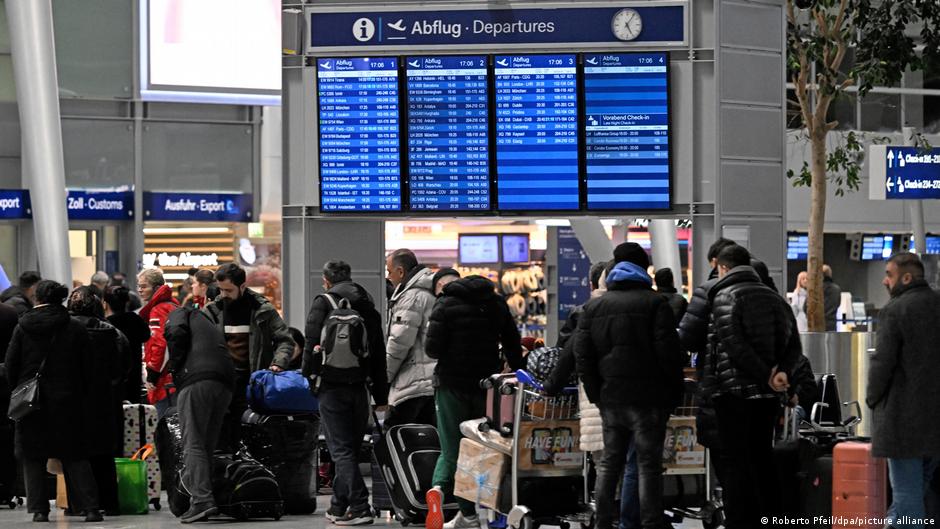
Since April 10, 2026, the European Union's new biometric Entry/Exit System (EES) has been fully implemented across all 29 Schengen countries. This system replaces manual passport stamping with biometric data collection, requiring third-country nationals to submit photographs and fingerprints upon entry and exit. While intended to enhance border security and streamline immigration processes, the EES has instead generated extensive delays in airport border controls throughout Europe, raising alarms about its broader economic consequences.
Operational Challenges and Economic Implications
The Airports Council International (ACI) Europe has reported severe congestion at airports in France, Germany, Belgium, Italy, Spain, and Greece. According to Olivier Jankovec, director general of ACI Europe, passengers currently face wait times of up to three hours during peak periods. Michael O’Leary, CEO of Ryanair, condemned the system, describing it as a "complete disgrace and chaos," and comparing the experience to a "punishment for Brexit." He called for postponing the full implementation of EES until October, citing queues as long as four hours in some locations.
"Passengers are forced to endure multi-hour waits at border control, risking a summer travel season collapse if immediate action is not taken." – Olivier Jankovec, ACI Europe
These prolonged delays carry significant economic risks. The travel and tourism industries are critical contributors to the European economy, supporting millions of jobs and generating substantial revenue. Disruptions at airports threaten to dampen tourist arrivals during the crucial summer months, leading to lost revenues for airlines, airports, and the hospitality sector. For example, at Milan Linate Airport, 122 passengers on an EasyJet flight to Manchester missed boarding due to delayed biometric checks; the plane departed without them. While the airline offered free ticket rescheduling, it declined responsibility for the incident, underscoring the systemic nature of the problem.
Discrepancies Between Official and Industry Assessments
The European Commission has defended the EES, asserting that it operates normally and that processing an individual traveler takes an average of 70 seconds. However, ACI Europe disputes this figure, estimating that the real processing time is approximately five times longer. Such discrepancies highlight the challenges in accurately assessing operational efficiency during early system deployment phases.
The EES was initially rolled out in October 2025 in a phased approach, beginning with the Czech Republic, Estonia, and Luxembourg. Starting April 10, 2026, all Schengen member states adopted the system. Notably, EU citizens, residents with permits, and diplomats are exempt from the biometric procedure. While the system aims to enhance border security and prevent irregular migration, its initial implementation has exposed weaknesses in infrastructure and resource allocation at key transit points.
Historical and Structural Context
The introduction of biometric border controls is part of a broader trend toward digitalization and automation in immigration management across the EU. Historically, the Schengen area's open borders have facilitated seamless travel, underpinning economic integration and labor mobility. However, the rising security concerns and migration pressures over the past decade have prompted member states to tighten controls.
The current EES challenges echo past instances where technological upgrades at borders led to unintended economic disruptions. For example, the introduction of electronic passport gates in the early 2010s initially resulted in bottlenecks until systems and staffing were optimized. The present situation underscores the need for extensive testing, adequate infrastructure investment, and flexible operational protocols to balance security with efficiency.
Looking ahead, the ability of the EU to swiftly address these operational hurdles will be critical not only for passenger experience but also for sustaining the economic vitality of its travel-dependent sectors. Calls from industry stakeholders to allow border authorities to suspend EES operations temporarily during peak congestion reflect urgent demands for pragmatic solutions.
In summary, the EES implementation highlights the complex interplay between technological modernization, security imperatives, and economic impacts in the EU’s border management policies. The coming months will be decisive in determining whether this biometric system can fulfill its intended security goals without compromising the smooth flow of people and goods that underpin Europe's economy.