EU and US Condemn Israel Over Treatment of Detainees from Pro-Palestinian Flotilla
Western nations criticize Israel's handling of detained activists amid geopolitical tensions surrounding Gaza blockade enforcement.
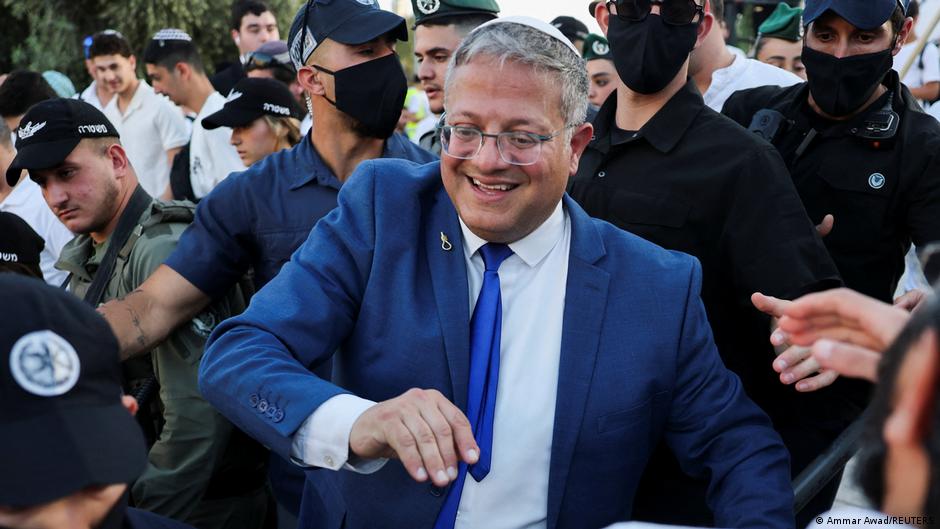
In May 2026, Israel faced sharp international criticism from the European Union, the United States, and several Western countries following the public release of a video showing detained activists from the pro-Palestinian "Sumud" flotilla in a degrading position. The footage, posted by Israel's Minister of National Security Itamar Ben-Gvir, depicted activists with hands tied behind their backs, kneeling with bowed heads in Ashdod port, while Ben-Gvir was seen gesturing boldly and shouting slogans asserting Israeli dominance.
Diplomatic Fallout and International Reactions
The video provoked diplomatic tensions, with countries including Italy, France, Canada, the Netherlands, Belgium, and Portugal summoning Israeli ambassadors to express their concerns. Spain, lacking an Israeli ambassador at the time, called in the chargé d'affaires. Poland's Foreign Minister Radosław Sikorski condemned the treatment of detainees, emphasizing that some were Polish citizens who had committed no crime. Sikorski demanded justice and appropriate repercussions, underscoring that such maltreatment violates democratic norms.
"In a democratic world, detainees must not be subjected to harsh treatment or humiliation," Sikorski stated via social media.
The European External Action Service representative Anuar El-Anuni described the treatment of the activists as "completely unacceptable," urging Israel to uphold international law and guarantee detainees' safety and dignity. EU High Representative for Foreign Affairs and Security Policy Kaja Kallas labeled the behavior as "humiliating and unacceptable," criticizing Ben-Gvir's conduct as unworthy of any democratic official.
Similarly, the US Ambassador to Israel, Mike Hakubi, acknowledged that while the activists’ attempt to breach the Gaza naval blockade was ill-advised, Ben-Gvir's actions had "betrayed the dignity of his nation." Germany’s Foreign Minister Johann Wadephul called the Israeli minister’s conduct "absolutely unacceptable," highlighting its contradiction with the shared values Germany and Israel uphold. Germany’s ambassador echoed these sentiments.
Within Israel, Foreign Minister Gideon Saar publicly reprimanded Ben-Gvir, accusing him of damaging the state’s reputation and negating the efforts of soldiers and diplomats working professionally on the case. Prime Minister Benjamin Netanyahu acknowledged Israel's sovereign right to prevent provocative flotillas from entering its territorial waters but distanced his government from Ben-Gvir’s treatment of the detainees, stating it did not reflect Israeli values.
Contextualizing the Gaza Naval Blockade and Flotilla Activism
The "Sumud" flotilla embarked from Marmaris, Turkey, on May 14, 2026, aiming to challenge Israel’s blockade of Gaza, only to be intercepted by Israeli naval forces on May 18 in international waters approximately 250 nautical miles from Gaza. Organizers reported 428 activists on board, representing over 40 countries. This incident is part of a recurrent pattern of attempts to breach the blockade, previously exemplified by a similar flotilla in October 2025 that included climate activist Greta Thunberg.
Israel enforces the naval blockade citing security concerns related to Hamas, which it and Western allies designate a terrorist organization. The blockade aims to prevent arms smuggling into Gaza but has drawn criticism for its humanitarian impact and for restricting the movement of goods and people. The recurring flotilla campaigns symbolize persistent international civil society resistance against the blockade, often igniting geopolitical and diplomatic controversies.
These episodes highlight the structural challenges in resolving the Israeli-Palestinian conflict, where security considerations intersect with international legal norms and human rights concerns. The recent events underscore the tension between Israel’s security policies and the international community’s demand for adherence to humanitarian standards, reflecting longstanding dilemmas in international maritime enforcement and conflict management.
As these confrontations continue, the economic and political consequences for the region remain profound. The blockade affects Gaza's economy by limiting imports and exports, thereby exacerbating poverty and unemployment. The international backlash against Israel’s handling of detainees may complicate diplomatic relations and could impact broader economic cooperation and aid allocations. This incident serves as a reminder of how geopolitical conflicts, maritime law enforcement, and human rights intersect with economic stability and international relations in fragile contexts.