EU Engages in Quiet Diplomacy with Kremlin Amid Ukraine Conflict
European Council begins discreet contacts with Moscow to lay groundwork for potential peace talks on Ukraine war.
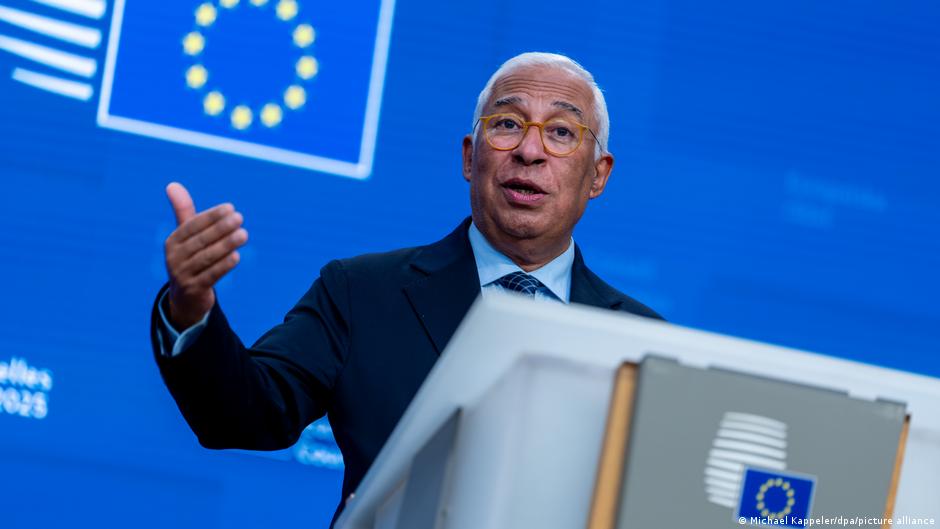
In a significant shift in diplomatic strategy, the European Union has initiated discreet communications with the Kremlin aimed at preparing the ground for future negotiations to end the war in Ukraine. According to informed sources, the advisor to the President of the European Council, António Costa, has twice engaged in telephone conversations with a senior Russian official close to President Vladimir Putin. These confidential discussions are reportedly designed to pave the way for more substantive talks in the future, although precise details about the timing and participants remain undisclosed.
Context and Implications of EU's Quiet Outreach
The European Union's approach marks a notable evolution amid escalating conflict dynamics on the ground. Earlier in May, President Costa acknowledged the EU leadership's efforts to prepare for potential negotiations with Russia, emphasizing the necessity to coordinate among EU member states and to identify key discussion points for when the opportunity arises. He expressed an optimistic view that there remains "potential" for engaging directly with Putin.
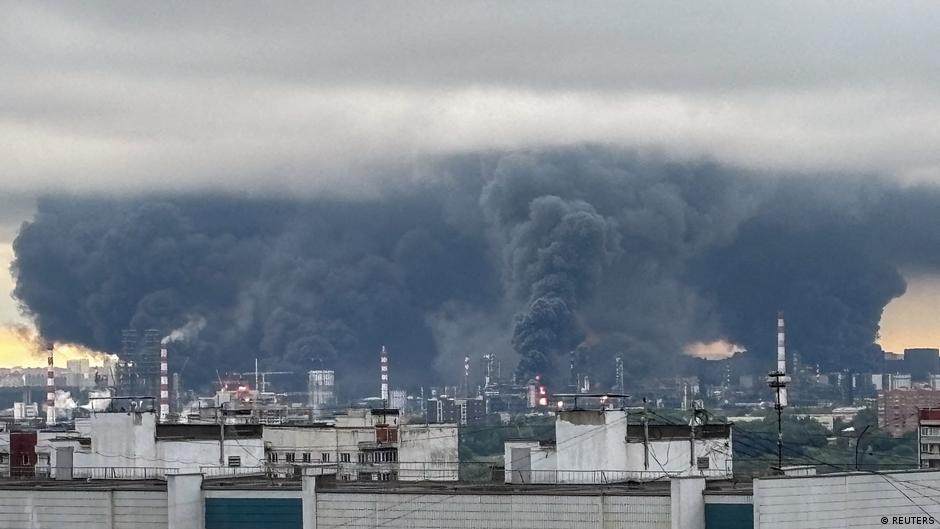
These one-on-one contacts coincide with growing military and economic pressures. The Russian military struggles to make significant advances, while Ukrainian forces have intensified strikes within Russian territory. Concurrently, the economic toll of the conflict is mounting for Moscow, complicating Russia’s strategic calculus. EU officials perceive these factors as creating a more conducive environment for peace negotiations.
"The EU is laying the groundwork for future talks, recognizing the shifting balance of forces and the increased economic costs on Russia," said a senior European official familiar with the discussions.
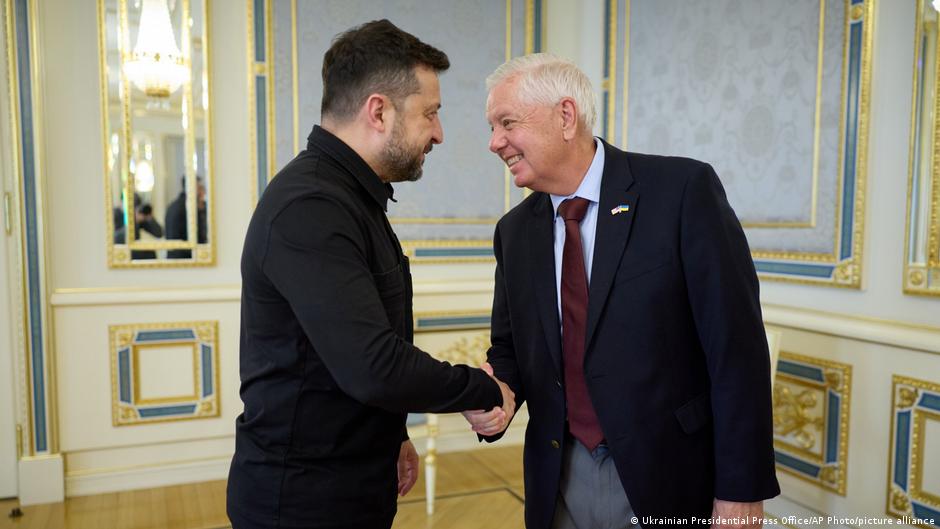
Moreover, the strategy to engage Putin in peace talks has been discussed independently and with the concurrence of Ukrainian President Volodymyr Zelensky by Europe’s three largest economies: Germany, France, and the United Kingdom. This coordination reflects an effort to present a united front and to formulate a coherent approach toward ending hostilities.
Historical and Structural Economic Considerations
From a broader economic perspective, the EU's quiet diplomacy reflects a pragmatic recognition of the conflict’s structural consequences. The war has precipitated severe economic disruptions, not only for Russia but for the global market, including energy supply shocks and inflationary pressures. The EU’s cautious engagement suggests an understanding that prolonged conflict risks deeper economic fragmentation and potential long-term instability in Europe.
Historically, European powers have often resorted to backchannel communications during periods of heightened tension to prevent escalation and prepare for negotiated settlements. This diplomatic tradition underscores the EU’s desire to balance principled support for Ukraine with the necessity of eventual conflict resolution.
Yet, the opacity surrounding these contacts also reflects the political sensitivities involved. Neither the European Council spokespeople nor the Kremlin’s press secretary have commented on the reported phone calls, indicating a deliberate low-profile approach designed to avoid jeopardizing ongoing strategic calculations on both sides.
The EU’s initiative to quietly engage with Moscow also raises significant questions regarding its future economic relations with Russia. Sanctions imposed since the conflict began have reshaped trade and investment flows, and any negotiations will necessarily have to address these economic measures, their potential easing, and the broader reintegration of Russia into international markets.
As the conflict persists, the EU’s discreet diplomatic efforts may signal a gradual shift toward seeking structural solutions that address both political and economic dimensions of the war. Whether these initial contacts will lead to formal talks remains uncertain, but they represent a critical step in the complex and evolving landscape of European security and economic stability.