US Implements Permanent Visa Bond for Citizens of 50 Countries Amid Overstay Concerns
The US State Department introduces a mandatory visa bond of up to $20,000 to curb visa regime violations by citizens from select countries.
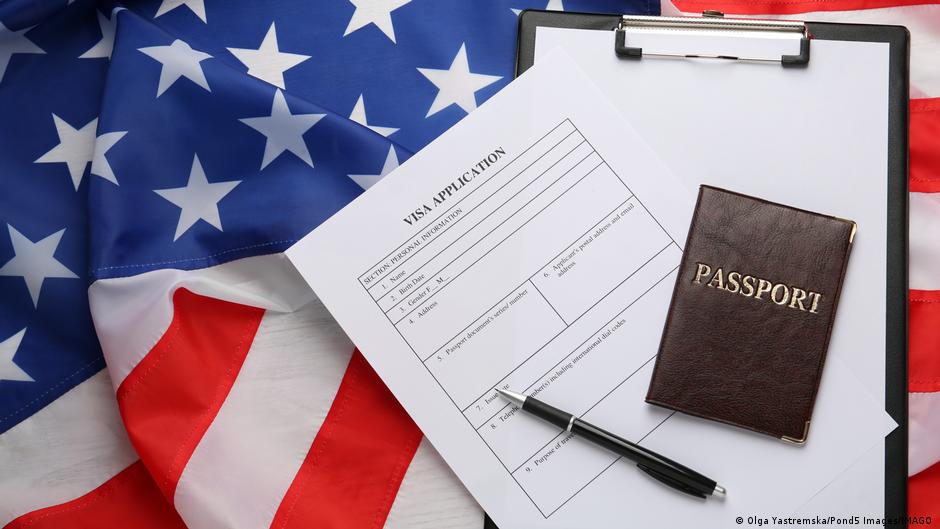
From August 3, 2024, the United States will officially enact a permanent visa bond policy requiring applicants from 50 countries to deposit up to $20,000 when applying for B-1/B-2 business and tourist visas. This follows a pilot program deemed successful by the US Department of State, which sought to reduce instances of visa overstays and abuse of the US visa regime.
Context and Rationale Behind the Visa Bond
The visa bond system means that applicants from certain countries must provide a financial guarantee that they will comply with the terms of their visa, including timely departure from the United States. According to the State Department, if the visa holder leaves the US on time, does not use the visa, or is denied entry, the bond is refunded. However, if the individual overstays or violates visa conditions, the bond is forfeited.
Countries included in this new policy span regions with historically higher rates of visa violations and overstays. Notably, the list includes nations such as Georgia, Kyrgyzstan, Tajikistan, Turkmenistan, Algeria, Angola, Bangladesh, Cambodia, the Central African Republic, Mongolia, Nepal, Nicaragua, Tunisia, Uganda, Venezuela, Zimbabwe, and others from Africa, Southeast Asia, and Latin America. Russia is not on this list.
The State Department highlighted that citizens from these countries have had comparatively higher rates of visa regime violations, necessitating stricter financial securities to ensure compliance. The bond aims to reduce the frequency of visa overstays, which, according to data cited by Associated Press, amounted to nearly 45,500 cases among the listed countries in the 2024 fiscal year.
"The bond mechanism provides a tangible financial deterrent against overstaying, aligning with US immigration enforcement objectives," the State Department noted.
During the pilot phase, bonds ranged from $5,000 to $15,000, but the new policy removes the minimum threshold and raises the maximum possible bond to $20,000. The pilot program reportedly led to a significant drop in overstays, with fewer than 50 cases recorded within the first 10 months and an 83% decline in visa issuance to citizens from the affected countries.
Economic and Structural Implications
This policy shift carries broader economic and structural implications. On one hand, it serves as a tool to mitigate the fiscal and social costs associated with visa overstays, which can strain public resources and complicate immigration enforcement. The financial barrier may also function as a form of risk-based screening, indirectly influencing migration flows and bilateral relations.
However, such bonds raise questions about accessibility and equity. The requirement to post a bond of up to $20,000 could disproportionately affect lower-income applicants from the targeted countries, potentially reducing legitimate travel for tourism, business, and cultural exchange. This could have downstream effects on bilateral trade, diaspora remittances, and people-to-people ties.
Historically, visa bond and deposit schemes have been used sporadically in various immigration systems to discourage visa abuse, but their permanent imposition at this scale is unprecedented for US visa policy. The move also reflects a broader tightening of US immigration controls amidst ongoing domestic debates over border security and immigration reform.
Given that Russia was excluded from the list, the policy signals a targeted approach based on empirical data regarding compliance, rather than broad geopolitical considerations alone. Nonetheless, the policy may affect regional dynamics, particularly in Central Asia and parts of Africa and Latin America, where migration and mobility patterns are evolving.
As this new visa bond system becomes permanent, analysts will be watching its impact on migration behaviors, consular workloads, and economic relations. The balance between safeguarding immigration integrity and facilitating legitimate travel will remain a key challenge for US policymakers.