Venezuela to Hold Direct Government-Opposition Talks Amid Political and Economic Turmoil
Caracas to host first face-to-face negotiations focusing on earthquake aid and democratic reforms with Washington’s backing.
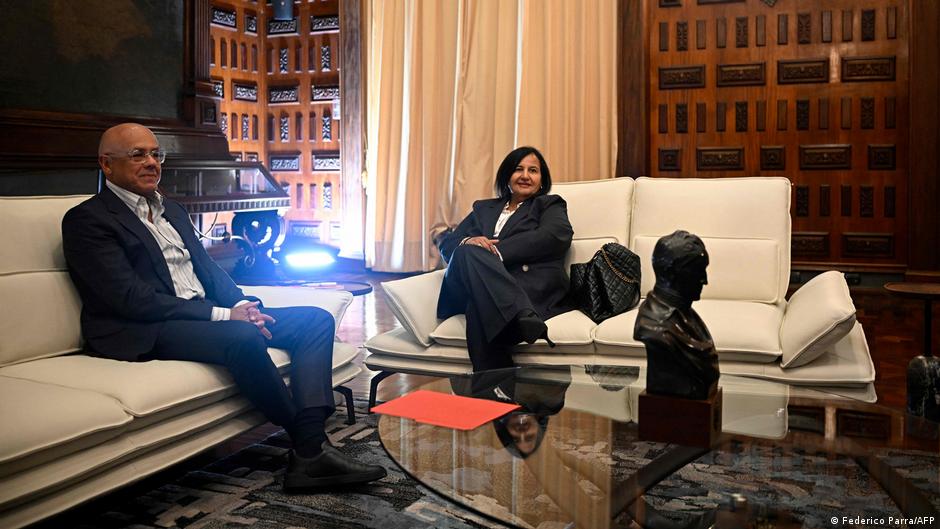
Venezuela is set to hold its first direct negotiations between government officials and opposition representatives in Caracas next week, marking a critical moment in the country’s ongoing political and economic crisis. The talks are expected to focus on humanitarian assistance following a recent earthquake and the roadmap for future electoral processes intended to restore democratic institutions.
Context and Historical Background
The announcement came from Jorge Rodríguez, chairman of Venezuela’s National Assembly and chief government negotiator. He confirmed that the opposition will be represented by Dinora Figuera, a key opposition figure who previously held the same position as Rodríguez. Figuera fled Venezuela in 2018 due to fears of political persecution and now leads a center-right opposition bloc that won the 2015 parliamentary elections. While the U.S. recognized her bloc’s victory, the Maduro government refused to acknowledge the results.
Since 2019, Nicolás Maduro’s presidency has been contested by opposition forces and international actors, creating a complex duality in Venezuela’s governance. Following a period when U.S.-backed opposition leader Juan Guaidó claimed interim presidency, Maduro’s government—temporarily led by Delcy Rodríguez after U.S. sanctions—has maintained control over state institutions and security forces.
Economic and Structural Implications
"These talks represent a tentative but significant step towards potentially stabilizing Venezuela’s fractured political landscape," said an independent analyst.
The negotiations come at a time when Venezuela faces severe socioeconomic challenges. Years of economic contraction, hyperinflation, and sanctions have decimated public services and infrastructure. The recent earthquake exacerbated humanitarian needs, making cooperation on disaster relief a pressing issue beyond political divisions.
From an economic perspective, the prospect of dialogue raises questions about the future of Venezuela’s economic policies, international aid, and potential reintegration into global markets. Democratic reforms and transparent electoral processes could also signal a shift toward more stable governance structures, which are essential for attracting investment and aiding economic recovery.
Democratic Prospects and Electoral Roadmap
The last presidential elections took place in 2024, with Maduro declared the winner amid widespread opposition claims of fraud. Opposition candidate Edmundo González Urrutia asserted he secured the majority of votes but was denied victory. This unresolved electoral legitimacy has contributed to Venezuela’s prolonged instability.
While these talks signal an opening for dialogue, notable opposition figures such as Nobel Peace Prize laureate María Corina Machado, a prominent ally of González currently living in exile, were not invited. Machado has pledged to return to Venezuela, but her exclusion highlights ongoing tensions within the opposition camp and between it and the government.
The discussions also enjoy tacit support from Washington, which has maintained sanctions on Venezuela but appears to endorse negotiation efforts aimed at restoring democratic norms. The outcome of these talks could set the stage for scheduled elections, reform of electoral institutions, and potential easing of sanctions, all pivotal for Venezuela’s economic stabilization and reintegration into the international community.
Ultimately, these negotiations are more than a political formality—they are a critical juncture in Venezuela’s attempt to navigate decades of polarized governance, economic collapse, and social hardship. The international community and Venezuelan citizens alike will be closely watching whether these talks can translate into substantive reforms and tangible improvements.