Zaporizhzhia Nuclear Plant Faces 23rd External Power Loss Amid Ongoing Conflict
Since the full-scale invasion began, Zaporizhzhia Nuclear Power Plant has repeatedly lost external power, raising concerns about nuclear safety and regional energy stability.
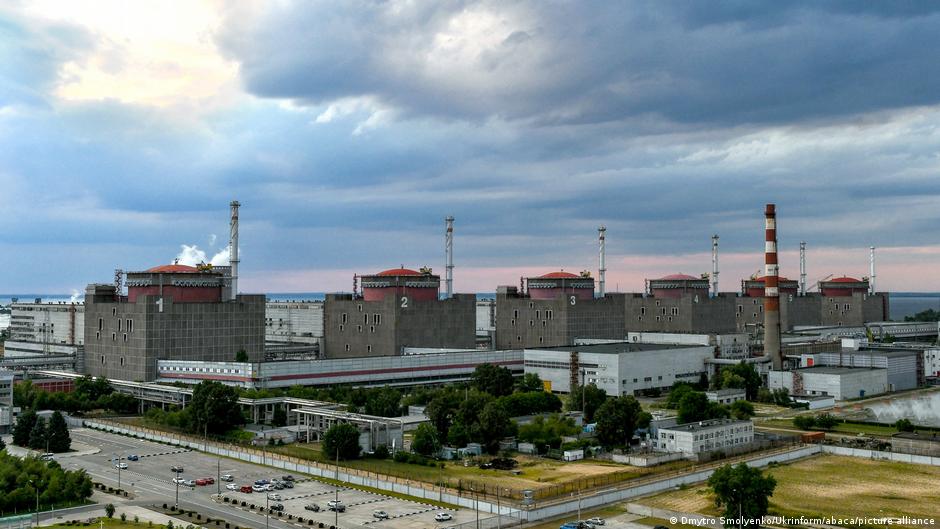
The Zaporizhzhia Nuclear Power Plant (ZNPP), the largest in Europe and currently under Russian control, has experienced its 23rd loss of external electrical supply since the outbreak of full-scale hostilities in Ukraine. According to the International Atomic Energy Agency (IAEA), this disruption forced the plant to rely on emergency diesel generators for nearly two hours to maintain critical safety systems.
Energy Security Amid Military Tensions
On August 1, IAEA Director General Rafael Grossi reported the latest incident involving the plant’s external power grid. While the precise cause of the outage remains undetermined, the interruption affected the last remaining external power line feeding the station. The backup generators provided electricity to vital cooling systems for the reactors and other safety-related facilities during this period.
In the days leading up to the outage, the IAEA noted increased military activity near the ZNPP site and the city of Enerhodar, home to a significant portion of the plant’s workforce. Additionally, the agency documented prolonged internet outages and water supply interruptions at the site, exacerbating risks to nuclear safety and operational stability.
Since April 2022, the Zaporizhzhia facility has been situated within territory occupied by Russian forces, complicating management and oversight. The plant’s status poses unique challenges given its scale, strategic importance, and the ongoing conflict dynamics.
Strategic Implications for Regional Energy Systems
Environmental analysts from Greenpeace Ukraine have examined satellite imagery revealing that Russian authorities continue constructing a high-voltage power line along the M18 highway corridor, linking Melitopol and Henichesk—both regions under Russian military control. This infrastructure project appears designed to integrate the ZNPP into the energy grid of annexed Ukrainian territories, including Crimea, as well as southern Russian regions.
Jan Vande Putte, a nuclear energy expert with Greenpeace Ukraine, highlights that the Russian state corporation Rosatom views the Zaporizhzhia plant as a more cost-effective alternative to building new reactors in Russia’s Rostov and Krasnodar regions. This approach could realign regional energy dependencies and influence power distribution across contested areas.
"Rosatom considers the Zaporizhzhia plant as a cheaper substitute compared to constructing new reactors within Russia’s southern districts," noted Vande Putte, underscoring strategic calculations underpinning the plant’s contested control.
However, the feasibility of fully integrating ZNPP into Russian networks has encountered setbacks. Earlier in July 2026, a series of drone strikes by Ukrainian forces targeted a key substation in Henichesk, temporarily disrupting Russian plans to connect the plant to their electrical grid.
Long-term Economic and Safety Consequences
The recurring power outages at the Zaporizhzhia plant underscore the fragility of critical infrastructure during armed conflicts. The reliance on emergency diesel generators, while vital for immediate safety, is not sustainable over extended periods and increases operational risks. Interruptions to internet and water supplies further complicate plant management and safety assurance.
From an economic perspective, the uncertainty surrounding the plant’s power supply threatens both Ukraine’s energy security and the broader regional market. The potential realignment of Zaporizhzhia’s output towards Russian-controlled territories could alter energy trade patterns, generate geopolitical leverage, and influence reconstruction priorities post-conflict.
Historical parallels can be drawn with other nuclear facilities affected by warfare, where infrastructure vulnerabilities have precipitated crises with far-reaching human and economic costs. The Zaporizhzhia scenario exemplifies the intersection of military strategy and energy economics, highlighting the need for international safeguards and transparent oversight in nuclear asset management under conflict conditions.
As the conflict persists, monitoring the operational status of the Zaporizhzhia plant remains critical for assessing nuclear safety risks and anticipating shifts in regional energy dynamics. The evolving situation calls for heightened diplomatic engagement and technical cooperation to prevent escalation and safeguard civilian populations.