EU Extends Ukraine Training Mission, Earmarks Nearly €300 Million
The two-year extension signals a shift from emergency military assistance toward a longer-term European security commitment.
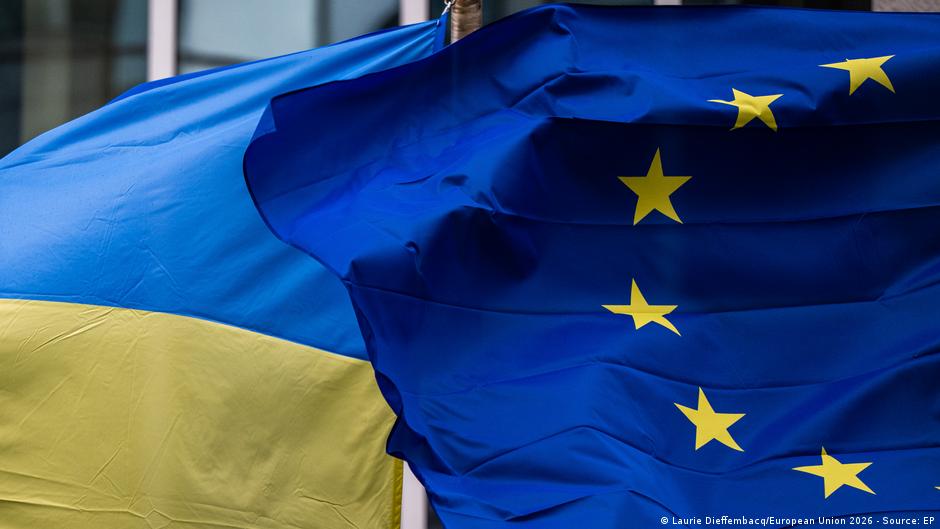
The European Union has extended its military training mission for Ukraine by another two years, committing nearly €300 million to sustain the program through Nov. 15, 2028. The decision gives the European Union Military Assistance Mission in support of Ukraine, known as EUMAM, a longer planning horizon as European governments seek to reinforce Ukraine’s defense capacity and prepare for the conflict’s enduring security consequences.
The EU Council announced the extension on Monday, Nov. 9. It also approved the creation of an EUMAM representation in Ukraine, intended to improve coordination with Ukrainian authorities and the country’s armed forces. Since its establishment in October 2022, the mission has trained more than 100,000 Ukrainian military personnel on the territory of EU member states, responding to requests from Kyiv.
The new mandate will broaden the mission’s scope, with greater emphasis on incorporating lessons from battlefield experience into military instruction. EUMAM will also continue coordinating with partners outside the European Union, including the United States, the United Kingdom, Canada and Norway, as well as NATO and the international “Coalition of the Willing.”
The extension transforms EUMAM from a time-limited response into a more durable component of Europe’s defense architecture.
From Emergency Aid to Institutional Capacity
EUMAM was created to strengthen Ukraine’s military capabilities so that it could defend its territorial integrity, sovereignty and civilian population against Russia’s armed aggression. Its original design reflected the immediate demands of war: training large numbers of personnel and helping Ukraine absorb equipment and military practices supplied by a diverse group of partners.
The latest extension points toward a more structural phase. Training programs create value differently from direct weapons transfers. Arms and ammunition provide immediate battlefield capability, while instruction can raise the effectiveness, adaptability and organizational resilience of the armed forces over a longer period. By placing greater weight on lessons learned in combat, the EU is seeking to shorten the cycle between battlefield experience, doctrine and training.
The planned representation in Ukraine could also reduce coordination costs. A local presence should allow the mission to align its programs more closely with changing Ukrainian requirements, although much of the training will continue to depend on facilities and resources provided by participating countries. Economically, closer coordination matters because fragmented procurement and overlapping training initiatives can dilute the effect of public spending.
A Broader European Financing Framework
The nearly €300 million budget for the next two years sits within a much larger European financial commitment to Ukraine. At the end of September, EU foreign policy chief Kaja Kallas said member states had agreed to unlock €6.6 billion from the European Peace Facility after funding had been vetoed by Hungary since 2023.
Of that amount, €4.7 billion is intended to reimburse EU countries for weapons and ammunition already supplied to Ukraine. Another €1 billion will finance joint purchases of new weapons, while €900 million has been assigned to EUMAM. These allocations illustrate the different economic channels through which European defense support operates: compensation for past national spending, collective procurement for future needs and investment in military skills and institutions.
On Nov. 5, the European Commission also transferred €4.36 billion to Kyiv under the Ukraine Support Loan program, including €658 million allocated for Ukraine’s defense needs. Taken together, these measures show that military assistance is becoming increasingly embedded in multi-year EU financing structures rather than being handled solely through isolated national packages.
That transition carries fiscal and industrial implications. Reimbursement mechanisms can ease pressure on national defense budgets, while joint procurement can aggregate demand and potentially improve production planning. Training expenditure, meanwhile, supports a less visible form of military capital: personnel capable of operating equipment, coordinating units and adapting to evolving conditions.
Planning Beyond the War
The EUMAM decision coincides with wider preparations for Ukraine’s long-term security. On Nov. 9, the first joint military exercises of the “Coalition of the Willing” began in Poland under French and British leadership. Around 2,800 personnel from 11 countries, including Germany, are participating. The exercises, scheduled to continue until Nov. 22, are intended to test mechanisms for ensuring Ukraine’s long-term security after the war ends.
This forward planning is economically significant because security expectations shape investment, reconstruction and labor-market decisions. A credible long-term defense framework can influence the perceived risks attached to rebuilding infrastructure and productive capacity. Conversely, uncertainty over future protection can raise financing costs and discourage private capital, even when reconstruction funds are available.
Historical European security arrangements have often depended not only on formal commitments but also on interoperability, logistics and the ability to mobilize trained personnel. EUMAM addresses that practical layer. Its cooperation with NATO, non-EU partners and the coalition also reflects an effort to prevent parallel initiatives from becoming disconnected.
The extension does not by itself determine Ukraine’s future security settlement. It does, however, establish that the EU expects military training and defense coordination to remain necessary through at least late 2028. The nearly €300 million allocation is therefore best understood not simply as mission funding, but as part of Europe’s gradual shift toward sustained spending on Ukraine’s military capacity and the continent’s postwar security order.