EU Faces Internal Divisions Over Entry Ban on Russian Combatants Amid Sanctions Debate
Italy and France express concerns that banning Russian war participants from the EU could lead to broader restrictions on all Russian nationals.
As the European Union prepares to finalize its 21st sanctions package against Russia, internal disagreements have surfaced regarding a proposed entry ban targeting Russian individuals involved in the ongoing war against Ukraine. While the measure aims to increase pressure on Moscow and push toward negotiations, key EU members Italy and France have voiced reservations about its practical implementation and broader repercussions.
Concerns Over Practical Enforcement and Potential Overreach
The European Commission's proposal includes a ban on entry into EU territory for all Russian nationals who have served in the Russian armed forces since the full-scale invasion of Ukraine began. This move is part of a wider set of restrictive measures intended to curtail Russia’s war capabilities by limiting diplomatic, economic, and personnel engagement.
However, sources close to EU discussions reveal that both Paris and Rome harbor doubts about the feasibility of distinguishing combatants from non-combatants among Russian citizens. The responsibility to verify who participated in hostilities would fall to individual EU member states, complicating enforcement and raising fears of indiscriminate application.
“Italy and France worry that the ban could inadvertently lead to entry refusals for all Russians, not just combatants, due to difficulties in identification and verification,” a source familiar with the negotiations explained.
This concern underscores a broader challenge inherent in sanctions regimes: the balance between targeted penalties and unintended collateral effects on innocent civilians. Should a blanket ban be applied, it risks further straining EU-Russia relations and complicating humanitarian, cultural, and diplomatic exchanges.
Strategic Context and Economic Dimensions
The entry ban on Russian combatants is designed to be a political lever, signaling that Europe remains closed to those directly involved in aggression against Ukraine. It aligns with other sectors targeted in the sanctions package, such as energy, finance, trade, and for the first time, fisheries.
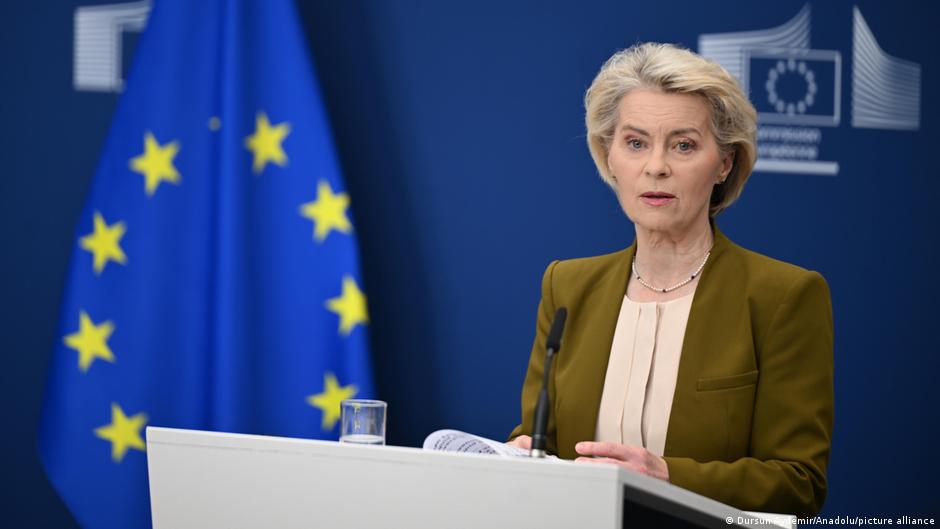
EU Commission President Ursula von der Leyen emphasized the comprehensive nature of the 21st sanctions package when presenting it on June 9. She stated, "Europe remains closed to all who participated in the invasion of Ukraine," highlighting the EU’s intention to tighten restrictions and close existing loopholes that enable Russia to sustain its military campaign.
Yet, the sanctions come at a time when the EU also faces practical challenges on other fronts. Observers note that enforcing the price cap on Russian oil amid fluctuating global energy markets remains problematic. The economic implications of these sanctions ripple beyond immediate political goals, influencing energy security and market stability within Europe.
Historical Parallels and Structural Economic Implications
The EU’s dilemma over the entry ban reflects broader historical patterns where sanctions aimed at isolating state actors inadvertently impact wider populations. Similar tensions arose in previous sanctions episodes, such as those imposed on Iran and North Korea, where delineating between regime affiliates and private citizens proved complex.
Structurally, sustained sanctions targeting Russia’s military personnel and economic sectors could accelerate shifts in global trade patterns, energy sourcing, and financial flows. EU member states’ divergent positions also reveal underlying fractures in collective policymaking, potentially influencing the cohesion of future unified responses.
As the EU contemplates the final approval of the 21st sanctions package on June 26, these debates underscore the intricate balance between strategic objectives and practical enforcement challenges. The outcome will shape not only the EU’s approach to Russia but also its broader stance on sanction efficacy and international economic governance.