Russia Closes Romanian Consulate in St. Petersburg Amid Diplomatic Fallout
Moscow expels Romanian acting consul in response to Bucharest shutting down Russian consulate in Constanta after drone incident
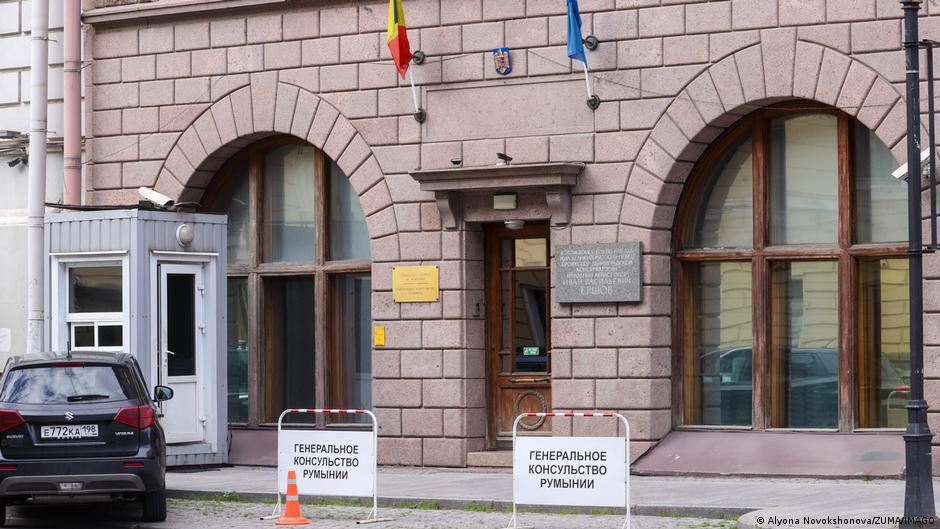
Russia has announced the closure of the Romanian consulate in Saint Petersburg and declared the acting Romanian consul, Laurentiu Constantiniu, persona non grata. This move was officially communicated to Romania's ambassador to Russia, Cristian Istrate, on June 25. Moscow framed the closure as a reciprocal measure following Bucharest's recent decision to withdraw consent for the Russian General Consulate in Constanta, Romania, and the expulsion of its head.
Context and Background of Diplomatic Retaliation
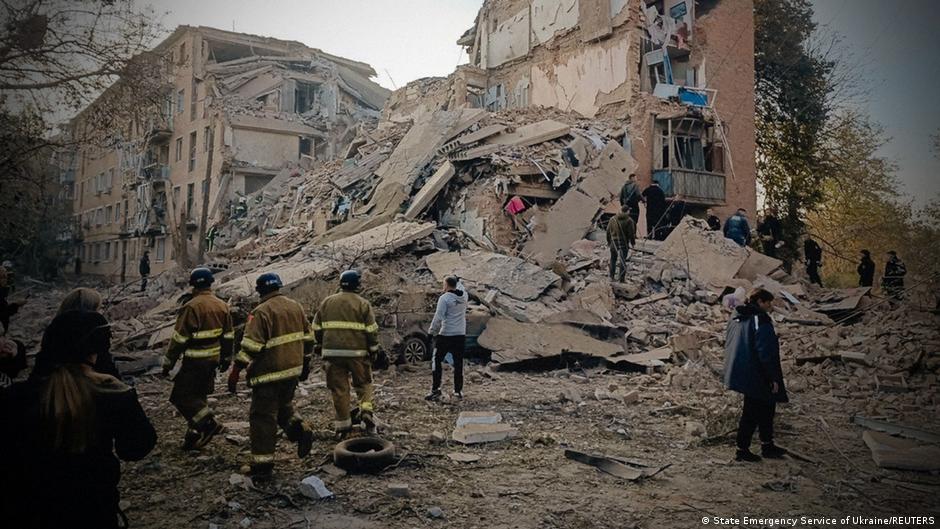
The diplomatic tit-for-tat emerged after a serious security incident on May 29 in the Romanian city of Galati, located near the Black Sea coast. A drone, identified by Romania's Ministry of Defense as Russian, crashed on the roof of a residential apartment building, causing injuries to a 14-year-old boy and a 53-year-old woman, and igniting a fire on the 10th floor of the building. Emergency services managed to extinguish the fire and evacuate 70 residents; however, two individuals required hospitalization.
"This measure represents a response to the unjustified withdrawal of consent by Bucharest for the operation of the Russian General Consulate in Constanta and the declaration of its head as persona non grata," said the Russian Foreign Ministry.
Romania characterized the drone incident as a violation of international law and subsequently requested NATO to bolster its air defense capabilities within Romanian territory. Reuters highlighted that this was the first instance where a drone linked to the Russia-Ukraine conflict caused damage and casualties within a NATO member state.
In late May, Romanian President Nicolae Ciucă ordered the closure of the Russian consulate in Constanta and declared the Russian consul persona non grata, escalating tensions between the two countries. Moscow’s retaliatory closure of the Romanian consulate in St. Petersburg and expulsion of its acting consul reflect a broader pattern of reciprocal diplomatic sanctions often seen in international crises.
Economic and Geopolitical Implications
This diplomatic escalation comes amid an already strained Russia-EU relationship, with Romania as a NATO member playing a key role in Eastern European security dynamics. The drone incident and subsequent consulate closures highlight how military conflicts can spill over into diplomatic and economic arenas, disrupting bilateral relations and potentially affecting trade and cooperation.
The loss of consular services is not merely symbolic: consulates facilitate business exchanges, tourism, and cultural ties. Their closure may impair economic relations at a time when both Russian and Romanian economies face multiple stressors, including sanctions, energy realignments, and regional security concerns.
Historical parallels can be drawn to Cold War-era diplomatic expulsions, which often signaled deeper political and economic fractures. In the current context, these moves may signal a protracted period of reduced bilateral engagement, complicating efforts to stabilize the broader Black Sea region economy and security environment.
Looking Ahead
As the Russia-Ukraine war continues to reshape geopolitical alignments, incidents like the Galati drone crash underline the risks of conflict spillover into NATO territories. Enhanced air defense deployments and reciprocal diplomatic measures underscore the fragile balance in Eastern Europe.
Given the strategic importance of both Russia and Romania in the Black Sea region, the closure of consulates exemplifies the intertwining of military actions with diplomatic and economic consequences. Analysts suggest that unless underlying tensions are addressed, further reciprocal sanctions and disruptions could ensue, deepening economic uncertainties on both sides.