EU Leaders Prepare for Potential Negotiations with Russia Amidst Ongoing Conflict
European Union heads discuss strategic approach to possible talks with Russia, weighing geopolitical and economic implications amid stalled peace efforts.
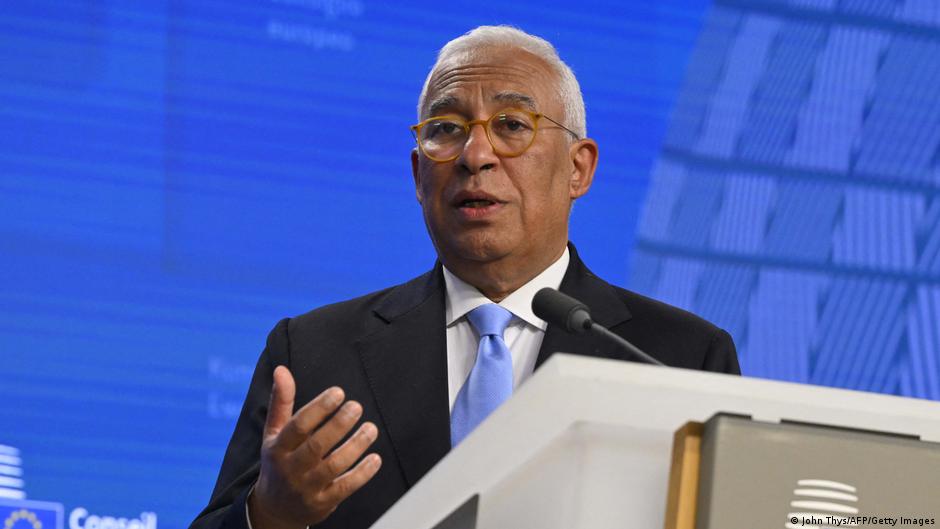
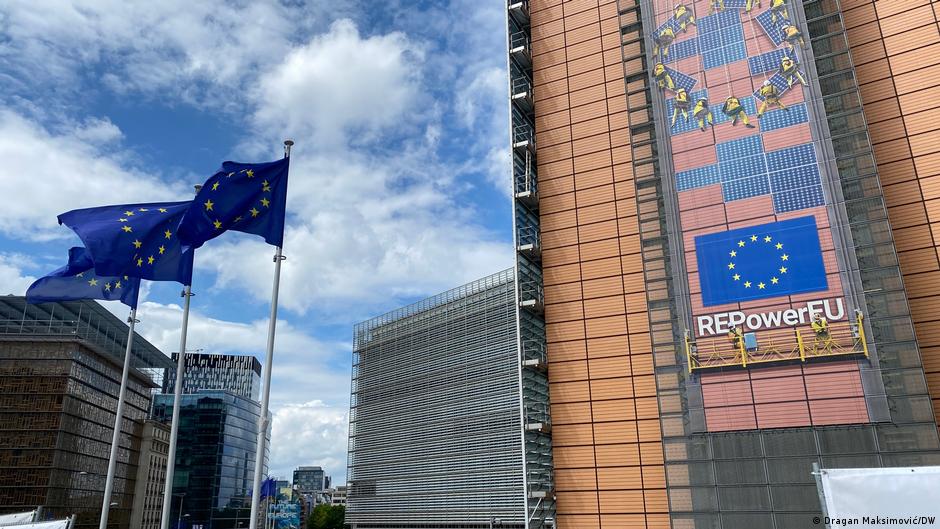
European Union leaders are actively preparing for the prospect of negotiations with Russia, signaling a cautious but pragmatic approach toward ending the protracted conflict involving Ukraine. António Costa, President of the European Council, revealed ongoing consultations with heads of state from all 27 EU member countries to determine the best framework and agenda for potential talks with Moscow.
Diplomatic Readiness Amid Uncertainty
Speaking at the European University Institute in Florence, Costa highlighted that while there is "potential" for meaningful dialogue with Russian President Vladimir Putin, there are currently no clear indicators of Moscow's willingness to engage in substantive negotiations. This underscores a complex diplomatic impasse that has persisted despite several overtures from European and international actors.
"There is potential for negotiations with Putin, but so far no sign of Russia’s readiness to participate effectively in serious discussions," António Costa stated.
In parallel, the EU has expressed its intent not to obstruct ongoing negotiations spearheaded by the United States, emphasizing a coordinated Western approach. This coordination remains critical as geopolitical dynamics continue to evolve, particularly with new conflicts emerging in other regions such as the Middle East.
Historical Context and Recent Attempts
The last significant dialogue between Europe and Russia occurred in early February 2026, when advisors to French President Emmanuel Bonn and Bertrand Buchwalter visited Moscow to explore the EU's potential role in peace negotiations for Ukraine. These overtures were reportedly rejected by Kremlin officials, who conveyed a conditional openness to dialogue dependent on reciprocal readiness from the West.
Further complicating the diplomatic landscape, reports surfaced in March of confrontational language used by Putin’s aide Yuri Ushakov during talks with French representatives, reflecting entrenched mistrust. Kremlin spokesperson Dmitry Peskov also noted the lack of positive signals from French initiatives, underscoring Moscow's current stance.
Impact of Broader Geopolitical Crises
External conflicts have also influenced the trajectory of negotiations. The outbreak of hostilities between the United States, Israel, and Iran has forced U.S. special envoy Steven Witkoff and former peace negotiators, including Jared Kushner, to shift focus toward the Middle East. This diversion has delayed previously planned trilateral talks involving Russia, the U.S., and Ukraine.
Despite these setbacks, Ukrainian officials remain cautiously optimistic. Kirill Budanov, head of Ukraine’s presidential office negotiation team, has indicated that Moscow and Kyiv are moving closer to a peace agreement. He noted that while both sides have maintained maximalist positions during talks, a pragmatic compromise may soon emerge to resolve the conflict.
Economic and Structural Consequences
The prolonged conflict and stalled negotiations carry profound economic ramifications, not only for Ukraine and Russia but for the entire European continent. Sanctions, disrupted trade routes, and uncertainty in energy supplies have already reshaped economic policies and integration strategies within the EU. Potential negotiations could pave the way for de-escalation, enabling economic stabilization and rebuilding efforts, but only if grounded in credible commitments.
Moreover, the EU's preparation for potential talks reflects a recognition of the necessity to balance strategic interests—maintaining sanctions pressure while keeping diplomatic channels open. The outcome of these deliberations will significantly influence Europe's economic landscape, energy security, and geopolitical alignment for years to come.