Uzbekistan Bank Deposits Surge 30% in Early 2026, Octobank Leads Growth
Uzbek banks' deposit portfolios expanded significantly in Q1 2026, reflecting rising confidence and liquidity in the economy.
In the first quarter of 2026, Uzbekistan's banking sector experienced notable growth in deposit volumes, with all banks except Oriyent Finans Bank reporting increases. Overall, total deposits surged by 30.88% compared to the same period in 2025, climbing from 324.1 trillion Uzbek soums to 424.2 trillion soums.
This trend highlights strengthening trust among individuals and businesses in the banking system, alongside an increase in liquidity within the national economy.
Leading Banks and Sectoral Shifts
Maintaining its leadership, the National Bank of Uzbekistan saw its deposit portfolio grow from 38 trillion soums to 53.4 trillion soums. Kapitalbank remained second with deposits totaling 44.9 trillion soums. Notably, Agrobank advanced from sixth to third place, expanding its deposits from 21.5 trillion soums to 34.9 trillion soums.
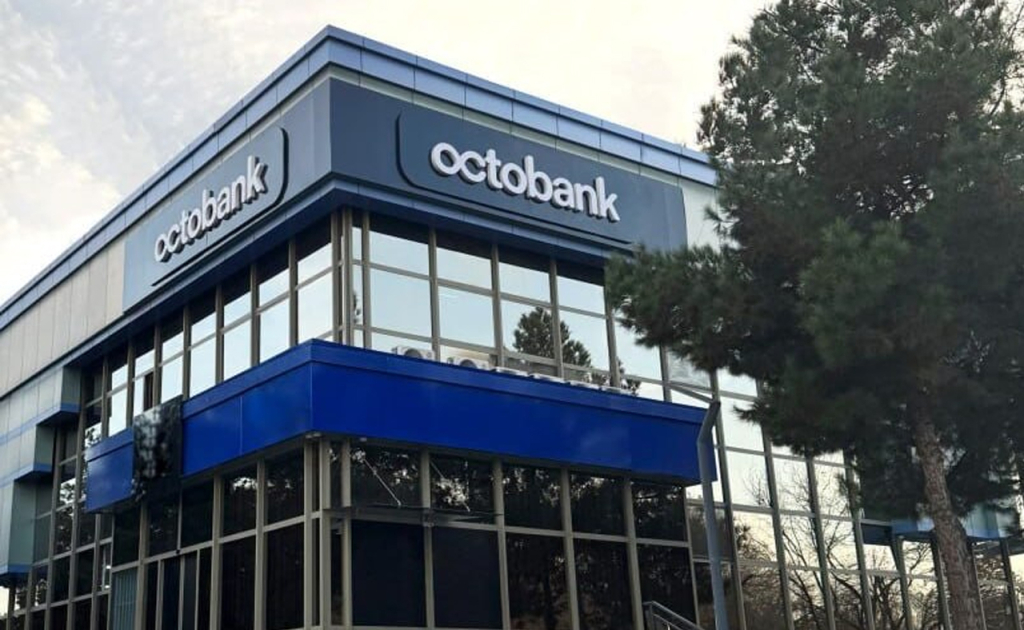
However, the most remarkable growth was recorded by Octobank, whose deposit portfolio surged an extraordinary 416% year-on-year to reach 13.9 trillion soums. This rapid growth enabled Octobank to jump from 22nd to 12th place by deposit size.
"Octobank's deposit growth was primarily driven by corporate deposits, which increased from 2 trillion soums to 13.4 trillion soums within a year."
The significant increase in Octobank's corporate deposits underscores a shifting dynamic in business banking, where firms are placing greater trust and funds in emerging banks.
In absolute terms, the largest deposit increases were seen at the National Bank (+15.4 trillion soums) and Agrobank (+13.3 trillion soums), followed by Octobank.
Digital banking innovations also played a role, as Uzum Bank expanded its deposits from 72.7 billion soums to 1.2 trillion soums, illustrating the impact of digital ecosystems on attracting retail and business funds.
Other banks such as Avo Bank, Garant Bank, Hayot Bank, and Apex Bank also posted substantial deposit growth compared to the prior year.
In contrast, Oriyent Finans Bank was the only institution to experience a deposit decline, with a 9.6% drop amounting to nearly 1.1 trillion soums.
Economic and Structural Implications
The strong deposit growth signals not only increased liquidity but also a broader economic confidence post-pandemic and amidst continuing reforms. The surge in corporate deposits at Octobank and others suggests an evolving corporate banking landscape, potentially driven by improvements in service offerings, digital banking capabilities, and competitive interest rates.
Historically, periods of rapid deposit expansion in Uzbekistan have corresponded with phases of economic liberalization and infrastructural improvements in the banking sector. This latest growth phase may accelerate the banking system’s capacity to finance private sector development and support Uzbekistan’s broader economic modernization agenda.
However, the decline at Oriyent Finans Bank serves as a reminder of ongoing challenges for some banks, possibly related to management, asset quality, or competitive pressures.
Overall, the 2026 deposit trends reflect structural shifts and highlight the importance of digital adaptation, corporate client engagement, and trust-building for banks seeking to enhance their role in Uzbekistan's dynamic economy.