US and Iran Near Agreement Amid Promising Negotiations, Signaling Potential Conflict Resolution
President Trump announces progress in US-Iran talks with a possible deal to end longstanding tensions over Iran's nuclear program.
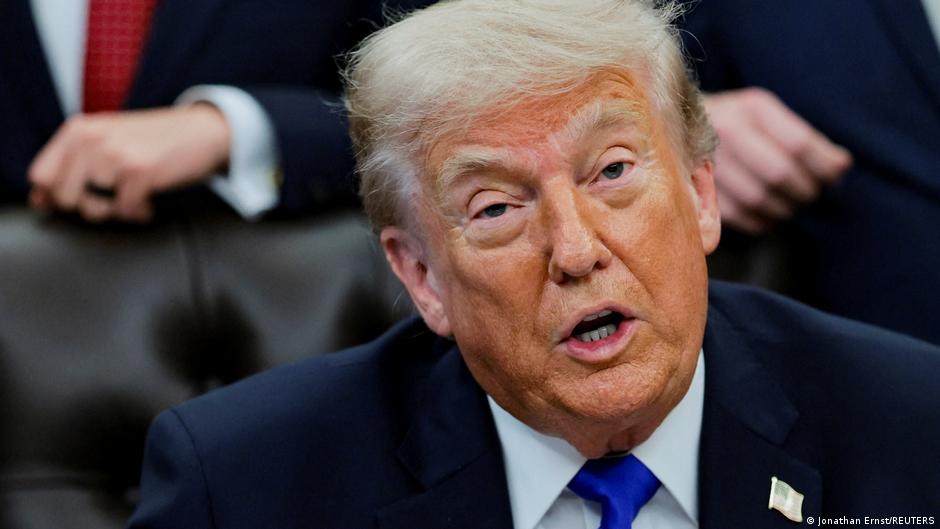
On May 6, 2020, US President Donald Trump declared that the United States has conducted "very good" negotiations with Iran, raising hopes for a near-term resolution to the prolonged conflict between the two nations. Speaking at a White House press conference, Trump indicated that both sides might soon reach an agreement that could end years of geopolitical tension and economic sanctions.
Progress in Talks and Historical Context
Trump stated that Iran has agreed to the US’s primary condition: abandoning its development of nuclear weapons. While Iranian officials had not yet commented on the announcement, sources close to the negotiations suggested that a "one-page memorandum of understanding" could be signed imminently to formalize the progress.
This memorandum would initiate a 30-day negotiation period focusing on key issues such as the security of the Strait of Hormuz, Iran's nuclear activities, and the lifting or continuation of US sanctions. The memorandum aims to establish a framework for further, more detailed agreements, potentially marking a significant shift in US-Iran relations.
Historically, US-Iran relations have been fraught since the 1979 Iranian Revolution, which led to the US embassy hostage crisis and decades of mutual hostility. Attempts at diplomacy, including the 2015 Joint Comprehensive Plan of Action (JCPOA), have faced challenges, especially following the US withdrawal from the deal in 2018 and the imposition of stringent sanctions.
"If we do not get what we want, we will have to take a bigger step, but they want to make a deal," Trump said, underscoring the delicate balance of negotiation and leverage at play.
Economic and Structural Implications
The potential agreement carries significant implications beyond immediate geopolitical stability. For Iran, lifting or easing US sanctions could unlock vital economic opportunities, particularly in oil exports and foreign investment, sectors severely hampered by current restrictions.
For the United States and global markets, reduced tensions in the strategically critical Strait of Hormuz could stabilize global energy prices and supply chains. The strait is a vital transit route for a large portion of the world’s petroleum, and past conflicts have led to price volatility and heightened risk premiums.
Furthermore, a successful negotiation may catalyze regional economic integration and foster new trade relations, potentially reducing the risk of future conflicts rooted in economic deprivation and isolation. However, the complexity of US-Iran relations and regional dynamics means that while the memorandum signals progress, the road to lasting peace and economic normalization remains uncertain.
Next Steps and Challenges Ahead
Iran is reportedly reviewing the US proposal and expected to respond through Pakistan, which acts as an intermediary in these talks. The involvement of third-party mediators highlights the diplomatic sensitivity and the need for careful, incremental progress.
Should the memorandum be signed, the subsequent 30-day negotiation window will be critical for addressing nuanced concerns, including verification mechanisms for Iran’s nuclear compliance and timelines for sanction relief. Both sides will need to reconcile deep-seated mistrust and domestic political pressures.
Ultimately, these developments represent a potential pivot point for US foreign policy and Middle Eastern stability, with far-reaching consequences for international economic relations and security frameworks.