US Delays EU Auto Tariff Increase to July 4 Amid Trade Agreement Dispute
President Trump postpones auto tariff hikes on EU imports pending compliance with 2025 trade deal terms.
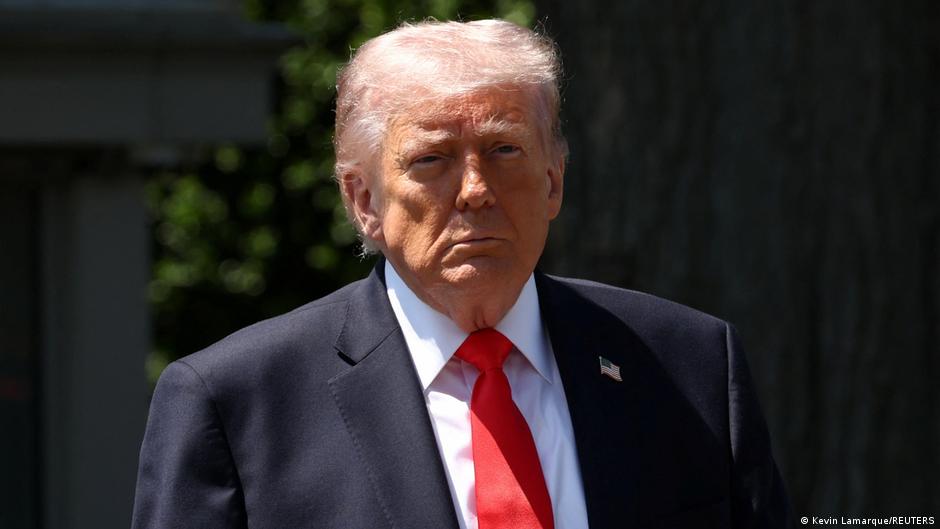
President Donald Trump has postponed the planned increase in tariffs on automobiles imported from the European Union (EU) until July 4. The decision follows what Trump described as a "wonderful phone conversation" with European Commission President Ursula von der Leyen, signaling a temporary easing of trade tensions between the two economic powers.
Background and Trade Agreement Details
The tariff dispute centers on a trade agreement signed in September 2025 between the United States and the EU, marking one of the most significant bilateral trade deals in history. Under the agreement, tariffs on European automotive exports to the US were scheduled to be retroactively reduced from 27.5% to 15%. In return, the EU agreed to eliminate tariffs on all American industrial goods and open its market more broadly to US products including seafood, dairy, pork, and soybean oil.
However, President Trump has asserted that the EU has failed to fulfill its commitments under the deal. In early May, Trump announced an impending tariff increase on EU passenger and commercial vehicles to 25%, citing non-compliance with the agreement. The EU’s response, voiced by von der Leyen, emphasized readiness to uphold the deal and expressed frustration at the US threats, stating: "A deal is a deal. The EU is prepared for all scenarios."
"I patiently waited for the EU to fulfill its part of the historic trade agreement, signed in Turnberry, Scotland—the largest trade deal in history!" said President Trump.
The deadline for compliance was symbolically set to coincide with the United States’ 250th anniversary, July 4, thereby linking the tariff escalation risk to a significant national milestone.
Economic and Structural Implications
This tariff dispute highlights the fragility and complexity of modern trade agreements, especially between major economic blocs with intertwined but competitive industries. The automotive sector is critical in both the US and EU economies, representing millions of jobs and substantial GDP contributions. Tariff hikes risk disrupting supply chains, increasing prices for consumers, and potentially triggering retaliatory measures.
Historically, US-EU trade relations have oscillated between cooperation and contention, with automotive tariffs frequently surfacing as a flashpoint. The 2025 agreement aimed to resolve longstanding issues by mutually lowering barriers. Yet, the current standoff underscores the challenges of enforcement and mutual trust in trade diplomacy.
Economists note that increasing tariffs could lead to higher production costs for manufacturers relying on cross-border components, thereby reducing competitiveness. Consumers on both sides may face higher prices, and industries reliant on automotive innovation could be hampered by reduced scale efficiencies.
The postponement until July 4 provides a window for negotiation and compliance verification, reflecting a strategic pause rather than a resolution. How both parties proceed will likely influence the tenor of transatlantic trade relations and the precedent for future trade agreements involving tariff commitments.
In conclusion, the US decision to delay tariff increases on EU automobiles is a tactical maneuver in a broader contest over trade compliance and enforcement. The outcome will have lasting effects on the structural economic relationship between the two economic giants, impacting global trade dynamics and industrial strategies.