Russia Launches Largest Ballistic Missile Strike on Kyiv with Significant Urban Damage
A major nighttime missile attack on Kyiv by Russian forces caused fires and casualties, highlighting escalating urban vulnerabilities in conflict zones.
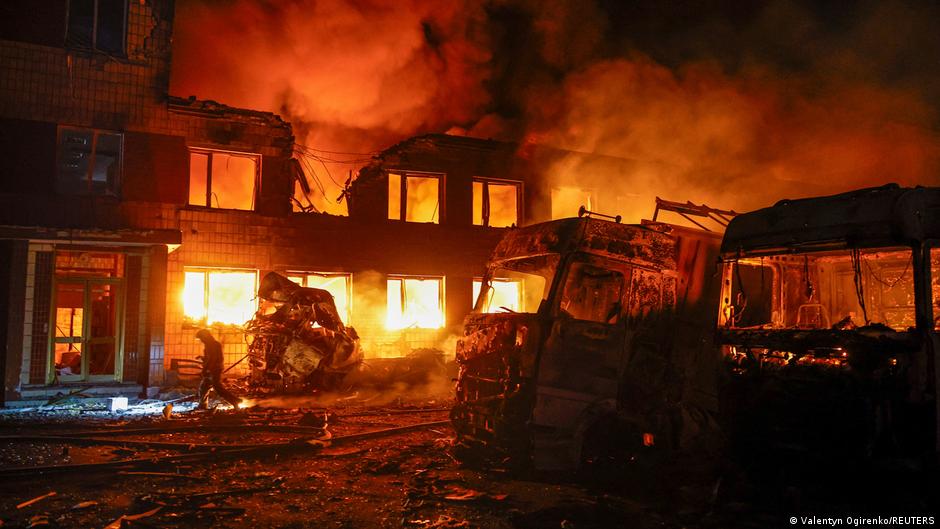
In the early hours of July 19, Russian military forces executed their most extensive ballistic missile attack on Kyiv to date. The strike resulted in widespread fires, structural damage, and civilian casualties, underscoring the evolving nature of urban warfare and its economic and social ramifications.
Scope and Impact of the Attack
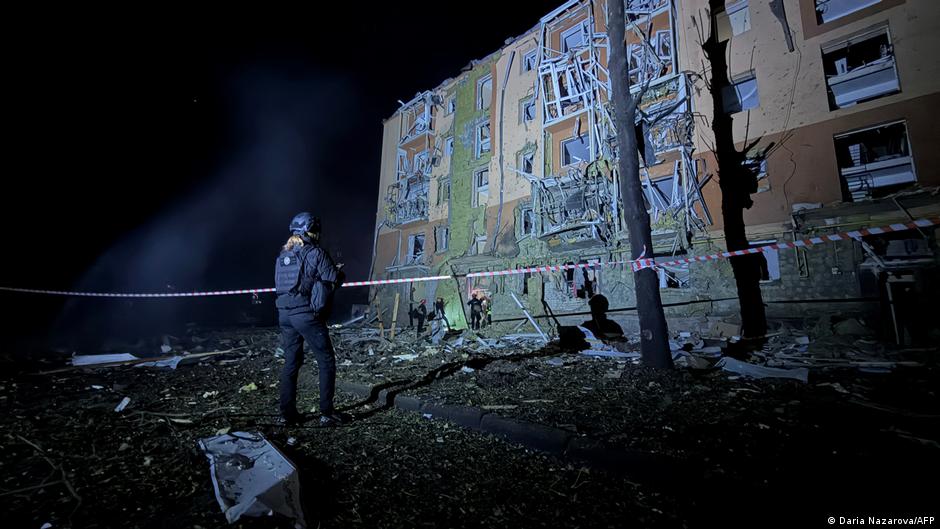
The missile barrage targeted multiple districts across Kyiv, causing fires in several key locations. In the Dniprovskyi district, smoke was reported near a shopping center, while debris ignited a residential dormitory. Meanwhile, in the Shevchenkivskyi district, a three-story annex to an administrative building caught fire. Over ten parked vehicles were damaged, and adjacent residential buildings suffered broken windows.
Further damage was noted in the Solomianskyi district, where missile fragments fell near a nine-story building, damaging windows and igniting fires on the roof of a supermarket and a neighboring residential house. Kyiv’s mayor, Vitali Klitschko, confirmed the extent of the damage and the ongoing emergency response.
"The scale and precision of the attack marks a new level in the targeting of Kyiv's urban infrastructure," said an analyst specializing in conflict economics.
The city's military administration reported eight individuals injured and one fatality due to the incident. These figures reflect not only the immediate human toll but also hint at deeper socioeconomic disruptions stemming from the destruction of commercial and residential infrastructure.
Economic and Structural Consequences
The missile strike's direct damage to commercial centers, residential buildings, and transportation infrastructure highlights the strategic objective to undermine urban economic stability. Supermarkets and retail centers constitute vital nodes in urban supply chains; damage to these disrupts food and goods distribution, affecting both local consumption and employment.
Damage to residential buildings precipitates displacement, increased demand for emergency housing, and long-term urban planning challenges. The destruction of vehicles further strains urban mobility, impeding daily economic activities and emergency response capabilities.
Historically, large-scale urban bombardments have catalyzed shifts in economic policy, resource allocation, and urban resilience strategies. The current strikes on Kyiv may prompt increased investment in civil defense infrastructure, diversified supply chains, and reconstruction efforts with broader implications for Ukraine's economic recovery trajectory.
Broader Context and Historical Parallels
Urban missile strikes as a tactic have precedents in various 20th and 21st-century conflicts, where the objective extends beyond military targets to inflict economic disruption and civilian demoralization. The Kyiv attack illustrates how modern warfare increasingly blurs the lines between combat zones and civilian spaces, raising concerns about long-term economic resilience and civilian protection.
This pattern echoes strategic bombing campaigns in past conflicts, where the destruction of urban infrastructure significantly altered economic landscapes. The current attack's scale and focus on commercial and residential infrastructure may foreshadow prolonged urban economic challenges, necessitating comprehensive recovery frameworks.
As Kyiv and Ukraine grapple with these immediate and structural consequences, international attention to urban conflict's economic dimensions becomes ever more critical.