Finland Summons Russian Ambassador Over IL-20 Aircraft Airspace Violation
Finland's Foreign Ministry demands explanations after Russian reconnaissance plane briefly entered Finnish airspace.
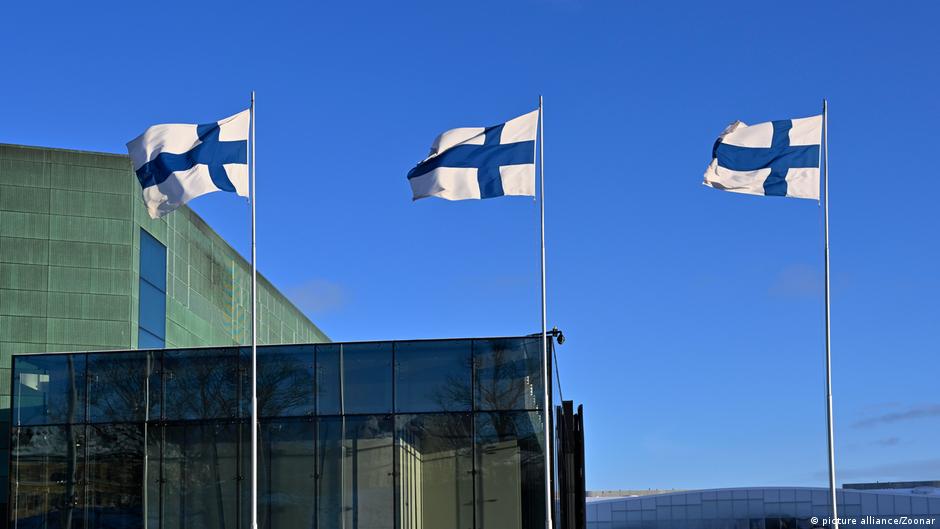
Finland's Ministry of Foreign Affairs has summoned the Russian Ambassador Pavel Kuznetsov to clarify an incident involving a Russian IL-20 reconnaissance aircraft that reportedly violated Finnish airspace for approximately three minutes. The incident occurred over the western part of the Gulf of Finland, according to the Finnish Border Guard.
Context and Regional Airspace Challenges
This diplomatic move reflects heightened tensions around Finland’s airspace security, especially following a series of incursions and near-incidents in the Baltic region. At the end of July, Finland’s Armed Forces closed a segment of airspace and restricted maritime traffic near the southern coast along the border with Russia. This security measure was a direct response to multiple instances where Ukrainian drones, targeting Russian military objectives, inadvertently entered the airspace of NATO countries including Finland, Estonia, and Latvia.
The episode involving the IL-20 aircraft highlights ongoing risks arising from overlapping military operations and airspace control in the Baltic Sea region, which is strategically significant for both Russia and NATO members. Finland's recent accession to NATO further complicates the geopolitical dynamics, as the country now operates under collective defense commitments.
"The brief violation of Finnish airspace by a Russian reconnaissance plane underscores the fragility of regional security arrangements amid escalating military activities in the Baltic Sea area," analysts note.
Historically, airspace infringements in this region have been flashpoints for diplomatic confrontations, reflecting broader clashes between Russian military assertiveness and NATO’s expanding influence. The Finnish government's quick diplomatic response aims to reaffirm sovereignty and uphold international norms governing national airspace.
From an economic and security perspective, the incident may influence Finland's defense spending and infrastructure investments, which have already been on the rise due to perceived threats from Russia. Increased military vigilance and air defense capabilities could also affect regional trade and maritime traffic through the Gulf of Finland, a critical maritime route for commerce between Russia and European markets.
As NATO’s presence grows in the Baltic region, incidents like these could contribute to a cycle of escalation, impacting not just security but also economic stability and cross-border cooperation. The Finnish call for explanations signals both a demand for transparency and a warning about the consequences of further violations.