US Envoys Seek Direct Russia-Europe Track in Ukraine Peace Talks
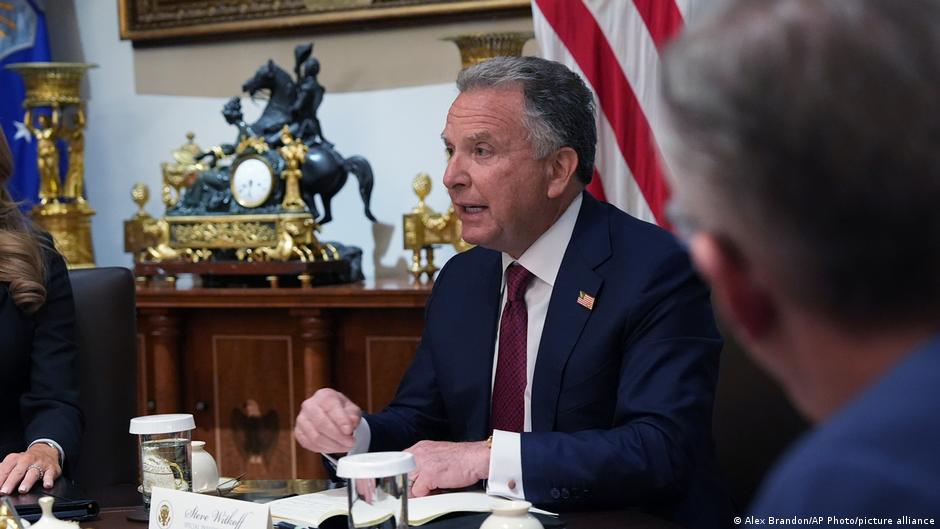
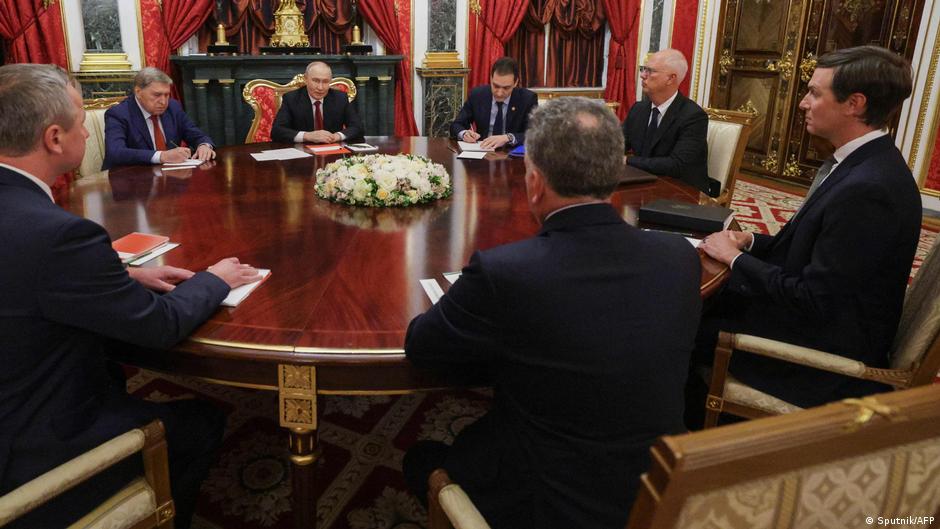
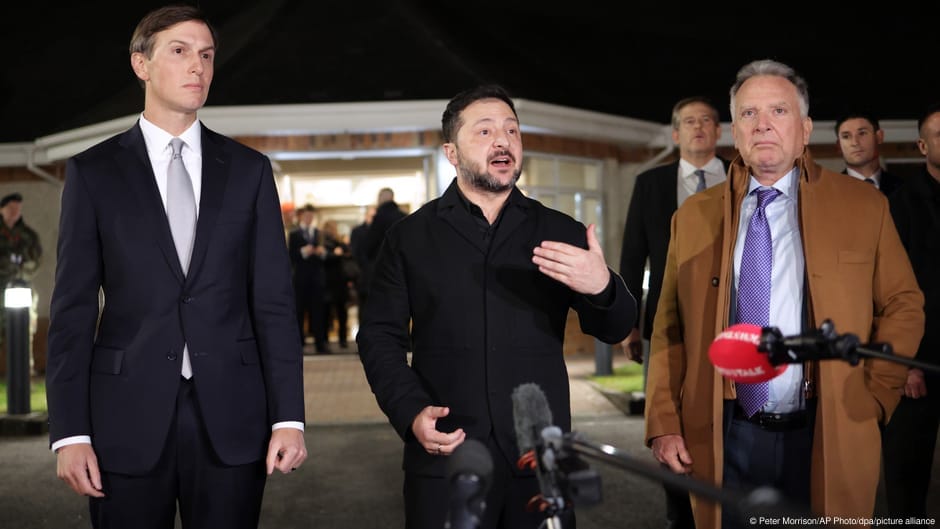
Washington is widening the Ukraine peace process to include Europe, linking any settlement to NATO, long-term security costs and economic credibility.

Washington is widening the Ukraine peace process to include Europe, linking any settlement to NATO, long-term security costs and economic credibility.

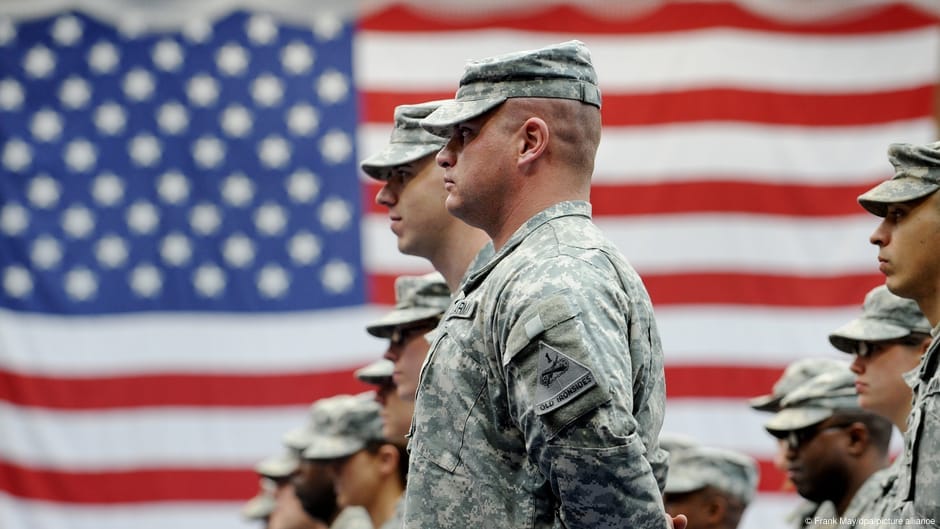
The Pentagon may withdraw about 5,000 troops from Europe, far fewer than expected, as allied defense spending and wider US logistical needs reshape its calculations.

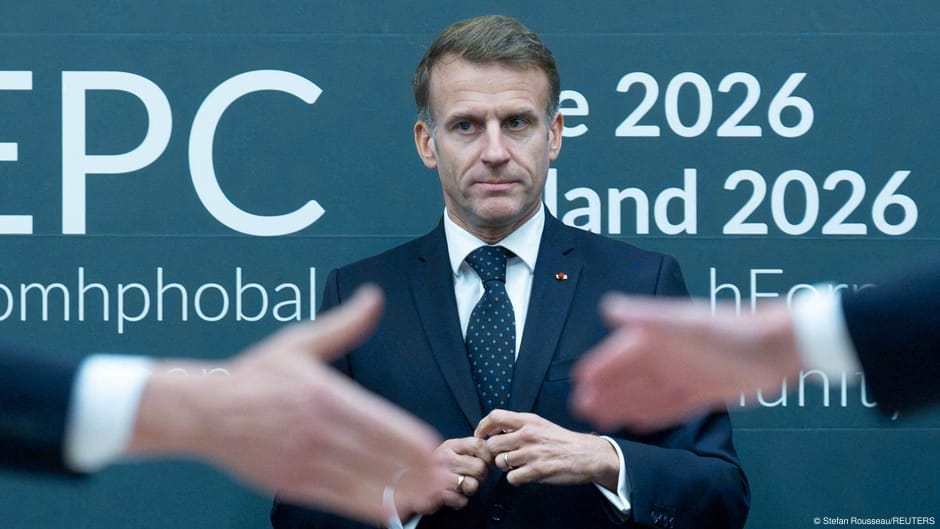
Macron says limiting aid to Ukraine risks greater long-term costs for Europe as Poland and Bulgaria cite deficits and defense pressures.

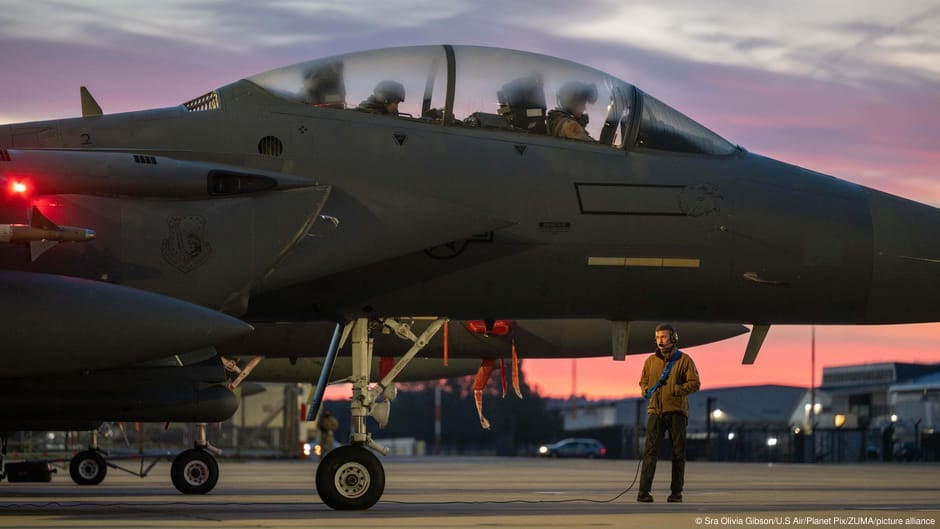
Suspected drone activity at RAF Lakenheath highlights the widening financial and operational burden of protecting strategic military infrastructure.

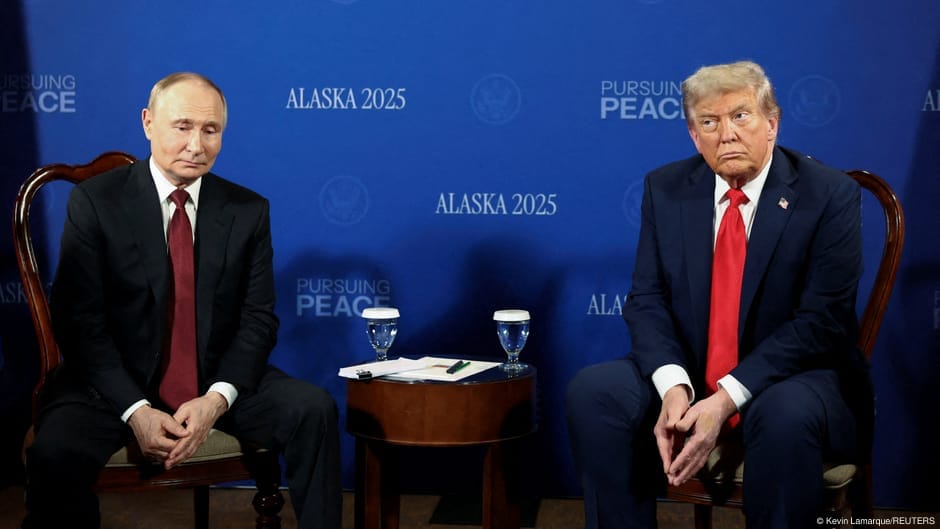
Trump, Putin and Xi are expected to open three-way nuclear arms talks at APEC, while Ukraine remains outside the planned Shenzhen agenda.

A nationwide FAA ground stop showed how aging aviation technology can transform a routine upgrade into a costly risk for the wider US economy.

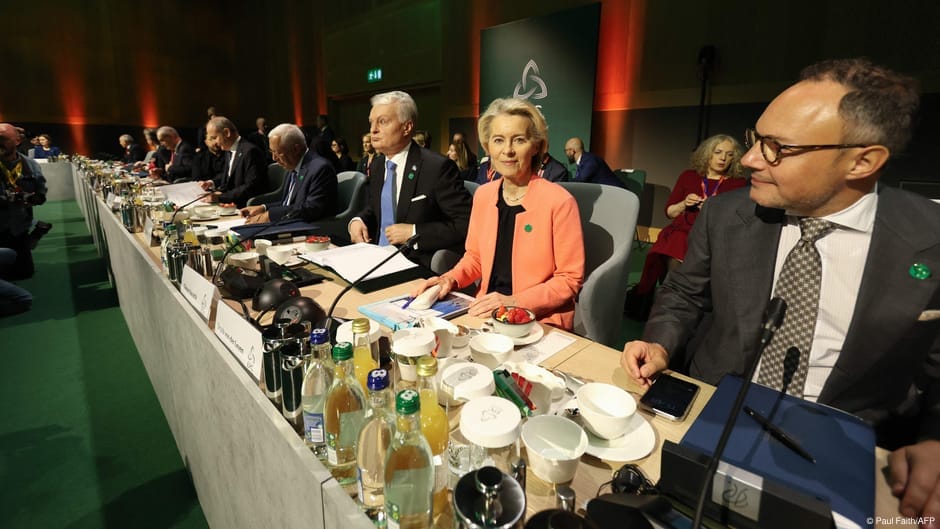
Nearly 40 European states have adopted a security charter that broadens cooperation and could reshape defense spending, fiscal priorities and transatlantic burden-sharing.

Moscow and Kyiv will include European partners in the next peace talks as mediators also prepare a potentially record prisoner exchange.

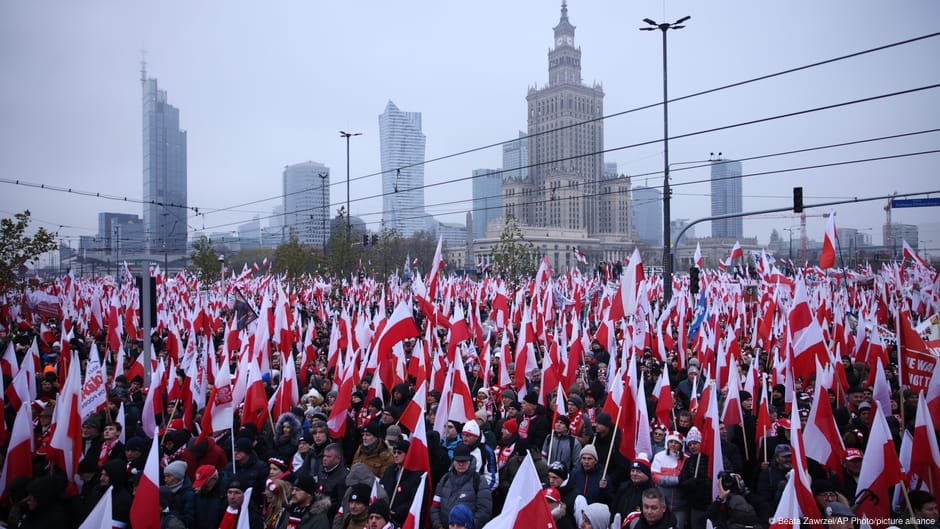
A 250,000-strong Warsaw march highlighted how nationalism and conflict over Poland’s Constitutional Tribunal could shape institutional and economic confidence.

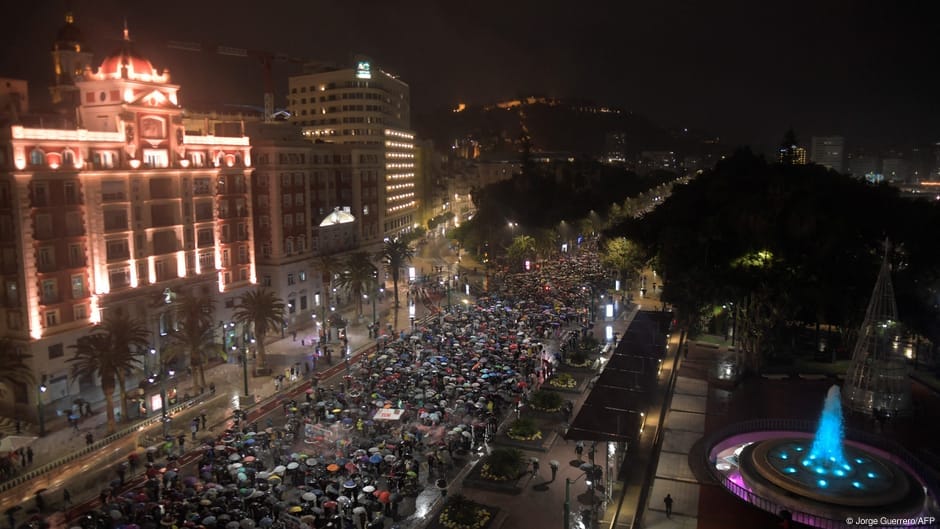
Spain’s first general strike in 14 years brought mass protests over housing costs, as a shortage estimated at 750,000 homes deepens economic and political pressures.

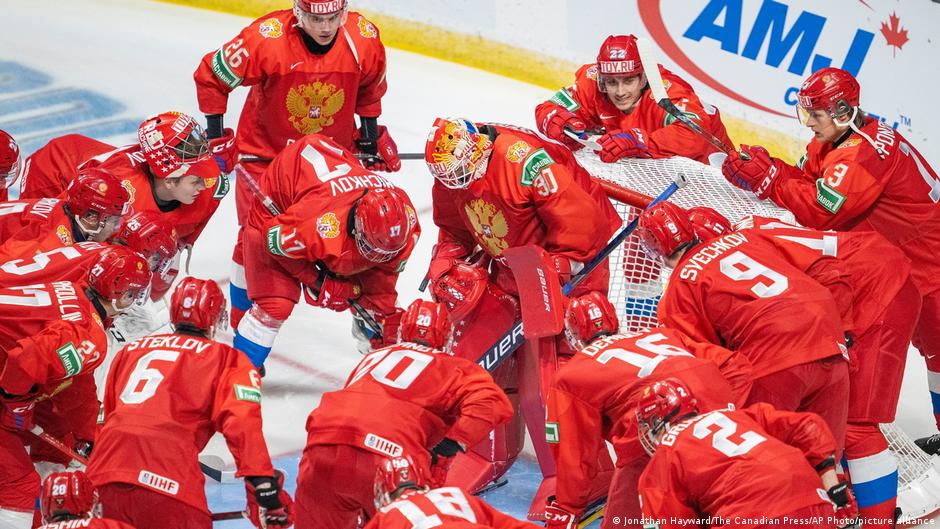
Canada will deny entry to Russian and Belarusian participants at the 2027 World Juniors, highlighting the limits of sports arbitration amid geopolitical sanctions.

Kyiv and Moscow discussed exchanging up to 3,000 prisoners as Abu Dhabi talks turned to territory, energy, Black Sea security and de-escalation.

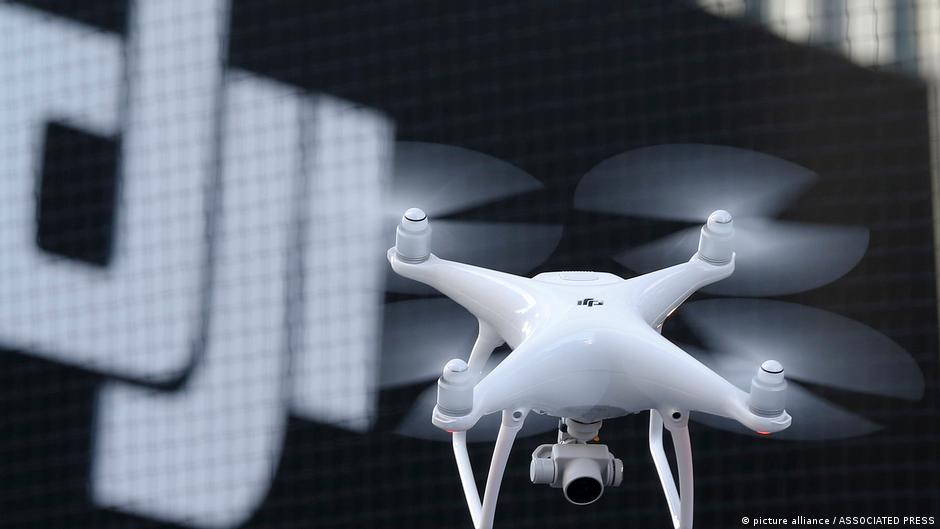
Germany’s military is excluding Chinese drones and cars from defence sites as connected technology turns supply-chain dependence into a security and economic risk.

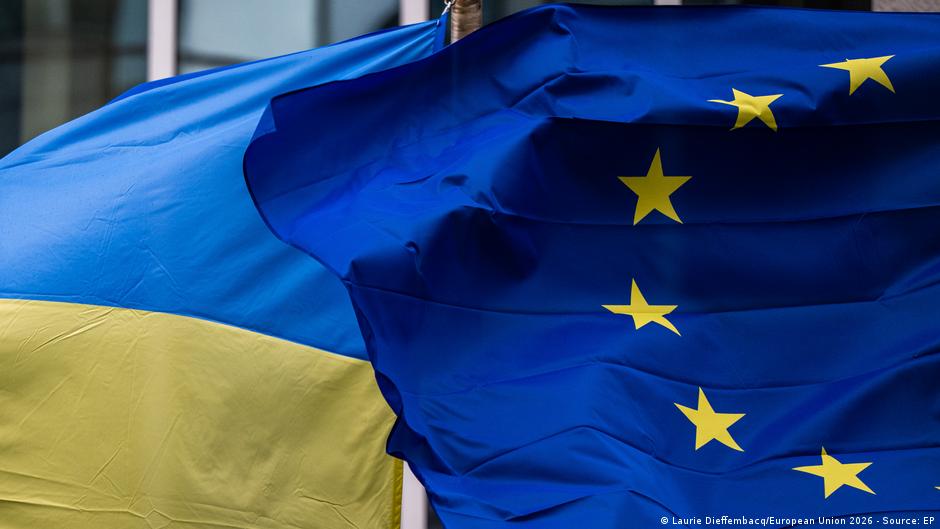
The EU has extended its Ukraine military training mission through 2028, embedding battlefield instruction in a broader, multi-year security and financing framework.

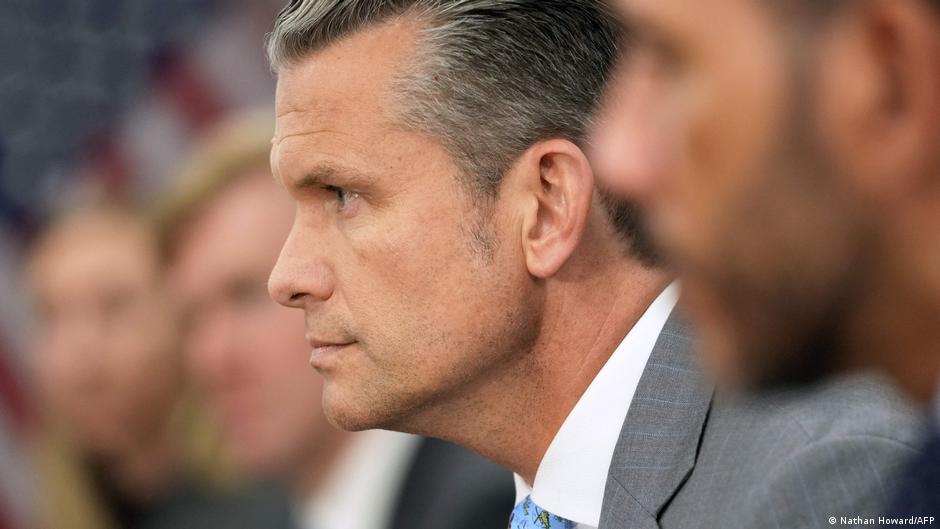
Thomas Massie’s impeachment resolution against Pete Hegseth turns the Iran war into a wider test of congressional authority, military spending and geopolitical risk.

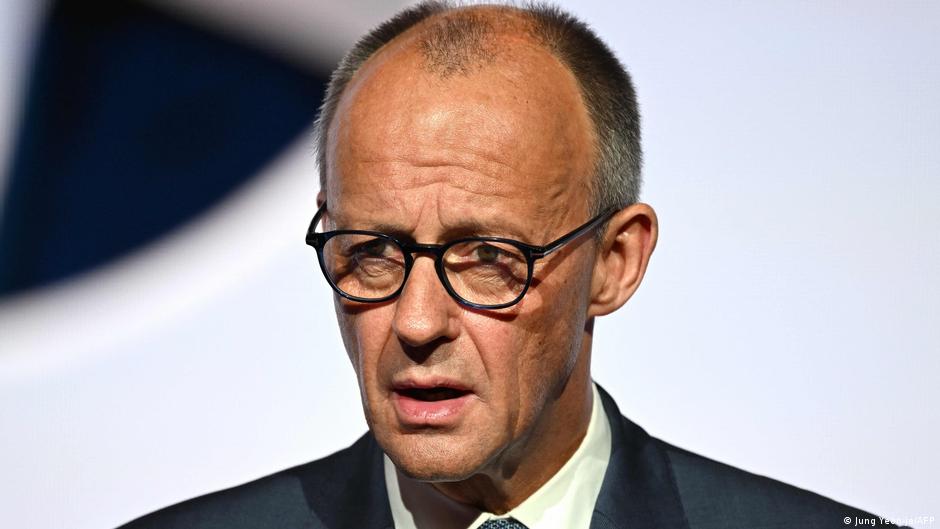
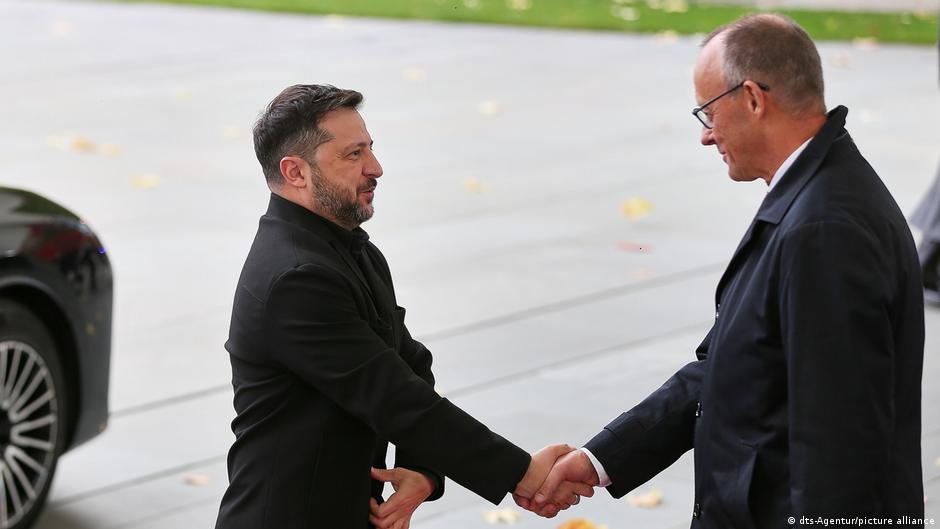
Friedrich Merz is linking agreement on Ukraine’s €45 billion EU funding gap to progress on other financial decisions and demanding broader burden-sharing.

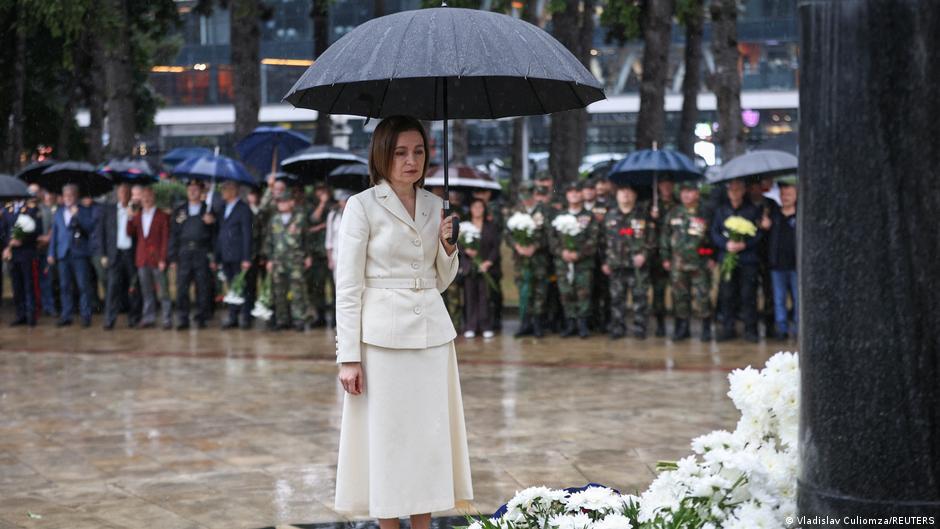
A new Romanian power link gives Moldova more supply options, reduces reliance on Transnistrian generation and supports its wider shift toward the EU.

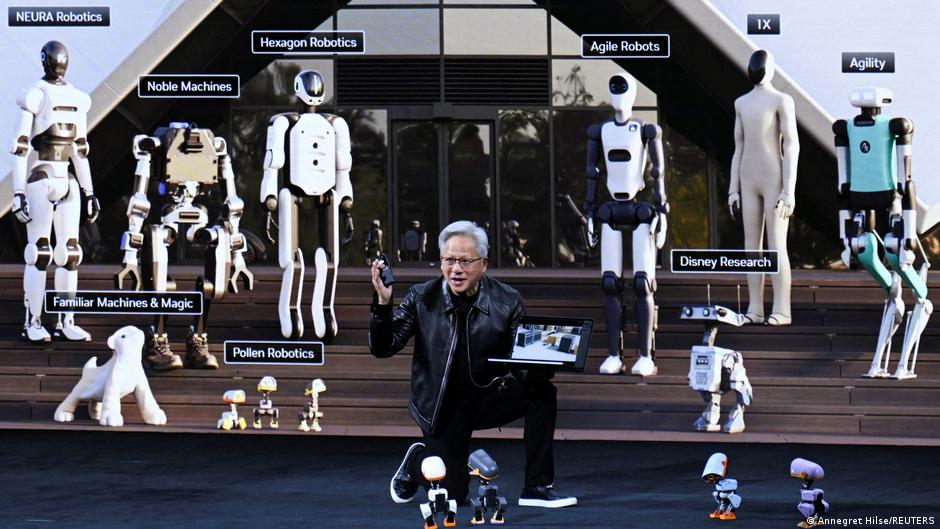
Nvidia’s investigation of CEO Jensen Huang places corporate governance at the center of the US-China contest over AI chips and strategic technology.

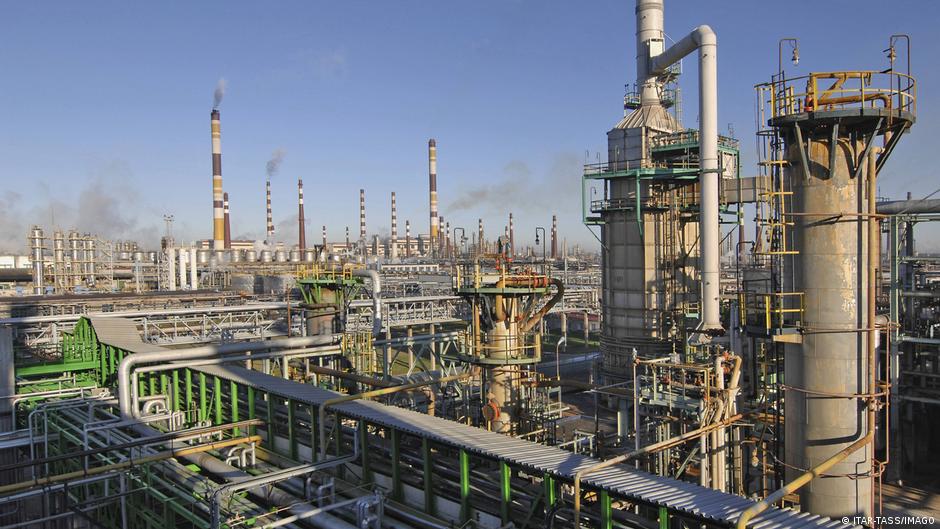
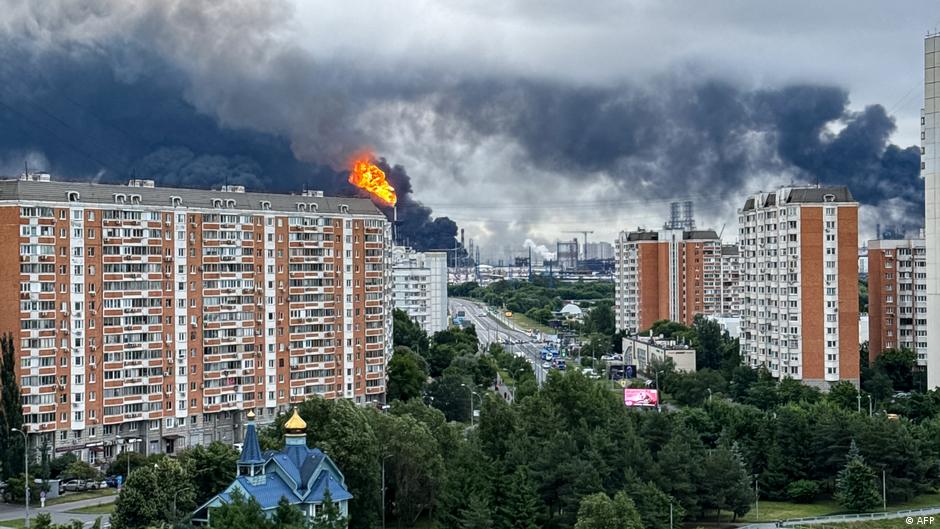
A drone strike on the Kirishi refinery exposes the economic risks surrounding a plant responsible for about 7% of Russia’s oil processing.

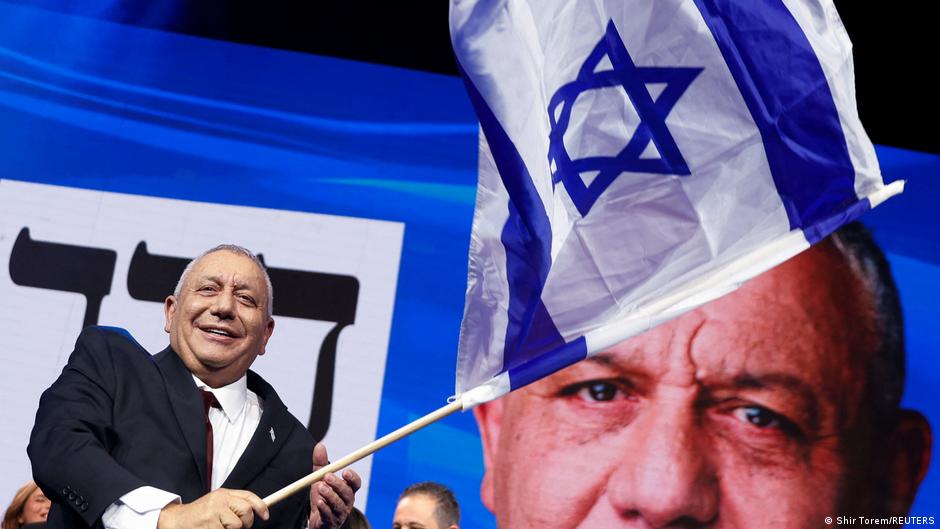
Gadi Eisenkot has 28 days to build a coalition, with Arab parties holding the balance amid political fragmentation and economic uncertainty.

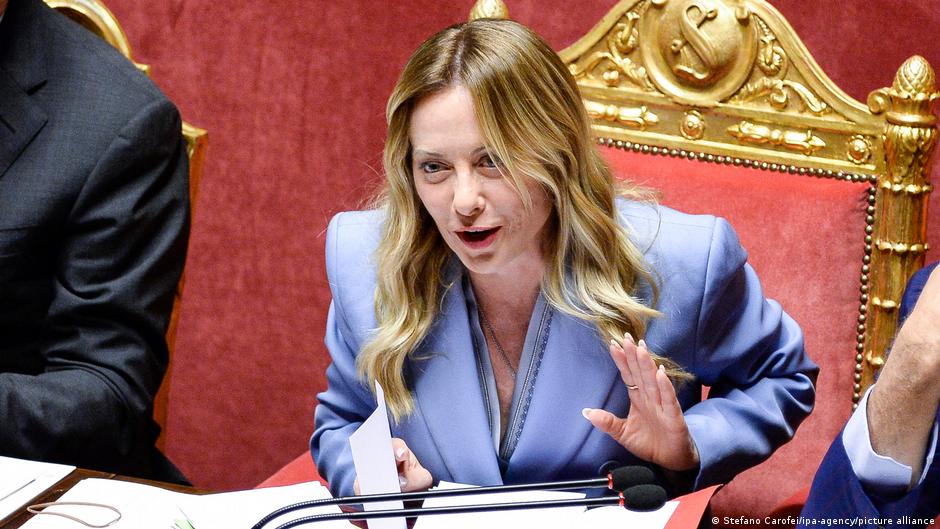
Meloni says the EU must choose an authorized voice for Ukraine peace talks or risk weakening Europe’s diplomatic leverage and economic interests.

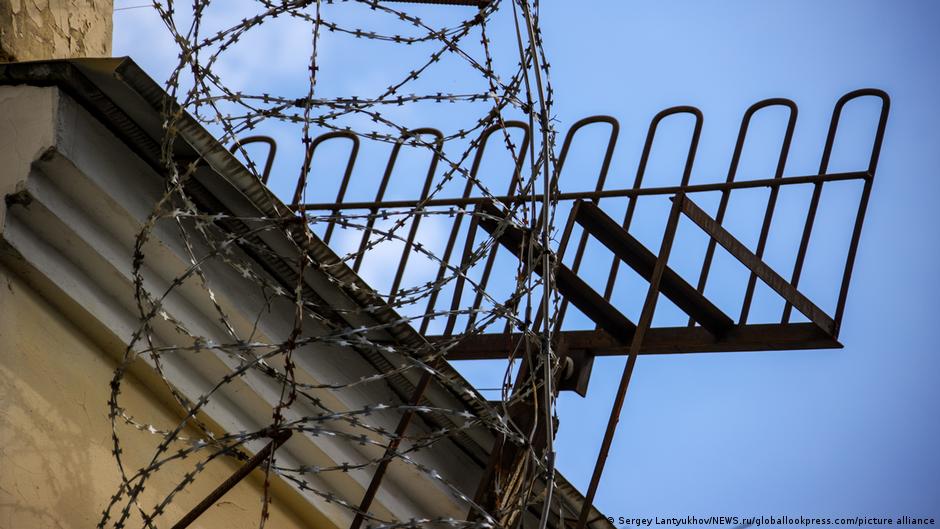
The death of Kharkiv educator Alexandra Kazarovitskaya in Crimean detention underscores the wider costs of repression for families, property and human capital.

Germany plans an extra €100 million for Ukrainian generators, energy storage, infrastructure repairs and winter preparation at 2,000 schools and kindergartens.

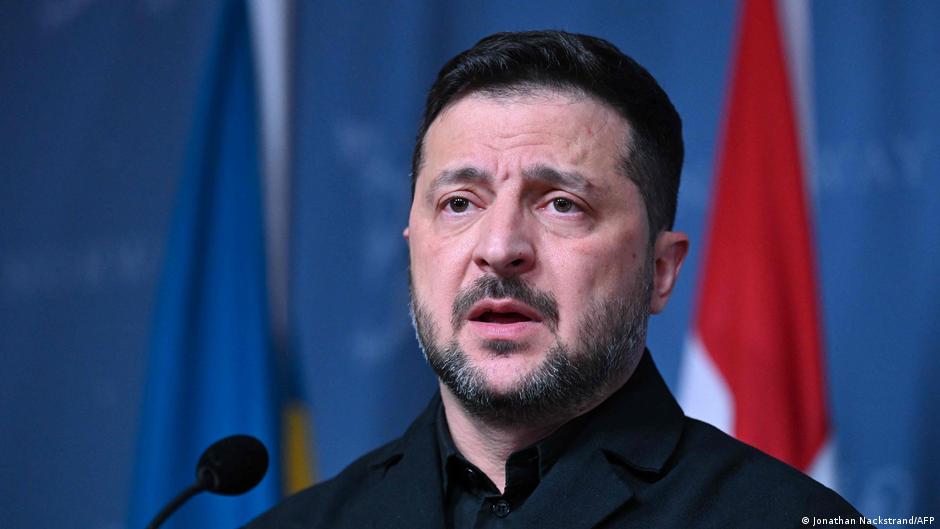
Zelensky expects Democratic control of Congress to expand US military and financial support for Ukraine and reinforce transatlantic coordination.

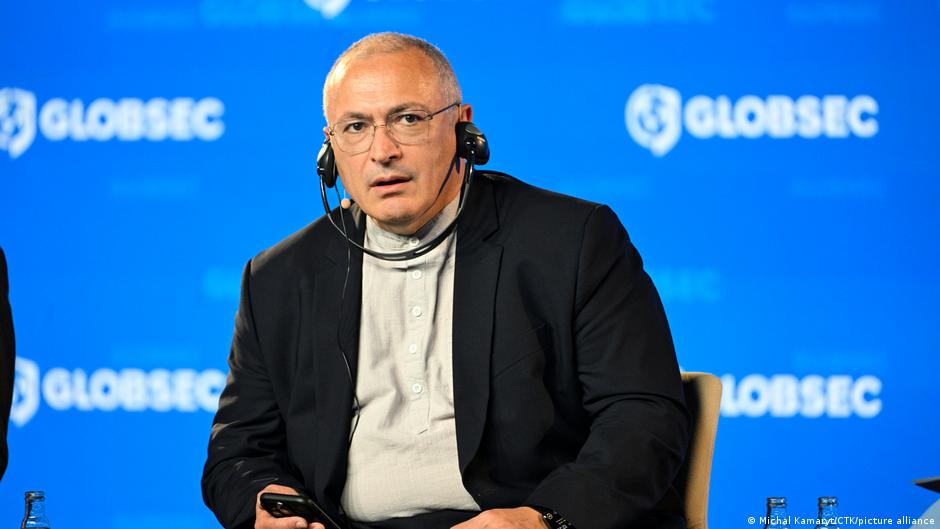
Mikhail Khodorkovsky says Europe needs credible exit routes for Russian elites while avoiding a punitive transition that could trigger armed resistance and renewed authoritarianism.

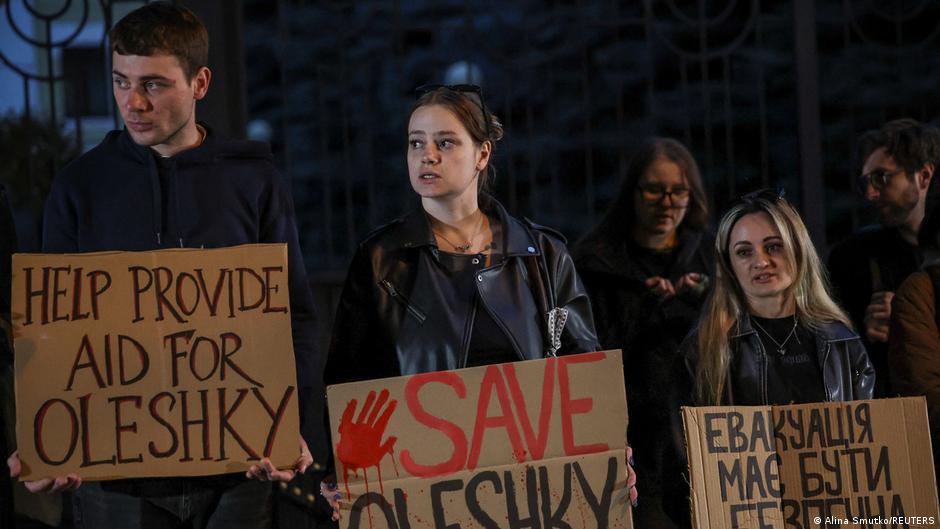
The White House will review an Oleshky truce that enabled hundreds of civilian evacuations and the delivery of humanitarian aid.

Abu Dhabi talks will link near-term de-escalation with Ukraine’s postwar security, European strategy and the economics of reconstruction.

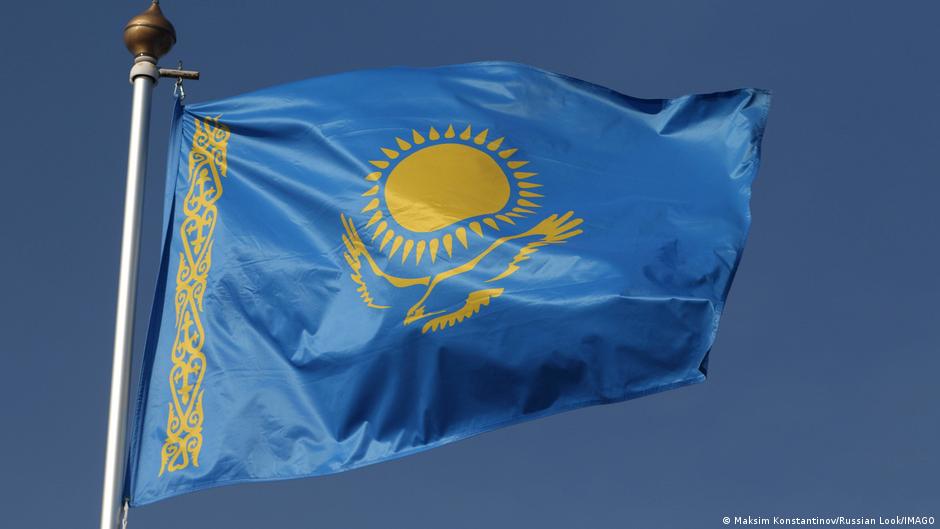
Kazakhstan detained 10 people in Atyrau over an alleged extremist group and closed three underground educational centres for minors.

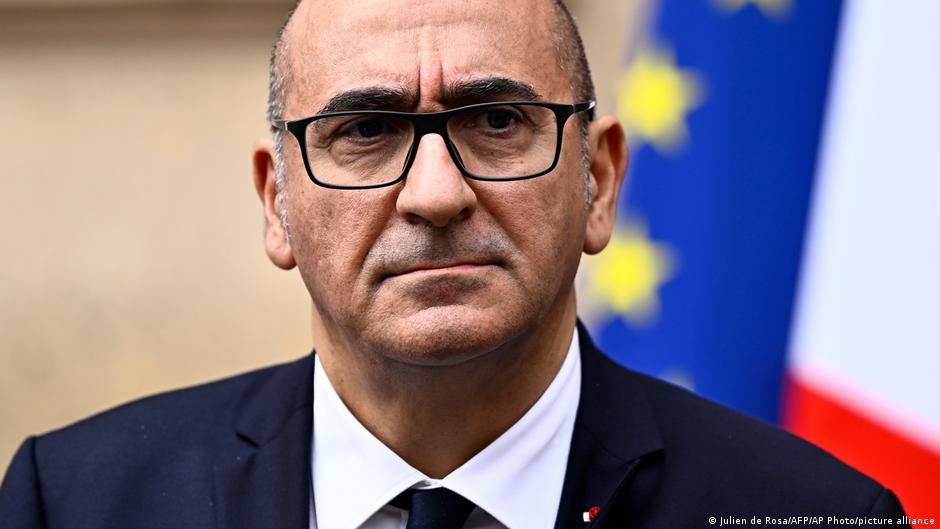
France’s technical talks with the Taliban reveal the fiscal, legal and diplomatic trade-offs behind Europe’s push to accelerate Afghan deportations.

False emergency alerts in Ukraine and Russia reveal the financial and institutional costs of securing trusted public-warning infrastructure.

A US proposal to restore Russian gas transit through Ukraine could support an energy truce but challenge Europe’s planned withdrawal from Russian supplies.

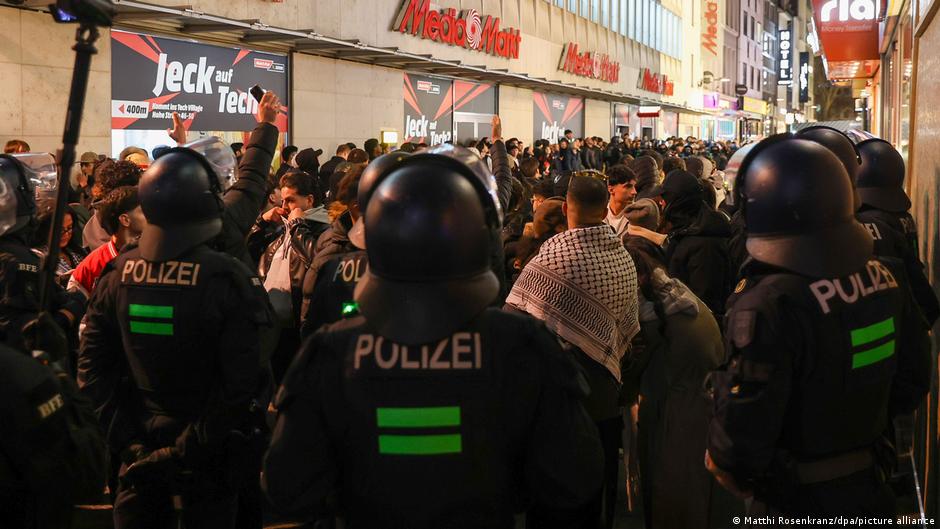
Youth protests across Germany turned violent, exposing deeper disputes over living costs, social spending, climate policy and the distribution of public resources.

Trump disputed the FBI’s North Korea attribution as Binance reimbursed 90% of a reported $6.3 billion crypto theft, exposing liquidity and security risks.

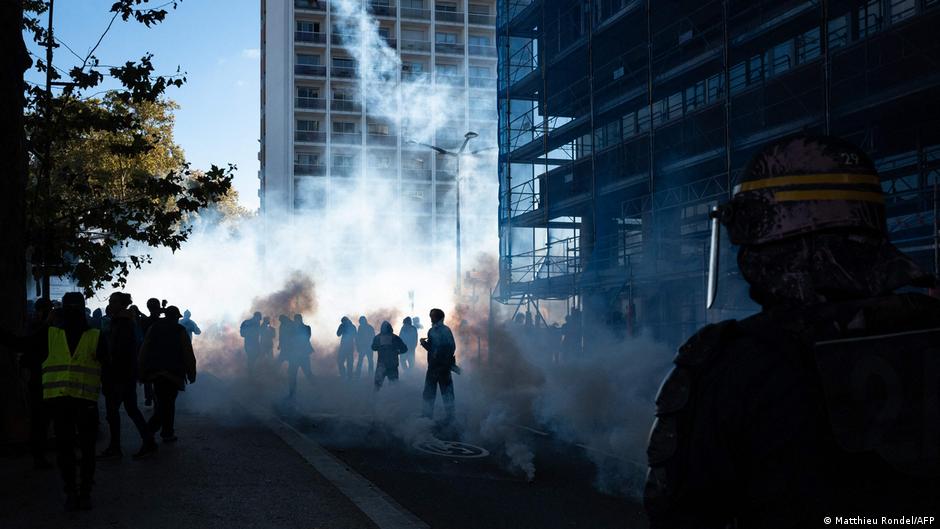
France’s protest turnout fell to 320,000, but anger over living costs, education and future opportunities signals deeper structural strains.

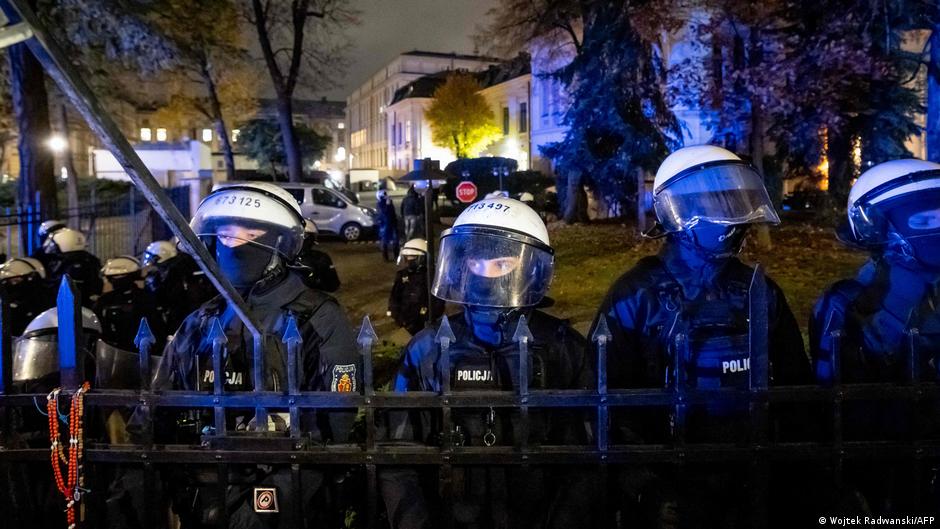
Poland’s Constitutional Tribunal crisis has become a test of judicial authority, political legitimacy and the institutional stability underpinning investment.

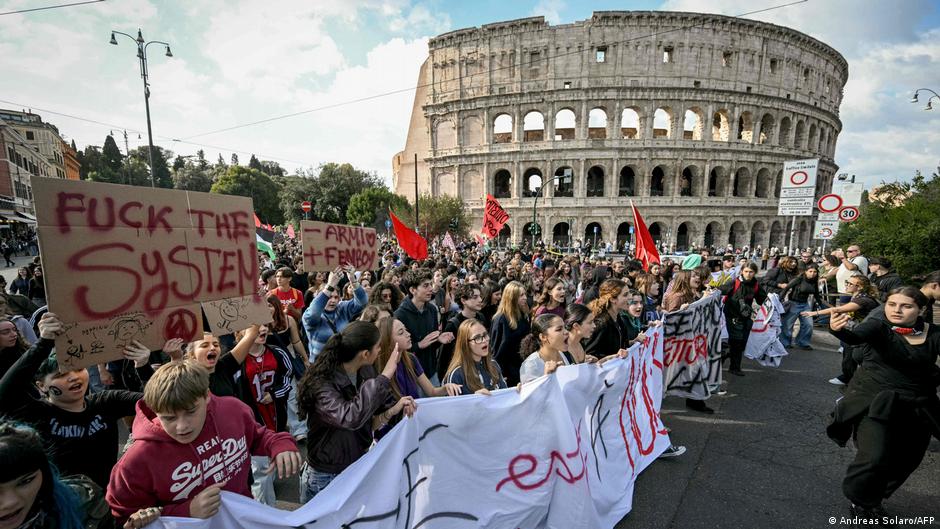
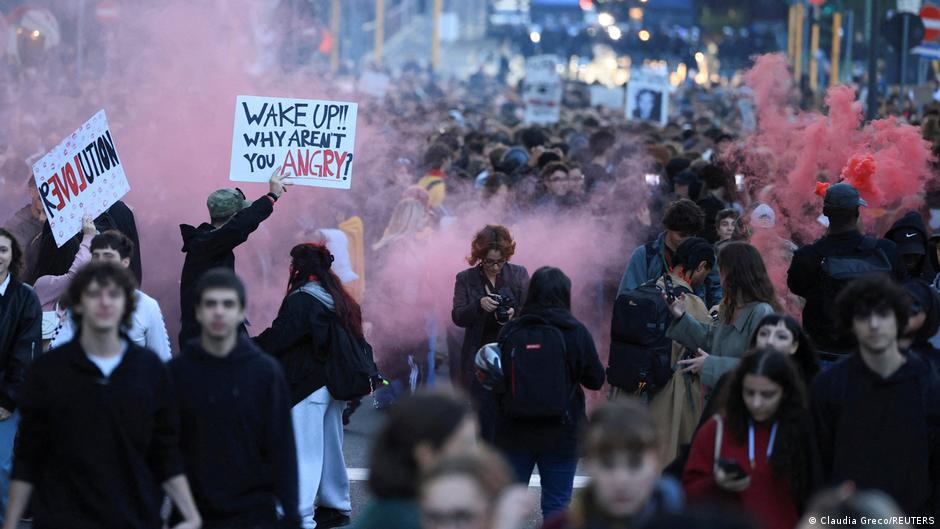
Italy’s mass protests over rents, fuel and defence spending highlight a widening European struggle over household costs and scarce public resources.

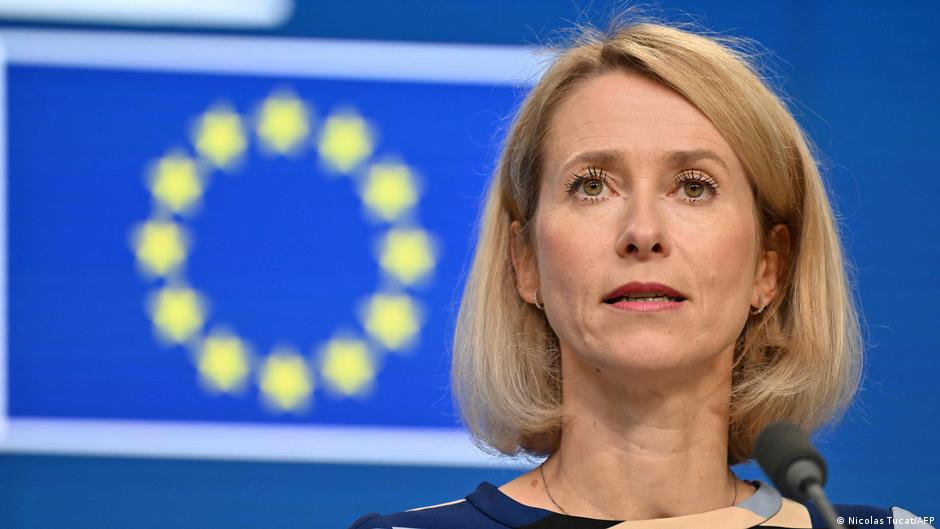
Kaja Kallas said Russia showed no readiness for Ukraine peace talks at the G20 meeting, reinforcing expectations of prolonged economic and diplomatic strain.

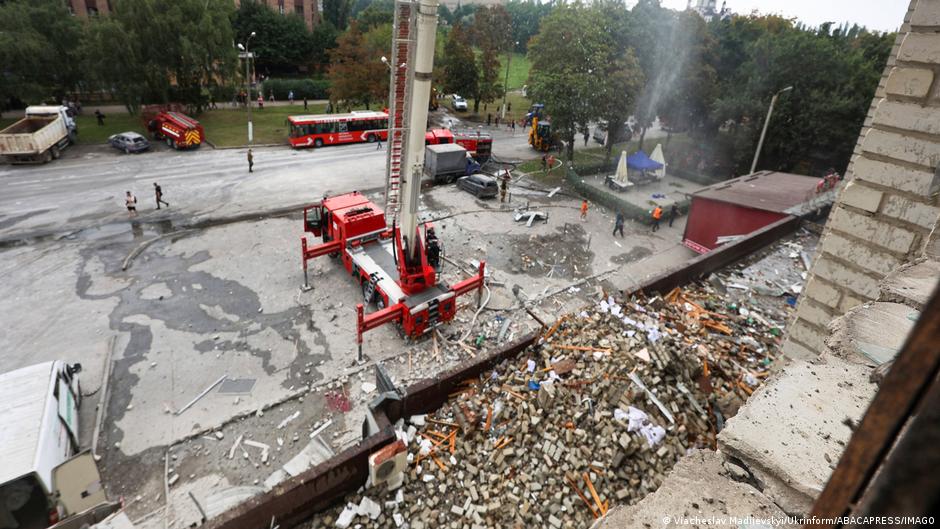
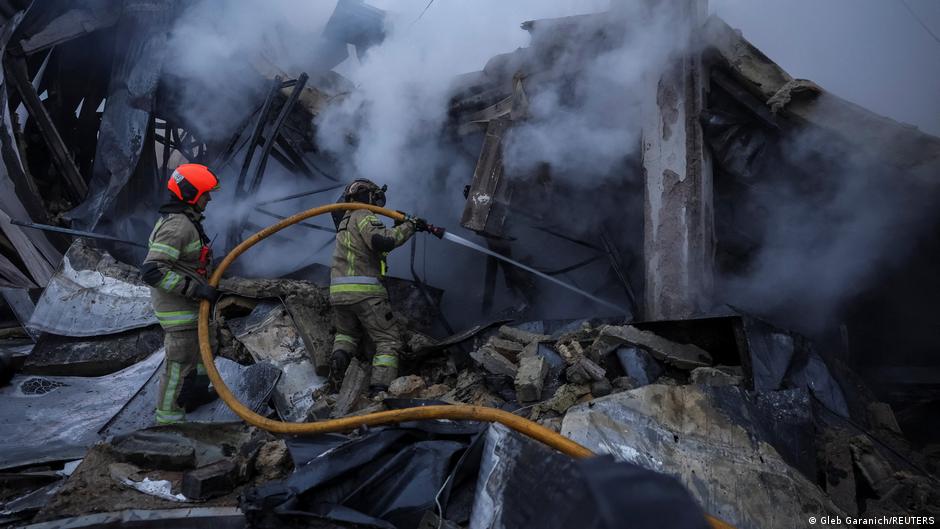
Strikes across Ukrainian cities killed civilians and damaged rail, warehouse, commercial and industrial assets, adding to the country’s cumulative wartime economic burden.

The memorial campaign reached 101 cities as independent events returned in Russia, highlighting the institutional and economic legacy of political repression.

Ukraine’s reported refinery-strike pause shows how US election concerns, fuel prices and Kyiv’s reliance on American technology are reshaping wartime strategy.

Britain and the Netherlands are combining urgent winter defense aid with credit guarantees, energy repairs and multiyear reconstruction funding for Ukraine.

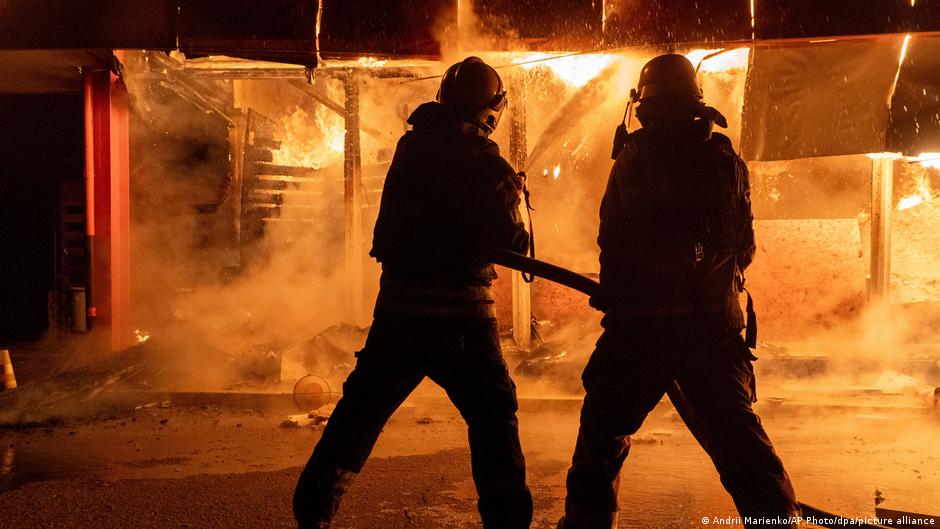
A Russian drone strike injured four people in Kharkiv and set residential and production buildings ablaze, adding to the city’s cumulative economic burden.

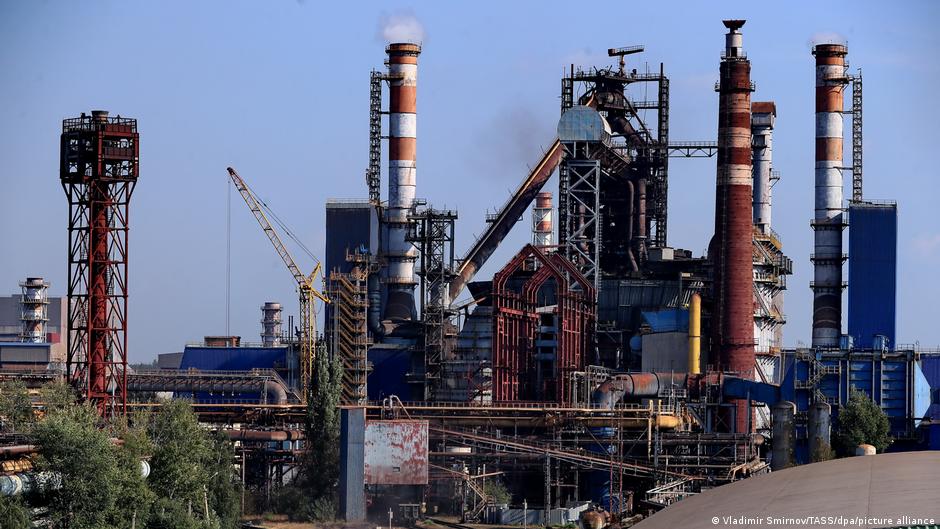
Reported attacks on steel, chemical and battery plants show how Ukraine’s long-range campaign may raise costs across Russia’s concentrated industrial supply chains.

Missile strikes killed at least three people in Kyiv and Kharkiv, adding damaged housing and public infrastructure to Ukraine’s mounting urban economic burden.

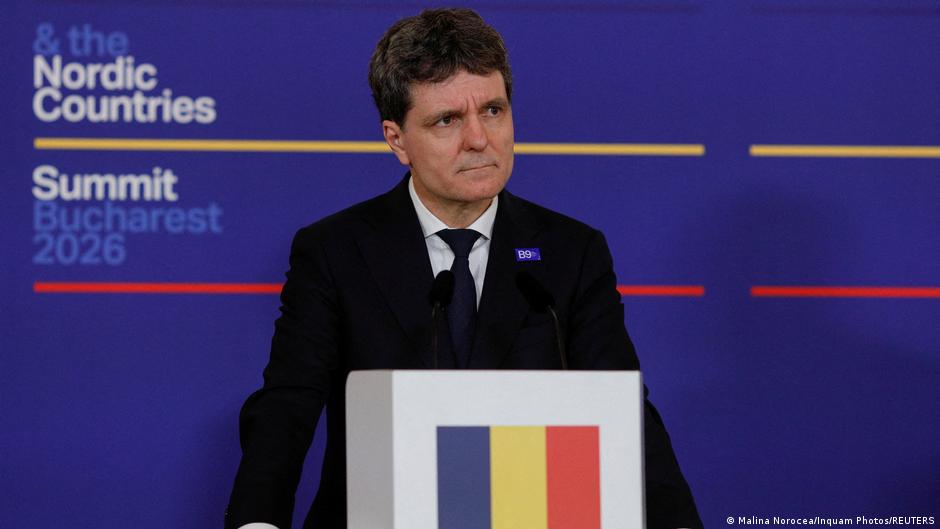
Romania says a Russian-coordinated network targeted an arms factory, underscoring the economic and security risks facing Europe’s defense supply chains.

A bilateral ceasefire is intended to bring aid and evacuations to Oleshky, a mined and flood-damaged Ukrainian city reduced to a fraction of its prewar population.

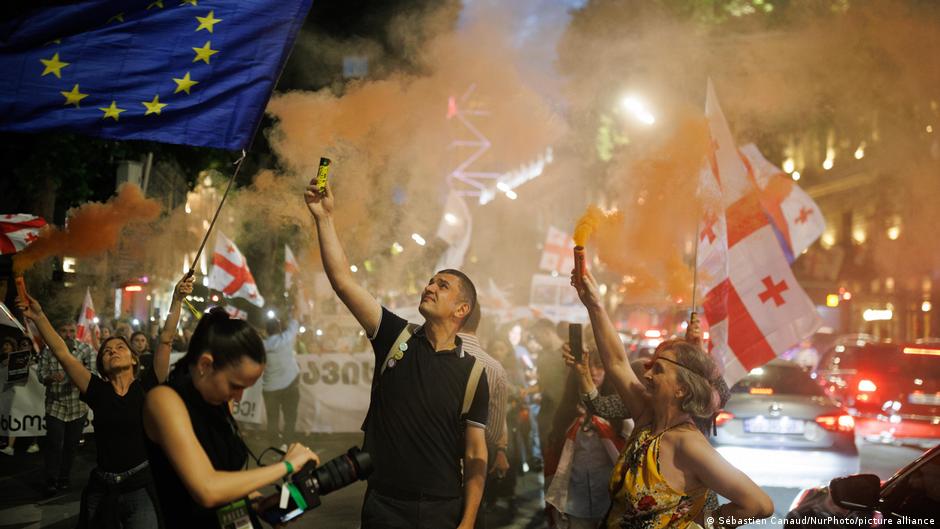
Georgia’s opposition has begun a new protest campaign as the Constitutional Court considers a case seeking to ban opposition parties.

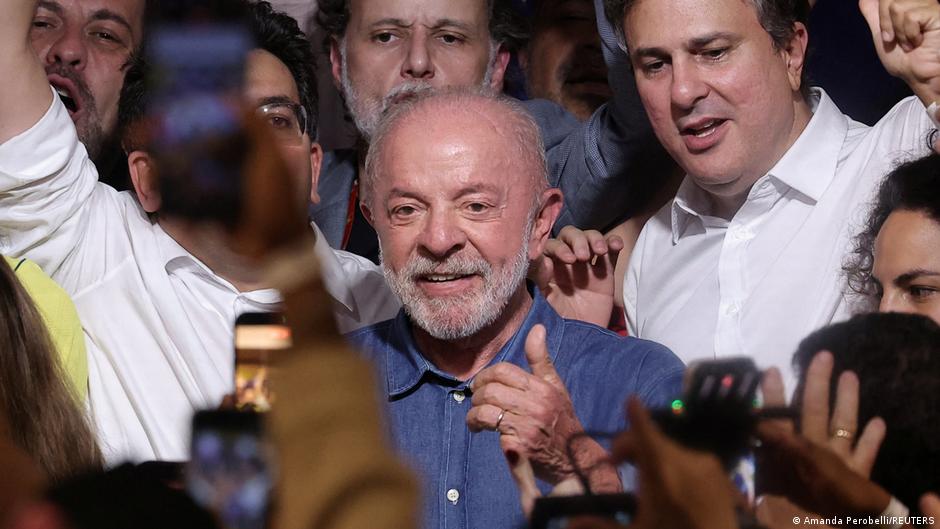
Lula won Brazil’s runoff with 51.8%, but Flávio Bolsonaro’s annulment demand raises fresh institutional and economic uncertainty.

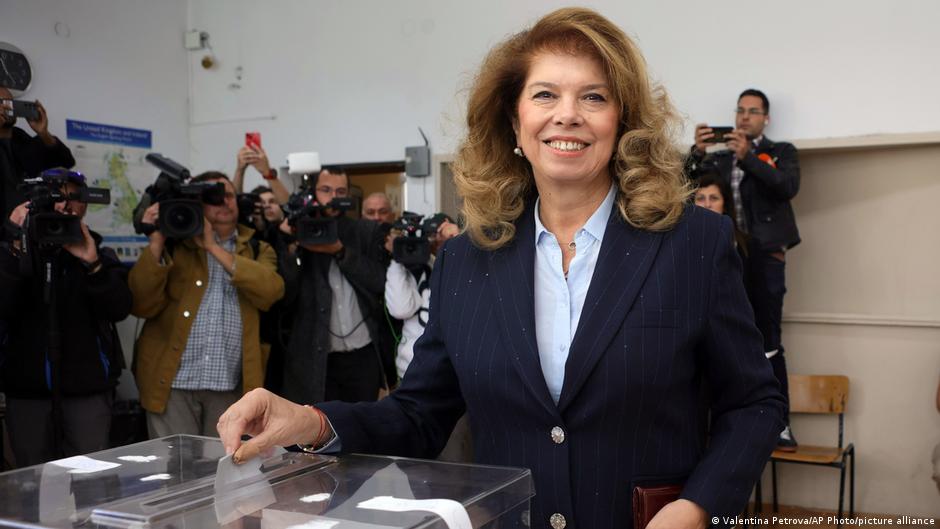
Bulgaria’s presidential runoff will pair Iliyana Yotova against Andrey Gyurov after a first round marked by 22.2% turnout and growing debate over Ukraine.

Protests across Italy link household price pressures with opposition to military spending and the Meloni government, raising economic and political risks.