Former Bulgarian President Rumen Radev’s Coalition Leads Parliamentary Elections Amid Anti-Corruption Wave
Rumen Radev’s left-centrist alliance gains over 40% in early results, reflecting public demand for judicial reform and anti-corruption measures.
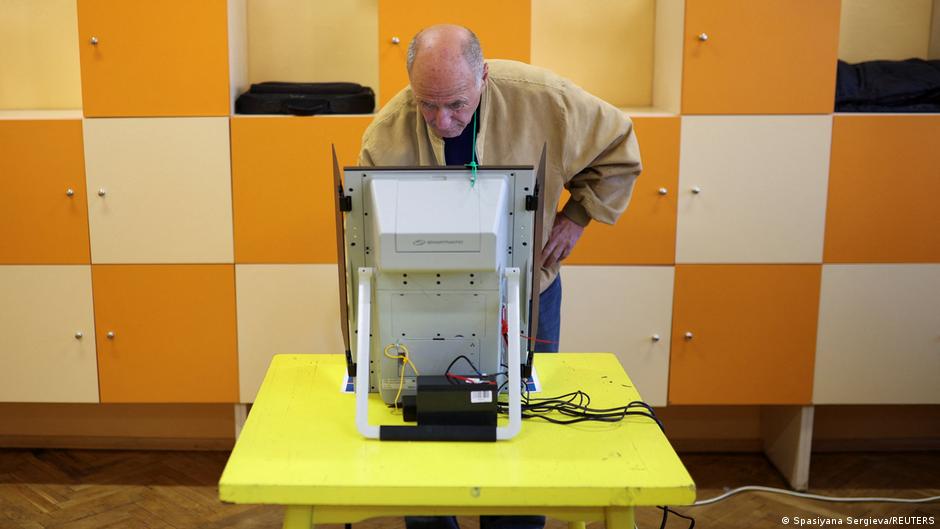
The political landscape in Bulgaria is undergoing a significant transformation as the left-centrist coalition led by former President Rumen Radev takes a commanding lead in the parliamentary elections. Early official data, covering approximately one-third of the ballots, show the "Progressive Bulgaria" alliance securing 44.59% of the vote, signaling a potential reshaping of Bulgaria’s governance and policy direction.
Electoral Dynamics and Political Context
These elections, Bulgaria’s eighth parliamentary poll in five years, were triggered by the resignation of a conservative government amid months of mass protests starting in December 2025. The protests, involving hundreds of thousands, demanded an end to entrenched corruption and the establishment of an independent judiciary—issues that have dominated Bulgarian politics for years and remain central to public discourse.
Radev’s coalition has capitalized on this widespread discontent, positioning anti-corruption efforts as the cornerstone of its platform. This strategic focus resonates with a diverse electorate: on one side, citizens with pro-Russian leanings, and on the other, voters deeply concerned about systemic corruption and governance reforms.
Meanwhile, right-centrist parties such as the "Citizens for European Development of Bulgaria" (GERB), formerly led by ex-Prime Minister Boyko Borisov, and the liberal "We Continue the Change - Democratic Bulgaria" alliance (PP-DB) each gather around 12-13% of the vote according to exit polls. These parties advocate for continued integration with the European Union, underscoring the ongoing debate around Bulgaria’s geopolitical orientation.
Historical and Structural Economic Implications
Bulgaria’s political instability—highlighted by frequent elections and government turnover—reflects deeper structural challenges. The country’s post-Communist transition has been marked by enduring governance weaknesses and corruption, hindering economic development and EU integration progress. The electorate’s embrace of Radev’s coalition can be interpreted as a demand for systemic reform, which, if realized, could improve Bulgaria’s institutional framework and economic prospects.
Notably, Radev garners support from former Bulgarian Socialist Party voters, the political successors of the communist regime that ruled for 45 years. This shift indicates a complex realignment where historical political affiliations intersect with contemporary issues like corruption, governance, and foreign policy.
"The anti-corruption agenda has become a unifying force among a heterogeneous electorate, reflecting deep frustration with Bulgaria’s entrenched political challenges."
Radev’s stance on foreign policy also distinguishes his coalition. He advocates for reducing military aid to Ukraine, a position that contrasts with mainstream EU support for Ukraine amid ongoing regional conflicts. This stance may appeal to pro-Russian segments within Bulgaria but also raises questions about the country’s future role within the broader European security architecture.
Future Outlook and Economic Considerations
The election outcome is likely to have significant structural economic consequences. A government led by the "Progressive Bulgaria" alliance could intensify anti-corruption reforms, potentially attracting foreign investment by improving the business climate and strengthening rule of law. Such developments are crucial for Bulgaria, which continues to struggle with economic disparities and lagging institutional quality compared to other EU members.
However, political volatility remains a risk. Frequent elections and shifting coalitions may delay reforms and contribute to economic uncertainty. Additionally, Bulgaria’s geopolitical stance, particularly regarding Russia and Ukraine, could influence foreign relations and economic partnerships within Europe.
The voter turnout, reported at 43.4%, underscores moderate engagement amid political fatigue but also highlights an electorate eager for change after prolonged instability.
In sum, Bulgaria’s latest parliamentary elections epitomize the intersection of longstanding governance issues, evolving political identities, and strategic economic considerations within a complex regional context. Monitoring how these dynamics translate into policy will be essential for assessing Bulgaria’s future trajectory in both domestic and European spheres.