France and Poland Collaborate on Military Satellite to Enhance European Defense Autonomy
France and Poland announce a joint satellite project to provide secure military communications, reducing dependency on non-European systems by 2030.
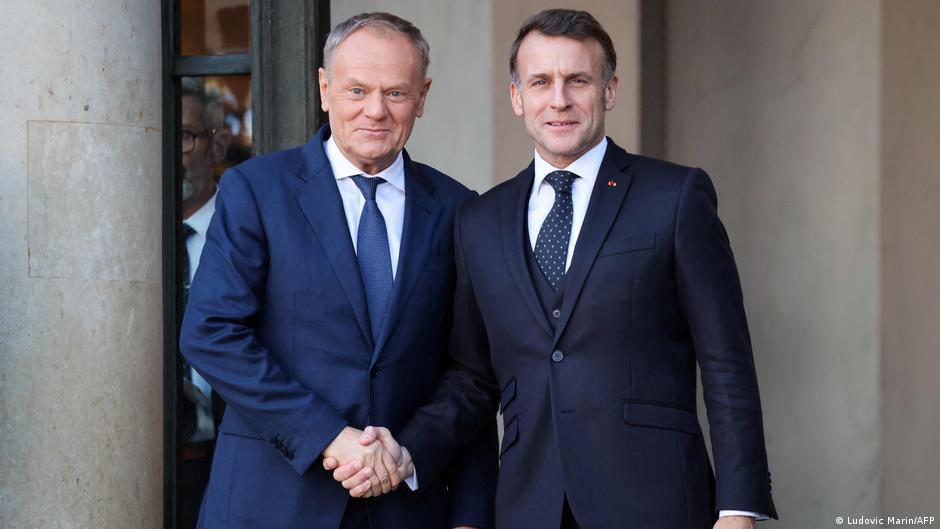
During a high-profile meeting in Gdańsk on April 20, French President Emmanuel Macron and Polish Prime Minister Donald Tusk unveiled plans for a joint construction of a military satellite dedicated to the Polish armed forces. The initiative aims to establish an independent secure communications channel as an alternative to Elon Musk’s Starlink system, which has raised concerns over political reliability.
Strategic Context and European Defense Autonomy
The satellite project is a collaboration between major aerospace and defense companies including Thales Alenia Space, Airbus Defence and Space, and Poland’s RADMOR. According to a press release from Thales Alenia Space, this endeavor forms part of the European Commission’s broader defense plan to ensure Europe has sufficient capabilities for autonomous defense by 2030.
"This project is emblematic of Europe's push to reduce strategic dependence on foreign systems, particularly in the realm of secure military communications," Thales Alenia Space stated.
The effort reflects a rising trend in Europe to develop indigenous space-based infrastructure in response to vulnerabilities exposed by reliance on external providers. The prominence of Starlink — owned by American entrepreneur Elon Musk — in military communications has stirred unease across European capitals, given its private ownership and potential geopolitical unpredictability.
Europe’s drive for sovereignty in satellite technologies parallels other historical efforts to localize critical defense capabilities during periods of geopolitical tension. The Cold War era witnessed similar ambitions to control communication channels and early warning systems, underscoring the persistent strategic value of autonomous space assets.
Broader Defense Cooperation and Future Directions
Beyond the satellite initiative, Macron and Tusk addressed other pressing defense issues, including nuclear deterrence and energy security. The meeting also highlighted the EU’s Security Action for Europe (SAFE) fund, which aims to finance investments in European defense infrastructure and capabilities.
The joint statement from the leaders indicated plans to deepen cooperation in areas such as missile defense, long-range weaponry, and early warning missile attack systems. These measures come amid growing security challenges in the region and signal a commitment to a more integrated European defense posture.
Economically, the collaboration between France and Poland represents a strategic investment in high-tech sectors, potentially catalyzing regional industrial growth and innovation in aerospace and defense. It also aligns with the EU’s broader ambition to foster a resilient defense industrial base capable of competing globally without overreliance on external actors.
As Europe pursues greater strategic autonomy, this satellite project embodies the intersection of geopolitical considerations and economic imperatives. Developing indigenous capabilities not only enhances security but also reinforces technological sovereignty, helping to safeguard Europe’s long-term defense and economic interests.