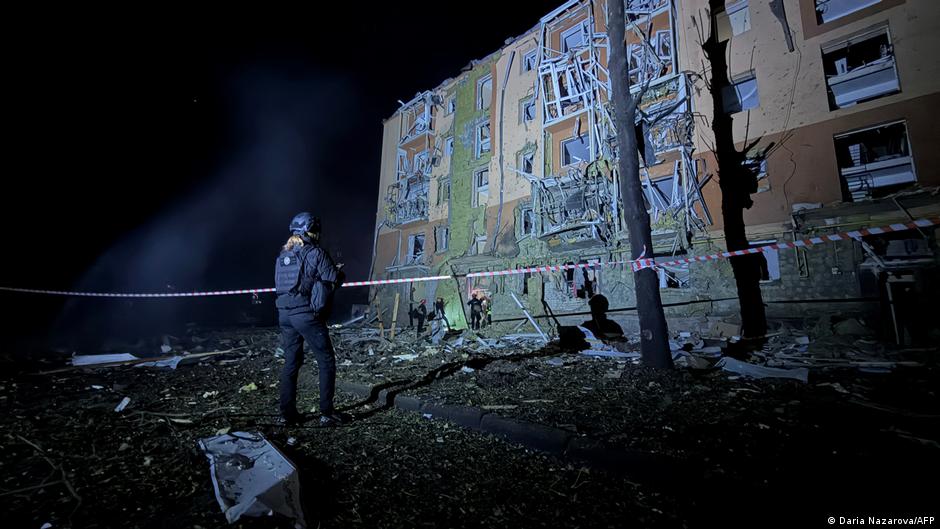
US House Approves New Sanctions Against Russia and Extended Aid to Ukraine
The US House of Representatives passed a bill expanding military support for Ukraine and intensifying sanctions on Russia, pending Senate approval.
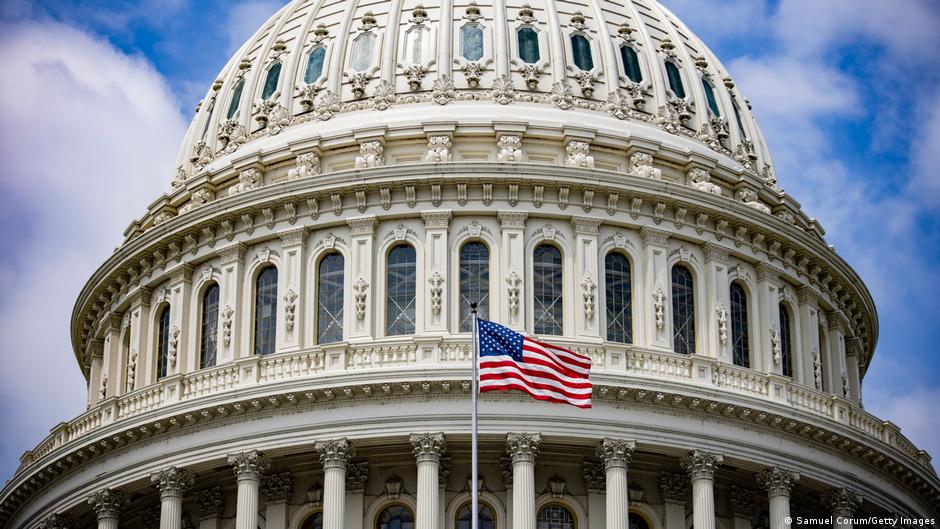
On June 5, the US House of Representatives approved a significant legislative package aimed at reinforcing support for Ukraine while imposing additional sanctions on Russia. The bill, which passed by a vote of 226 to 195, marks a continuation of bipartisan efforts within the US government to counter Russia's ongoing military actions in Ukraine and limit Moscow's economic capabilities.
The legislation was introduced in April and proposes the establishment of a dedicated fund for Ukraine's reconstruction, reflecting a long-term commitment to the country's recovery and stability. It also revives presidential authority to transfer defense equipment to Ukraine and Eastern European nations through credit or lease arrangements, aiming to bolster regional security without immediate direct purchases.
Expanded Military and Intelligence Support
One of the bill’s notable provisions grants the Pentagon authority to provide intelligence support to Ukraine until the end of 2027. This extended timeframe signals Washington’s intent to sustain a strategic advantage for Kyiv in intelligence gathering and battlefield awareness. Additionally, the US State Department is tasked with strengthening the capabilities of Baltic states' armed forces and border security, underscoring the broader US commitment to Eastern European defense alliances amid Russian aggression.
Beyond military assistance, the legislation enhances economic pressure on Russia. It empowers the US president to impose new sanctions, block assets of Russian individuals and entities, and implement fresh export controls and tariffs. These measures aim to further isolate the Russian economy and restrict its ability to finance the ongoing conflict.
"This legislation embodies the continued bipartisan support for Ukraine, reflecting the United States’ strategic priorities in countering Russian aggression," a congressional statement noted.
Cooperation with European allies is also a key element of the bill. It calls for increased arms shipments, military training programs for Ukrainian forces, and tighter coordination of intelligence sharing between the US and its European partners. These collaborative efforts reflect lessons learned from historical conflicts where allied coordination proved crucial for effective resistance and post-conflict reconstruction.
Political and Economic Implications
While the House has taken this decisive step, the bill’s enactment depends on its passage through the Senate, where partisan divisions over foreign aid persist. Some Republican senators advocate for reducing the volume of US assistance, citing concerns over fiscal responsibility and the extent of American involvement overseas. The narrow margin in the House vote highlights the fragility of consensus on Ukraine policy within Congress.
Furthermore, even if the Senate approves the legislation, the potential for presidential veto remains. Former President Donald Trump, who may return to office in 2025, has previously slowed aid to Ukraine and emphasized preserving executive control over sanction decisions. This underscores the complex interplay between the executive branch and Congress in shaping US foreign policy and economic sanctions regimes.
The broader economic consequences of the sanctions extend beyond immediate military strategy. By tightening export restrictions and financial blockades, the US aims to accelerate structural economic pressure on Russia, potentially hastening shifts in global trade patterns and energy markets. Historically, such comprehensive sanctions can lead to longer-term realignments in international economic relations, influencing both the sanctioned country and its trading partners.
In sum, the House’s approval of the sanctions and aid bill represents a calculated effort to sustain Ukraine’s defense capabilities while applying sustained economic pressure on Russia. The measure encapsulates ongoing debates about the US role in international conflicts, the balance of power domestically, and the economic tools deployed in modern geopolitical contests.