Friedrich Merz’s Leadership Stability Questioned Amid Political Unrest in Germany
Despite media reports of a possible early replacement, Merz’s circle dismisses claims of his imminent departure as unfounded speculation.
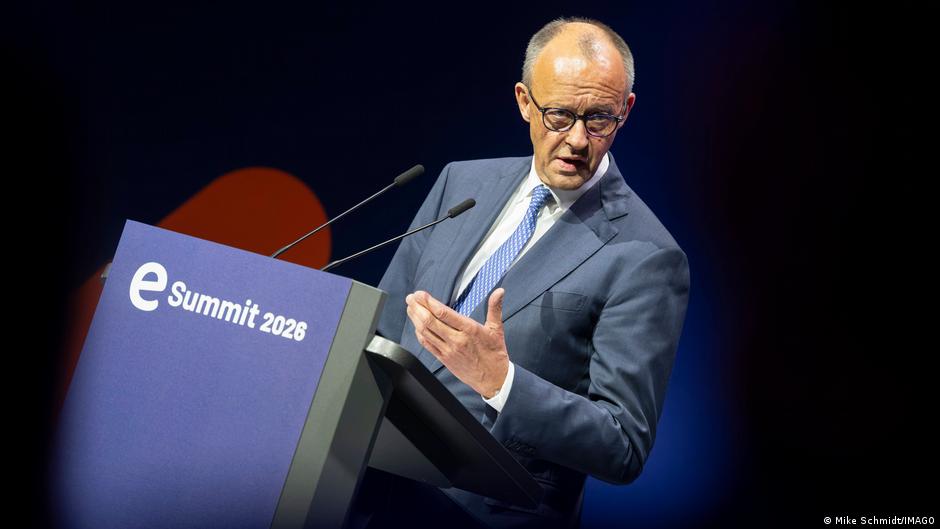
Recent reports from prominent German media outlets suggesting that the Christian Democratic Union (CDU) is preparing to replace Chancellor Friedrich Merz before his term ends have been categorically denied by sources close to him. These sources labeled such rumours as "absurd speculations" and highlighted the dangerous implications of such narratives within Germany's current political landscape.
Political Context and Constitutional Challenges
According to insiders, discussions about Merz’s potential early departure have no basis in reality. The idea, they argue, reflects a "worrying tendency towards instigation" and demonstrates a "striking ignorance of the constitution and political realities."
These rumours have the potential to bolster the far-right Alternative for Germany (AfD) party by undermining the credibility of the political center during a period marked by multiple domestic and global crises. The political center’s stability is crucial as Germany navigates economic pressures, energy uncertainties, and geopolitical tensions.
“Rumours about changing the chancellor at this moment serve only to weaken the political center and embolden extremist forces.”
Reports from Stern and Bild suggested that within the CDU, there are discussions about possible successors to Merz, naming North Rhine-Westphalia’s Prime Minister Hendrik Wüst, Bavaria’s Markus Söder, and CDU/CSU parliamentary leader Jens Spahn as potential candidates for what some media have termed the "chancellor of change."
However, the constitutional mechanisms for replacing a sitting chancellor mid-term are complex and politically fraught. Should such an event occur, Merz would need to either trigger new elections swiftly, effectively dissolving the current Bundestag, or step down under pressure from influential party members. In the latter case, a coalition of CDU/CSU and the Social Democratic Party (SPD) members could elect a new chancellor, a process riddled with political risks and uncertainties—particularly regarding SPD’s willingness to participate.
Electoral Standing and Political Implications
The backdrop to this controversy is Merz’s declining popularity. A recent Deutschlandtrend poll revealed that public dissatisfaction with the federal government has reached its highest point since the current coalition took office—86% of respondents expressed disapproval of the cabinet’s performance. Merz’s personal approval has dropped to 16%, marking the lowest rating since he assumed office as chancellor.
This slump in support reflects broader challenges confronting Germany's political establishment, including economic pressures from inflation, energy supply issues exacerbated by geopolitical conflict, and internal party tensions. The CDU's leadership is particularly scrutinized as it balances maintaining coalition unity with responding to public dissatisfaction.
Historically, early leadership changes in German federal politics have been rare and typically emerged from severe political crises or coalition breakdowns. The current scenario highlights the fragility of governing coalitions in parliamentary democracies during turbulent times and the potential repercussions for policy continuity and investor confidence.
As Germany faces structural economic challenges—from transitioning energy policies to inflation control—the stability of its executive leadership remains paramount. Premature leadership upheaval could disrupt economic planning, affect international partnerships, and exacerbate uncertainties in financial markets.
For now, the Chancellor’s office maintains that while public opinion may be shifting, there is no internal movement toward an early replacement. Nonetheless, the situation underscores the critical need for Germany’s political leaders to address the root causes of declining public trust and to reinforce the resilience of the country’s democratic institutions.