House Republicans Stall Hegseth Impeachment as Power Shift Looms
The vote postpones a constitutional dispute over war powers while incoming Democratic majorities prepare to take control of Congress.

Republicans in the US House of Representatives have effectively halted an attempt to impeach Defense Secretary Pete Hegseth, delaying a confrontation over presidential war powers until a new Congress takes office in January.
On Tuesday evening, November 10, the House voted 211 to 204 to approve a Republican proposal referring the impeachment resolution to the House Judiciary Committee. Because Republicans control the committee, the referral in practice blocks further action against Hegseth for the remainder of the current congressional term, Reuters reported.
The procedural move avoids an immediate vote on the substance of the allegations while exposing how changes in congressional control can alter the economic and political risks surrounding US defense policy. The next Congress begins work on January 3, 2027. Following the November midterm elections, Democrats are set to hold majorities in both the House and the Senate, giving them the capacity to reopen the case.
A delay rather than a final resolution
Once the Democratic majorities take effect, the party could launch another effort to remove Hegseth. Impeachment requires a simple majority in the House, but conviction and removal require a two-thirds majority in the Senate. Democratic control of both chambers therefore would not by itself guarantee Hegseth’s dismissal, particularly given the much higher threshold in the Senate.
No US defense secretary has ever been impeached. That historical absence raises the stakes of the current dispute: any renewed proceeding would test not only Hegseth’s position but also Congress’s willingness to use impeachment in a conflict over the executive branch’s authority to conduct military operations.
The resolution was introduced by Representative Thomas Massie, a Kentucky Republican and a member of Hegseth’s own party. Massie accused the defense secretary of abuse of power, pointing in particular to the war in Iran, which he said was launched without congressional authorization. The fact that the initiative came from a Republican complicates a purely partisan interpretation of the case and places the long-running institutional struggle between Congress and the presidency at its center.
Hegseth rejected the allegations and described the effort as a farce. At a Pentagon press conference, he argued that the eventual historical verdict on the conflict would differ from its current public reception.
“History will judge the war in Iran very differently from the view that prevails in public opinion today,” Hegseth said.
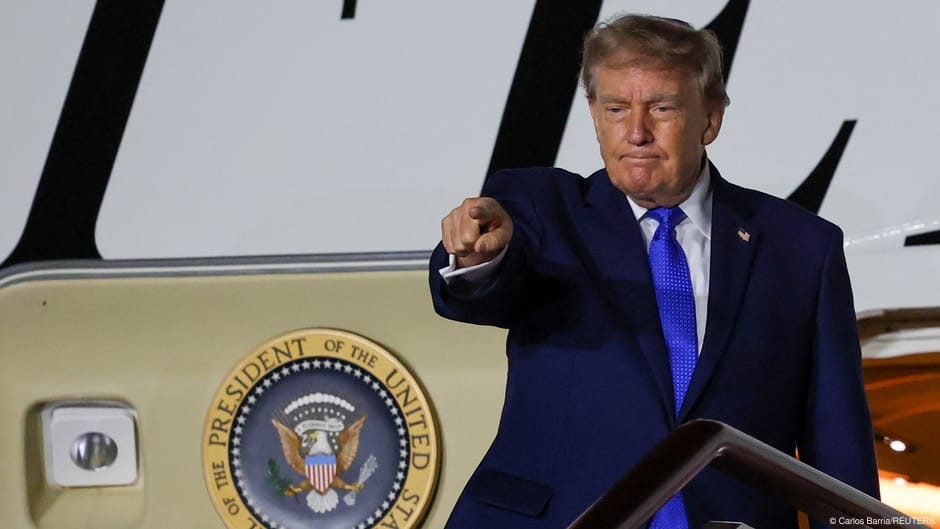
President Donald Trump backed the defense secretary.
War powers and economic consequences
The immediate vote concerned congressional procedure, but the underlying dispute carries wider economic implications. Wars can reshape federal spending priorities, increase demand for military procurement and place pressure on budgets already divided among defense, social programs and debt obligations. A prolonged institutional conflict over authorization can also make the duration and fiscal boundaries of military commitments harder to predict.
For defense contractors, uncertainty over political oversight may affect expectations about future procurement and appropriations. For lawmakers, the issue extends beyond the cost of military operations to control over how those commitments are initiated and sustained. Congressional authorization can provide a clearer political basis for long-term expenditure, while disputes over authority risk turning annual funding decisions into repeated tests of support for the conflict.
The case also illustrates how institutional timing affects policy. By sending the resolution to a Republican-controlled committee, the current House majority has used its remaining control of the legislative calendar to defer the issue. The incoming Democratic majority, however, will inherit both the political opportunity to revive impeachment and the economic responsibility of deciding how aggressively to challenge an administration during an ongoing war.
Historical disputes over US military action have frequently centered on the balance between the president’s role as commander in chief and Congress’s authority over declarations, appropriations and oversight. The Hegseth resolution places impeachment—a mechanism usually associated with individual misconduct—inside that broader argument about who may commit national resources to war.
A structural test for the next Congress
The January transition will therefore change the path available to Hegseth’s opponents without resolving the central arithmetic. Democrats may have enough votes to approve articles of impeachment in the House, but removing the secretary would still require support extending well beyond a narrow Senate majority. That gap could turn a renewed proceeding into an extended investigation and public examination of the Iran war even if conviction remains difficult.
Such scrutiny could influence budget negotiations, defense appropriations and the administration’s ability to present a stable military strategy. It may also sharpen divisions within the Republican Party, since the original resolution came from a Republican lawmaker even as most House Republicans supported the procedural action that stalled it.
For now, Hegseth remains in office and the impeachment effort is contained within a committee controlled by his party. The November 10 vote has postponed the institutional reckoning, not eliminated it. When the new Congress convenes on January 3, the balance of power will favor reopening the dispute, while the constitutional threshold for removal will continue to demand a far broader coalition.