Hungary Begins EU Funding Negotiations After Years of Blockade Under Orban
New Hungarian Prime Minister Peter Magyar initiates talks with European Commission to unlock billions in EU funds frozen during Orban’s tenure.
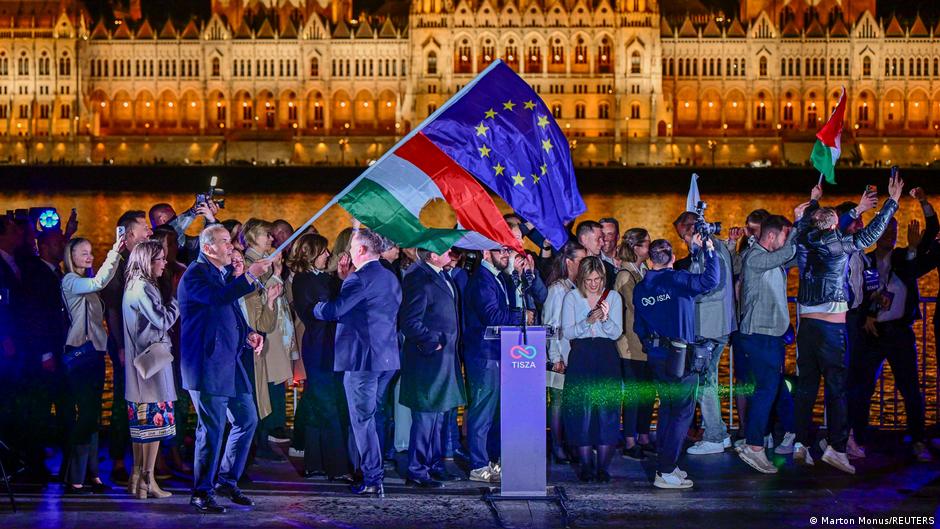
Hungary is embarking on a critical phase of economic recovery and European integration as its new Prime Minister, Peter Magyar, prepares to negotiate with the European Commission the release of billions of euros in frozen EU funds. These funds, amounting to approximately €35 billion, were withheld under former Prime Minister Viktor Orban’s administration due to persistent concerns over democratic standards and rule of law compliance within the country.
Historical Context and Economic Implications of the EU Funding Freeze
Since Viktor Orban came to power, Brussels and Budapest have been locked in a protracted standoff. The European Commission accused the Orban government of undermining the EU’s core values and failing to align Hungarian legislation with democratic norms. These concerns led the Commission to progressively withhold significant financial support, including post-pandemic economic recovery funds and regional development subsidies.
“The time to delay is over,” Magyar declared ahead of his scheduled informal talks with Ursula von der Leyen, President of the European Commission. This signals a potential shift in Hungary’s economic trajectory and its relationship with the EU.
The blocked funds include crucial economic aid packages targeted at alleviating regional disparities and supporting economic resilience, especially in Hungary’s less affluent areas. Additionally, €17 billion in defense credits were frozen as part of these measures in early 2026, reflecting the broader geopolitical and institutional friction between Hungary and the EU.
Unlocking these funds would not only provide immediate fiscal relief but also strengthen Hungary’s long-term economic prospects by enabling investments into infrastructure, social programs, and the defense sector. The negotiations therefore carry significant macroeconomic consequences for Hungary and potentially set a precedent for the EU’s approach to conditionality in future funding mechanisms.
Reforms and Diplomatic Engagements Under Scrutiny
The European Commission has made it clear that the resumption of funding is contingent on Hungary undertaking comprehensive reforms. These include judicial reforms, protections for media freedom, and measures to ensure transparency and anti-corruption standards. Moreover, Brussels expects Budapest to improve its diplomatic stance, notably its relations with Ukraine, a strategic factor amid the ongoing regional security challenges.
Such demands underscore the EU’s evolving strategy to link financial support to adherence to its political and legal frameworks. This approach reflects a broader tension between respect for national sovereignty and the enforcement of supranational norms within the Union.
Peter Magyar’s government, having capitalized on a shift in domestic political sentiment, now faces the delicate task of balancing internal reforms with external diplomatic expectations. The success of these negotiations will hinge on Hungary’s ability to demonstrate credible progress on governance reforms and recalibrate its foreign policy alignments.
Broader Structural Economic Consequences for Hungary and the EU
The thawing of EU-Hungary relations around funding unlocks opportunities for economic acceleration but also reintroduces complexities. The integration of Hungary’s economy into broader EU frameworks is vital for attracting foreign investment, enhancing competitiveness, and stabilizing public finances.
Conversely, the prior funding blockade illustrated the EU’s capacity to exert leverage on member states through financial conditionality, potentially reshaping member state behavior. For Hungary, the reaccess to these funds could catalyze economic modernization but will require sustained compliance with EU conditions, influencing domestic policy-making and institutional reforms.
This episode also provides a significant case study for the EU’s balance between enforcing union-wide standards and respecting national political dynamics. It may serve as a blueprint for managing similar disputes in other member states, marking a maturation point in the EU’s fiscal governance and political integration.
As negotiations unfold, the economic community watches closely to assess not only Hungary’s policy trajectory but also the broader implications for EU cohesion and governance models in the coming decade.