Hungary Reinstates Ban on Ukrainian Agricultural Imports Amid Economic and Political Shifts
Hungary's government restores import restrictions on Ukrainian farm products and reverses withdrawal from the International Criminal Court.
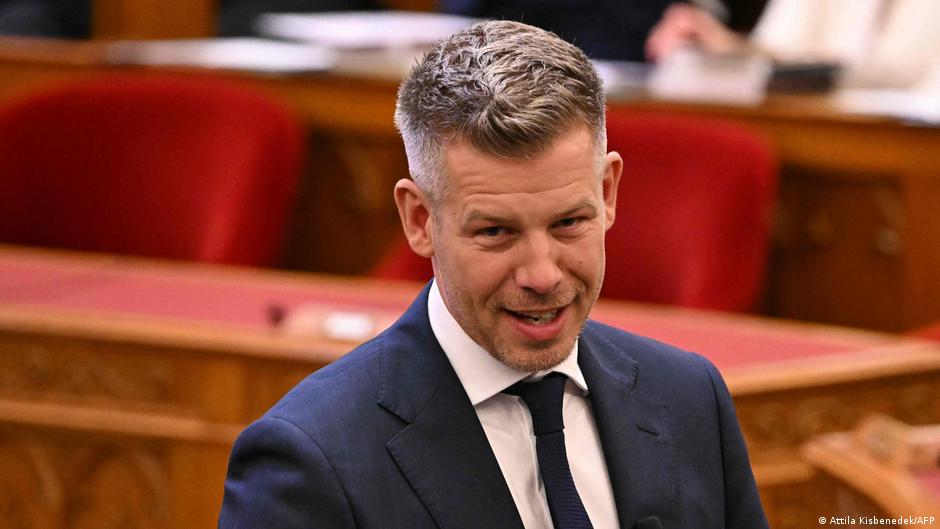
Hungary's newly appointed Prime Minister, Péter Magyar, announced on May 22 the government's decision to reinstate the ban on Ukrainian agricultural imports. This import restriction had lapsed unintentionally due to procedural oversights following a change in government, prompting swift remedial action by Budapest. Concurrently, Hungary has retracted its withdrawal from the International Criminal Court (ICC), signaling a recalibration of its international legal commitments.
Historical Context and Economic Implications of the Import Ban
The original ban on Ukrainian agricultural products was implemented in April 2023 under Viktor Orbán’s government as part of emergency economic measures. It targeted roughly 20 categories of goods, including beef, pork, poultry, eggs, grain, flour, and key oils such as sunflower and rapeseed oils. The ban was intended to shield Hungarian farmers from surging Ukrainian imports following the European Union’s 2022 decision to abolish tariffs on Ukrainian agricultural goods in response to Russia's invasion. This EU move aimed to bolster the Ukrainian economy but precipitated discontent among farmers in neighboring countries, who faced intensified competition.
In Hungary, the agricultural sector is a significant component of the economy and a vital source of employment. The temporary lifting of the ban—which took effect on May 14, 2026, due to a "legislative error" amid governmental transition—raised concerns about market destabilization and income risks for domestic producers. The swift restoration of the ban underscores the government’s prioritization of agricultural protectionism to preserve rural livelihoods and domestic food security.
"The authorities will not allow Ukrainian imports to threaten the livelihoods of Hungarian farmers," stated Agriculture Minister Sabolcs Bona, emphasizing the government’s commitment to safeguarding its agricultural sector from external economic pressures.
Beyond immediate protectionism, Hungary’s move reflects deeper structural challenges faced by EU member states bordering Ukraine. The tariff-free agricultural trade regime, while politically motivated to support Ukraine, creates trade distortions that exacerbate economic tensions within the single market. Hungary’s reinstatement of the ban illustrates the balancing act between solidarity with Ukraine and protecting national economic interests.
Reversal on International Legal Stance: ICC Withdrawal Withdrawn
In a notable diplomatic development, Prime Minister Magyar announced the withdrawal of Hungary’s previous statement to exit the ICC. The initial decision, made by the former government in April 2025, was controversial, especially as it coincided with the visit of Israeli Prime Minister Benjamin Netanyahu, who was subject to an ICC arrest warrant. Hungary's reversal restores its commitment to the Rome Statute, which it signed in 1999 and ratified in 2001, reaffirming its alignment with EU norms and international legal frameworks.
The ICC, based in The Hague, investigates grave crimes such as genocide, war crimes, and crimes against humanity. Hungary's attempted exit had raised concerns over the politicization of justice and adherence to international obligations. The retraction indicates a strategic recalibration, possibly influenced by internal political shifts and external diplomatic pressures.
Broader Economic and Political Consequences
Hungary’s recent policy reversals—both on agricultural imports and international legal commitments—highlight the complex interplay between domestic economic imperatives and international relations. The agricultural import ban illustrates the challenges EU countries face in harmonizing internal market policies with geopolitical solidarity during conflict-induced disruptions.
Moreover, this case reflects a historical parallel with past EU internal trade conflicts when external shocks forced member states to adopt protective measures, which later required political negotiation and compromise. The agricultural sector’s vulnerability to rapid policy shifts reinforces the need for long-term structural adjustments in regional trade frameworks and agricultural competitiveness.
Hungary’s actions will likely influence neighboring countries' policies and may prompt discussions within the EU on balancing support for Ukraine with the economic stability of member states’ farming communities. This episode serves as a case study on how geopolitical crises can produce unintended economic consequences, necessitating nuanced and flexible policy responses.