Income Inequality Widens in Germany Amid Soaring CEO Salaries and Stagnant Worker Wages
Oxfam reports that German DAX 40 CEOs’ pay increased 56% since 2019, while average employee wages remain below pre-pandemic levels, highlighting structural economic divides.
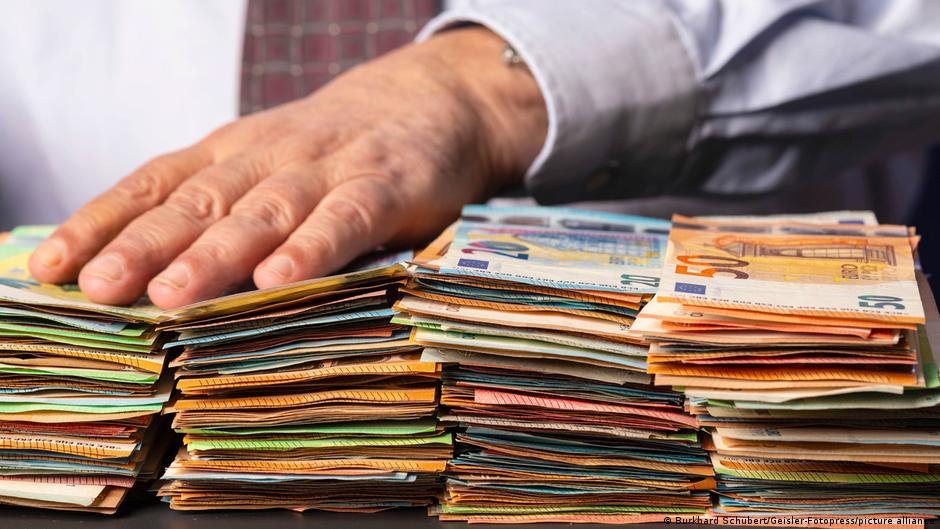
Income inequality in Germany has continued to deepen, with a pronounced surge in executive salaries contrasting sharply against stagnating or declining wages for ordinary employees. This trend reflects broader global economic patterns exacerbated since the onset of the COVID-19 pandemic.
Surging CEO Compensation vs. Worker Wage Stagnation
According to an analysis by the international charity coalition Oxfam, the remuneration of 25 chief executive officers from Germany’s DAX 40 index companies increased by an extraordinary 56% compared to 2019. Average CEO pay climbed from approximately €4.5 million to nearly €7 million annually. This growth starkly contrasts with the situation for typical workers, whose wages—in inflation-adjusted terms—remain slightly below pre-pandemic levels.
Globally, CEO salaries adjusted for inflation grew by 54% between 2019 and 2025, rising from an average of $5.5 million (€4.7 million) to $8.4 million (€7.1 million). In stark comparison, real wages for average workers fell by 12% during this period. To match a single CEO’s annual pay, a typical employee would need to work roughly 490 years.
"This growing inequality poses a threat to our democracy," Oxfam stated, emphasizing the societal risks of such economic disparities.
Despite persistent inflationary pressures, the purchasing power of many German households remains below 2019 levels. The recent surge in energy and food costs has disproportionately burdened ordinary workers and families, while top executives see their compensation soar. Oxfam highlighted the widening disconnect between corporate leaders and the financial realities faced by the broader population.
Implications for Economic and Social Stability
This divergence in income growth threatens to exacerbate social inequality and undermine democratic cohesion. The concentration of wealth among a small elite of executives and billionaires, such as nearly 1,000 billionaires analyzed by Oxfam who collectively received $79 billion (€67 billion) in dividends in 2025 alone, underscores systemic imbalances.
Compounding concerns, billionaires often benefit from lower tax rates than ordinary employees, intensifying calls for reforms. Oxfam recommends that Berlin implement policies to raise taxes on the ultra-rich at both national and global levels. Furthermore, the organization advocates establishing a minimum wage of at least €15 per hour to curb further social disparities.
Broader Economic Challenges Amid Geopolitical Tensions
Germany’s economic landscape is also affected by external shocks. The ongoing conflict involving the United States, Israel, and Iran is forecasted by the Munich-based ifo Institute to reduce Germany’s GDP growth by at least 0.2 percentage points. Rising oil and gas prices and supply chain disruptions—such as German shipping companies needing to reroute around the Persian Gulf—are increasing transportation costs and delays.
Heightened global uncertainty further dampens economic prospects, illustrating how structural inequality and external vulnerabilities intertwine. These dynamics point to the urgent need for policy responses that address both internal disparities and external risks.
As Germany navigates post-pandemic recovery amid geopolitical upheaval, the widening income gap signals deep-rooted challenges. Without targeted interventions, growing economic polarization may undermine social cohesion and democratic stability in Europe’s largest economy.