Italy and Germany Express Concern Over Israel’s Interception of Gaza Aid Flotilla
European governments stress adherence to international law amid Israeli naval blockade enforcement against humanitarian aid convoy to Gaza.
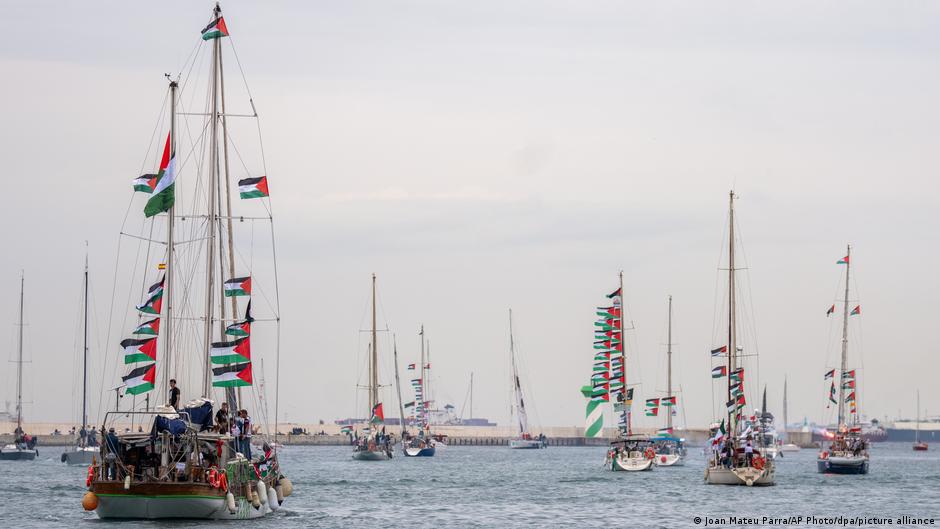
Italy and Germany have jointly voiced serious concerns following Israel's interception of a humanitarian aid flotilla headed towards the Gaza Strip. The two countries underscored the importance of strict compliance with international law and called for restraint from any irresponsible actions that could escalate tensions.
The incident involved the Global Sumud Flotilla, a coalition of over 20 vessels carrying humanitarian supplies intended for Gaza. The flotilla was halted in international waters near the Greek island of Crete during the night of April 29-30. Israeli naval forces detained dozens of activists onboard several ships, while some vessels continued their journey within Greece’s territorial waters along Crete’s coastline.
Context and Economic Implications of the Gaza Blockade
The Israeli naval blockade of Gaza has been in place since 2007 and is also supported by Egypt. It restricts maritime access to the Palestinian enclave, which has severe implications for the region’s economy and humanitarian conditions. The blockade limits the import of goods, including essential humanitarian aid and construction materials, thereby constraining economic development and worsening living standards.
The Global Sumud Flotilla's stated objective is not only to deliver aid but also to advocate for the establishment of a permanent humanitarian corridor into Gaza. This would potentially ease the flow of goods into the territory, offering some relief to the economic stagnation caused by the blockade.
"We call for absolute respect for current international law and urge all parties to refrain from irresponsible actions," the joint statement from Rome and Berlin declared.
The flotilla’s attempt echoes past efforts by international and pro-Palestinian activists to challenge the maritime restrictions. Notably, in August 2025, Swedish environmental activist Greta Thunberg confirmed her participation in a similar aid convoy organized by Global Sumud Flotilla, emphasizing the urgency of opening humanitarian corridors to facilitate aid delivery to Gaza.
Complicating the situation further, the geopolitical landscape around Gaza remains volatile. A ceasefire agreement, brokered in October 2025 with U.S. mediation, aimed to stabilize the region following recent conflicts between Israel and Hamas. The plan included phased governance transfer initiatives managed initially by a National Committee pending readiness of the Palestinian National Authority to assume control.
The economic consequences of the persistent blockade and recurrent conflicts have been profound. Gaza’s limited access to international markets, coupled with restrictions on imports and exports, has led to high unemployment rates, deteriorating infrastructure, and dependence on international aid. Disruptions in aid delivery, such as those seen with the flotilla interception, exacerbate these challenges, underlining the need for sustainable solutions that balance security concerns with humanitarian and economic imperatives.
As Italy and Germany reaffirm their commitment to international legal norms and humanitarian principles, the broader question remains how to reconcile security policies with the pressing economic and social needs of Gaza’s population. The current dynamics illustrate the complex interplay between geopolitical strategies and economic realities in one of the most protracted conflicts of recent decades.