Iran Restores Missile Stockpiles Amid Conflict with Possible Russian Arms Transfers
Iran has replenished much of its missile arsenal during ceasefire, potentially aided by recent Russian weapon deliveries, Bloomberg reports.
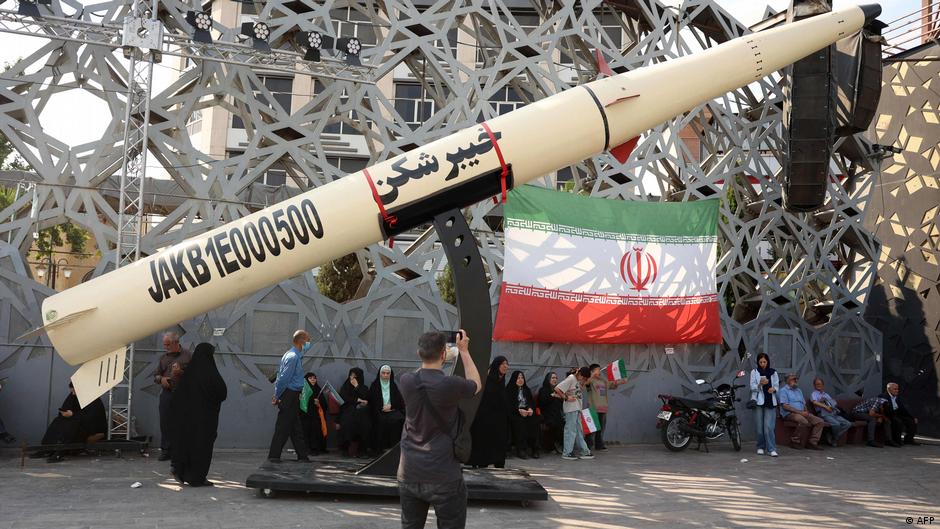
Recent intelligence assessments indicate that Iran's missile capabilities have largely recovered despite ongoing regional tensions and military confrontations involving the United States and Israel. According to a Bloomberg report citing unnamed Western intelligence sources, Iran has replenished approximately three quarters of its pre-escalation missile inventory since the start of the conflict escalation earlier this year. This recovery suggests significant resilience in Iran's military-industrial capacity and raises questions about the strategic implications of alleged arms transfers from Russia.
Ceasefire as a Strategic Opportunity for Replenishment
The Bloomberg report highlights that the eight-week ceasefire period between Iran and the United States was utilized by Tehran not only to restore existing missile stocks but also to integrate new weapon systems. Notably, some of these weapons are reportedly Russian-made missiles produced within the last year. This development implies active engagement between Iran and Russia in arms provision, despite international sanctions and geopolitical frictions.
"Iran has leveraged the ceasefire to ensure sufficient firepower for a near full-scale retaliatory strike if hostilities resume," intelligence sources told Bloomberg.
The timing and nature of these transfers are crucial. While Russia has not publicly confirmed any arms shipments, the presence of recently manufactured Russian missiles in Iranian stockpiles underscores the complexity of global arms flows amid conflict. This also reflects historical patterns where regional conflicts have been sustained or prolonged through external military support, affecting the balance of power and complicating diplomatic resolutions.
Assessing the Scale of Iran’s Military Resilience
US President Donald Trump had earlier estimated that Iran’s missile arsenal was reduced to about 21-22% of its pre-conflict levels after US and Israeli strikes, a significant depletion compared to mid-March estimates of 60%. However, the new intelligence suggests a substantial rebound. Analysts attribute this not only to production capabilities but also to strategic logistics operations, such as clearing and reactivating missile storage facilities previously buried under debris from attacks.
Kelly Grillo, a senior fellow at the Stimson Center, emphasizes that Iran’s ability to manufacture low-cost Shahed drones remains largely intact, enabling frequent operational use in conflict theaters. The combination of replenished missile stocks and robust drone production presents a multifaceted threat that complicates US and allied military planning.
Geopolitical and Economic Implications
The reported arms replenishment occurs against a backdrop of tense negotiations and fluctuating diplomatic narratives. While US officials have repeatedly suggested an imminent peace agreement, Iranian authorities have dismissed claims of any near-term deal, underscoring the uncertainty surrounding conflict resolution timelines.
The strategic significance of the Strait of Hormuz, a vital global oil transit route, adds another layer of economic risk. US statements linking potential agreements to the reopening of this maritime corridor reflect the broader stakes of the conflict, potentially impacting global energy markets and supply chains.
From an economic lens, the persistence of military tensions fueled by external arms supplies may prolong instability in the Middle East, hindering investment, trade, and development in the region. The continuation of hostilities and arms buildups contributes to a volatile environment that affects global commodity prices and international economic forecasts.
Historical Parallels and Structural Consequences
The Iran case echoes historical instances where regional conflicts have been sustained through arms transfers from external powers, prolonging warfare and complicating diplomatic efforts. The involvement of Russia in potentially augmenting Iran’s military capabilities reflects broader geopolitical contestation reminiscent of Cold War proxy dynamics.
Structurally, such dynamics can entrench conflict, impair regional economic integration, and incentivize arms races that divert scarce resources from social and economic development. For global actors, understanding these patterns is critical to formulating effective policies that address not only immediate security concerns but also long-term economic stability and peace prospects.