Israel Detains Vessels from Global Sumud Flotilla Attempting Gaza Aid Delivery
Israeli naval forces intercept flotilla ships bound for Gaza amid ongoing maritime blockade, raising complex economic and humanitarian challenges.
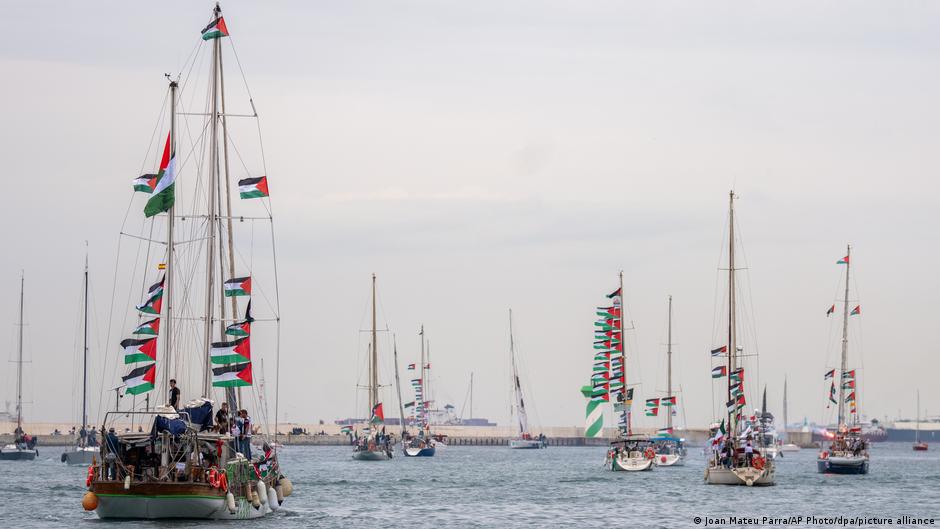
On April 30, Israeli naval forces detained several vessels belonging to the Global Sumud Flotilla, a group attempting to deliver humanitarian aid to the Gaza Strip. The flotilla, which set sail from a Sicilian port earlier in April, aimed to challenge the longstanding Israeli maritime blockade imposed on Gaza since 2007. Communication with some of the flotilla's boats was reportedly lost, with distress signals sent before interception.
Context and Historical Background of the Gaza Maritime Blockade
The Israeli-led naval blockade of Gaza, supported by Egypt, has been a critical and controversial element of the region's complex geopolitical landscape since 2007. Established following Hamas' takeover of Gaza, the blockade is intended as a security measure to prevent arms smuggling and attacks on Israel. However, it has also severely restricted the import of goods, impeding the Gaza economy and humanitarian conditions.
“Currently, Israeli armed forces are enforcing a maritime blockade on Gaza,” Global Sumud Flotilla declared, underscoring the continuing enforcement of this policy despite international criticism.
The Global Sumud Flotilla’s recent attempt represents the largest such humanitarian convoy aiming to breach this blockade in years. The flotilla's stated goal includes the establishment of a permanent humanitarian corridor to allow sustained aid flows into Gaza, where economic stagnation and high unemployment have been exacerbated by limited access to imports and exports.
Economic Implications of the Flotilla Incident and the Blockade
The blockade has profound structural economic consequences. Gaza's reliance on imports for basic goods and reconstruction materials means that any disruption or tightening of the blockade further strains the enclave's fragile economy. Attempts like those of the Global Sumud Flotilla highlight the tension between security measures and economic humanitarian needs.
The repeated interruptions of aid convoys affect not only immediate relief efforts but also longer-term development prospects. The inability to establish reliable humanitarian corridors reinforces economic isolation, which has historically contributed to poverty and social instability in Gaza.
Moreover, the interplay between political agreements and economic conditions remains fragile. The October 2025 ceasefire brokered under a U.S. administration plan, involving Israel, Hamas, and regional guarantors such as Turkey, Qatar, and Egypt, aimed at reducing hostilities and improving conditions through phased governance transfers. However, the enforcement of maritime restrictions continues to complicate the implementation of such agreements.
In January 2026, the White House announced the commencement of the second phase of this peace and stabilization plan, which envisions a National Committee taking administrative control of Gaza as a transitional authority before the Palestinian National Authority assumes full governance. This political framework reflects ongoing efforts to stabilize Gaza economically and politically, yet the maritime blockade remains a significant obstacle.
Environmental and Activist Perspectives
The involvement of prominent figures such as Swedish eco-activist Greta Thunberg, who confirmed participation in a similar flotilla campaign in August 2025, underscores the multifaceted nature of the flotilla's mission. These campaigns intertwine environmental activism, humanitarian advocacy, and political protest, drawing international attention to Gaza’s plight.
Thunberg and other activists have emphasized the necessity of opening humanitarian corridors not only to alleviate immediate suffering but also to enable sustained aid delivery capable of addressing systemic economic challenges in the Gaza Strip.
Conclusion
The detention of the Global Sumud Flotilla vessels by Israeli forces is a vivid illustration of the enduring conflict between security policies and humanitarian imperatives in Gaza. The maritime blockade's economic ramifications extend beyond immediate aid restrictions, influencing Gaza’s long-term development and stability.
Understanding this incident requires viewing it within the broader historical, political, and economic context, recognizing that any resolution hinges on balancing legitimate security concerns with the urgent humanitarian and economic needs of Gaza’s population.