Israel Launches Retaliatory Airstrikes on Iran Amid Rising Regional Tensions
Israeli air force targets Iranian sites following missile strikes from Tehran, as US pursues potential peace deal with Iran.
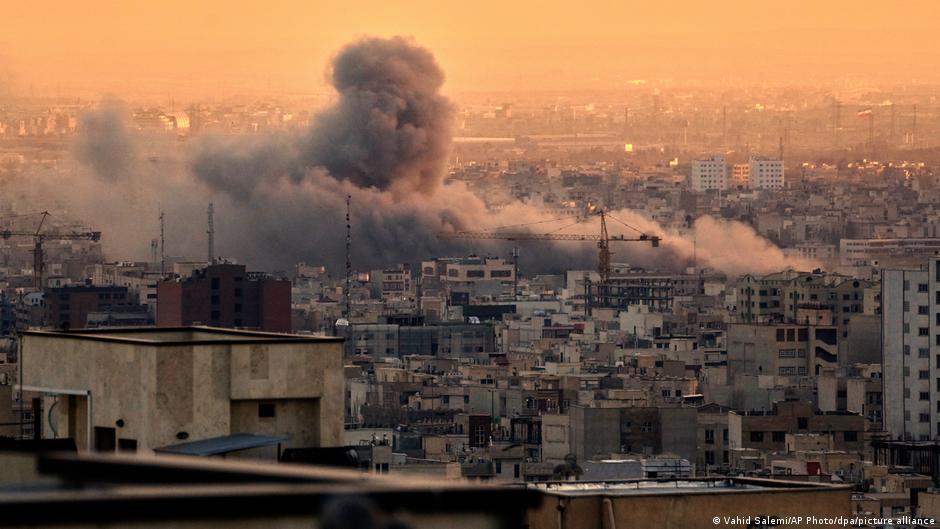
On June 8, the Israeli Defense Forces (IDF) reported conducting aerial attacks on targets located in western and central Iran. This escalation comes after missile attacks launched by Iran against Israeli territory the previous evening. The specific targets of the Israeli strikes have not been disclosed.
The missile attacks from Iran prompted emergency measures within Israel, including public shelter advisories and nationwide school closures, underscoring the heightened security concerns in the region.
Context of Escalation and Regional Implications
The immediate backdrop to these events involves a complex cycle of retaliatory strikes. Earlier on the same day as the Iranian missile attack, Israel targeted a Hezbollah stronghold in Lebanon, describing the operation as aimed at "terrorist headquarters" in Beirut. Tehran labeled Israel's actions as a "warning," highlighting the fragile and volatile nature of conflict dynamics in the Middle East.
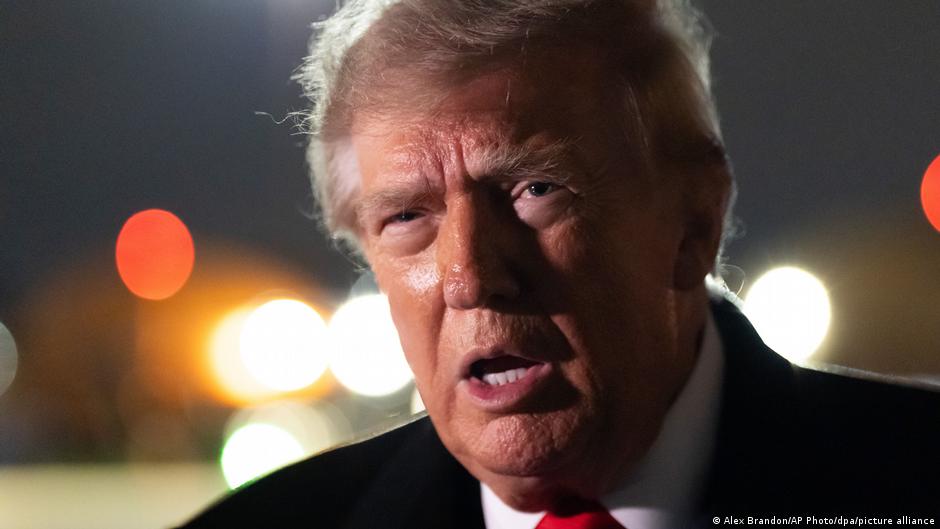
"All decisions are mine. Netanyahu does not make decisions," stated US President Donald Trump, emphasizing his control over American policy regarding Israel and the broader region.
These hostilities unfolded in parallel with diplomatic overtures from the United States. President Donald Trump, in an interview with the Financial Times on June 7, expressed optimism about brokering a peace agreement with Iran. Trump indicated his expectation that Israeli Prime Minister Benjamin Netanyahu would accept any deal that met Washington's criteria, which notably include Iran's cessation of nuclear weapons development.
Reports from May indicated progress toward a framework agreement aimed at resolving the ongoing conflict that has persisted since late February. However, President Trump has yet to endorse any deal fully, signaling that the US demands strict compliance with its conditions before any formal agreement is reached.
Iranian authorities have also maintained their stance that no final comprehensive agreement has been achieved, suggesting continued uncertainties in the diplomatic process.
Economic and Structural Consequences of the Conflict
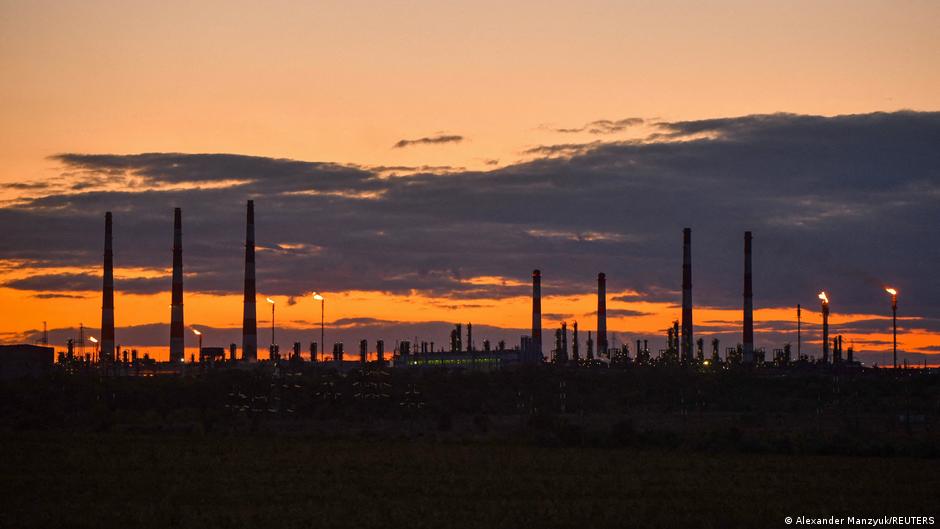
The renewed military engagements between Israel and Iran carry significant economic implications, both regionally and globally. The Middle East's critical role as a hub for energy production means that escalations can disrupt oil supply chains, potentially leading to increased global energy prices and economic volatility.
Moreover, the military expenditures required to sustain such conflicts impose heavy burdens on national budgets, diverting resources away from development and social welfare. For Iran, under existing international sanctions, the compounded costs could further strain an already fragile economy.
Historically, protracted conflicts in the region have inhibited foreign investment and economic integration, perpetuating cycles of instability. The credibility of diplomatic initiatives, such as the potential US-Iran peace agreement, can significantly influence investor confidence and regional economic prospects.
As the situation evolves, the interplay between military actions and diplomatic efforts will likely shape the structural economic trajectories of both countries and the wider Middle East. Sustained conflict risks entrenching fragmentation, while progress toward peace could open avenues for economic stabilization and growth.