June 2026 Marks Deadliest Month for Ukrainian Civilians Since Russian Invasion
UN data reveals a rising trend in civilian casualties in Ukraine, with June recording the highest deaths since the conflict began.
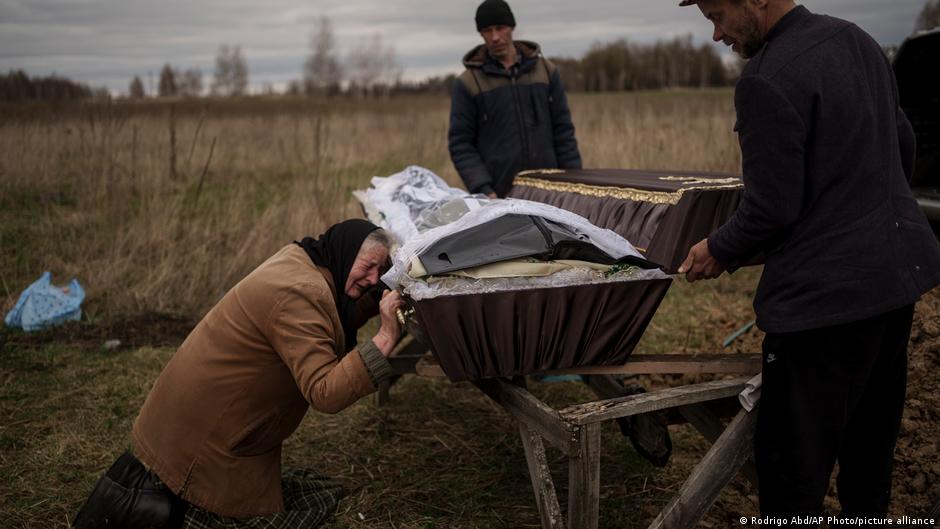
June 2026 emerged as the deadliest month for civilians in Ukraine since the onset of Russia's full-scale invasion, according to recent United Nations data presented at the Security Council meeting on July 9. This marks the third consecutive month of increasing civilian casualties, underscoring a persistent escalation in the human cost of the conflict.
Escalation of Civilian Casualties Amid Ongoing Conflict
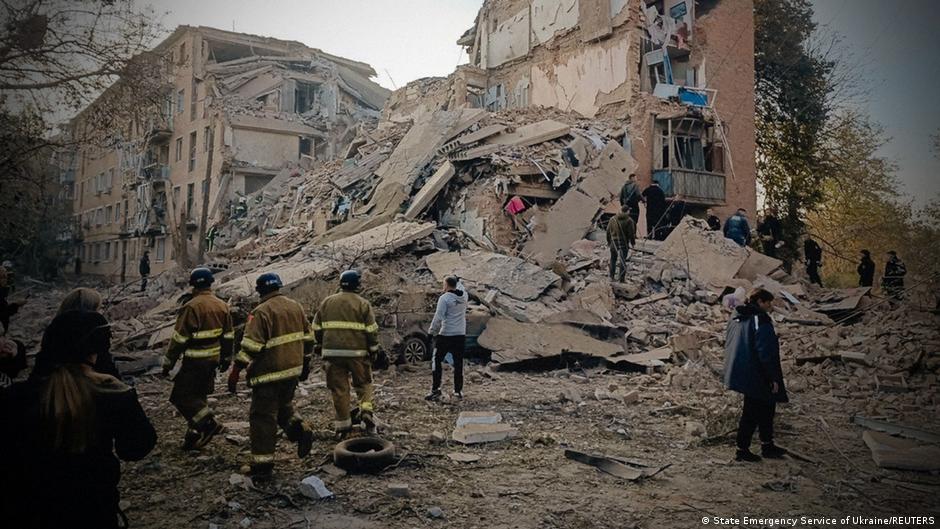
Rosemary DiCarlo, the UN Under-Secretary-General for Political and Peacebuilding Affairs, reported that in June alone, at least 265 civilians were killed and 1,816 injured as a result of Russian attacks. While preliminary figures indicate a slight decrease compared to May’s 274 deaths, DiCarlo cautioned that these numbers could rise as further information becomes available.
Since the beginning of Russia’s large-scale military campaign against Ukraine over four years ago, the UN has documented at least 16,402 civilian deaths, including 802 minors, and approximately 48,428 injuries. These figures illustrate the severe and sustained impact of the conflict on Ukraine's non-combatant population.
"The pattern of Russian strikes targeting urban centers continues, with attacks in early July alone causing dozens of civilian casualties," DiCarlo stated, highlighting a clear and disturbing trend in the conflict’s conduct.
In July, the trend has shown no signs of abating. Attacks on July 2, 6, and 8 struck various Ukrainian cities, resulting in dozens of fatalities. In just the first week of July, at least 93 civilians lost their lives, with over 500 injured. These figures were confirmed by Sanita Pavluta-Deslande, Latvia’s Permanent Representative to the UN.
Seasonal Trends and Structural Implications
The UN has noted a consistent pattern of rising civilian casualties during spring and summer months since the conflict began. However, 2026 figures are significantly higher than in previous years, marking a troubling intensification of violence during these seasons.
This seasonal escalation reflects broader structural characteristics of the conflict — intensified military operations during months with favorable weather conditions and strategic offensives targeting urban and civilian infrastructure. The persistence of high civilian casualties signals deepening humanitarian crises and challenges for post-conflict recovery and reconstruction.
These trends also raise critical questions about conflict dynamics, the effectiveness of international protections for civilians, and the strategic calculus of the belligerent parties. The scale and continuity of civilian suffering point toward a protracted conflict with severe societal and economic consequences for Ukraine.
In response to these developments, DiCarlo called for an immediate and unconditional ceasefire, emphasizing the necessity of a just, lasting, and comprehensive peace in accordance with the UN Charter, international law, and relevant UN resolutions.
"The continuation of hostilities and the resulting civilian toll threaten not only Ukraine’s stability but also regional and global security," she remarked, underscoring the urgency of diplomatic efforts to resolve the conflict.
Historical Parallels and Economic Consequences
Historically, protracted conflicts with sustained civilian targeting often lead to long-term economic degradation, population displacement, and structural damage to national institutions. Ukraine’s increasing civilian toll signals potential parallels with other 20th and 21st-century conflicts where urban centers became battlegrounds, resulting in profound social and economic disruptions.
The rising civilian casualties also foreshadow significant economic consequences, including labor force reduction, increased healthcare burdens, and worsened infrastructure damage. These factors combined could hamper Ukraine's post-war economic recovery and development, making reconstruction efforts more costly and complex.
As the conflict continues, monitoring these human and economic indicators becomes essential to understanding the broader impacts of the war and informing international policy responses aimed at crisis mitigation and future rebuilding.