Saratov Refinery Halts Operations After Drone Strikes Amid Russia’s Fuel Shortage
Ukrainian drone attacks have forced the indefinite shutdown of a key Russian refinery, deepening structural fuel supply challenges.
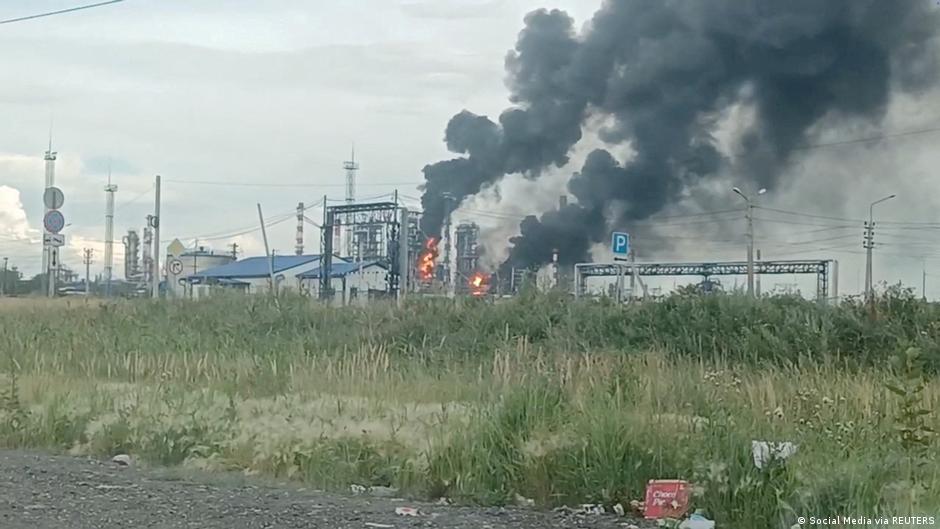
The Saratov oil refinery in Russia has ceased operations indefinitely following damage caused by Ukrainian drone strikes, Reuters reports. The incident marks the latest disruption to Russia’s refining capacity amid ongoing fuel shortages across the country.
Impact on Russia’s Refining Infrastructure and Fuel Market
According to unnamed sources cited by Reuters, the drones targeted the refinery’s primary crude distillation unit, CDU-6, which processes up to 20,000 tonnes of crude oil daily. This unit is unique at the facility, making the hit particularly damaging.
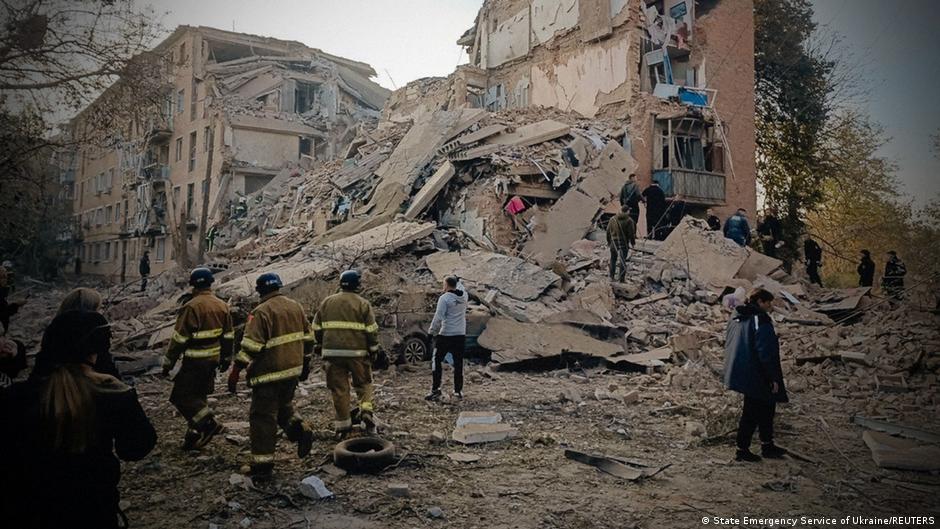
Roman Busargin, Governor of Saratov Region, confirmed damage to "civilian infrastructure" caused by the drone attack on July 8 but did not provide specifics. The General Staff of Ukraine’s Armed Forces stated that the strike targeted the Rosneft-owned Saratov refinery, which has been subjected to multiple attacks since the full-scale conflict escalated.
Rosneft declined to comment on the situation.
"The ongoing drone attacks have removed a significant share of Russia’s refining capacity from operation, with cascading effects on fuel availability and regional economic stability."
In the first half of 2026, at least 13 refineries across Russia have fully or partially halted operations due to Ukrainian drone strikes, according to an analysis by Novaya Gazeta Europe. Collectively, these disruptions have reduced Russia's oil processing capacity by approximately 25% and cut gasoline and diesel production by roughly 30%.
The timelines for resuming operations vary. For example, the refinery in Kapotnya near Moscow, hit in mid-June, is not expected to fully resume until at least December, illustrating the protracted nature of these impacts.
Broader Economic and Structural Consequences
The shutdown of major refineries has precipitated a fuel shortage affecting roughly 50 million Russians—about 35% of the population—according to calculations published by the Financial Times. This figure is based on vehicle ownership estimates per region, highlighting the widespread nature of the crisis.
In response, regional authorities and fuel suppliers have imposed gas sales restrictions in most Russian regions as of early July. Emergency readiness measures have been declared in areas such as Zabaykalsky Krai, Penza, and Irkutsk Oblasts. Additionally, Russia has banned diesel fuel exports until at least July 31, expanding previous export restrictions that had applied only to distributors since late January 2026.
Deputy Prime Minister Alexander Novak stated that Russian refiners have maximized utilization of operational plants, released previously stockpiled fuel to the market, shortened maintenance periods, postponed scheduled repairs, and leveraged medium and smaller refineries to mitigate supply disruptions.
These adjustments, while necessary, underscore deeper structural vulnerabilities in Russia’s oil refining infrastructure. The reliance on a limited number of large-scale refineries, many concentrated in strategic regions, leaves the system susceptible to targeted disruptions.
Historically, energy infrastructure has been a critical economic and geopolitical asset in Russia, supporting both domestic consumption and export revenues. The current attacks represent a strategic effort to undermine this foundation, with direct implications for Russia’s economic stability, regional fuel markets, and broader energy security policies.
As the conflict persists, Russia faces the challenge of fortifying its refining capacity against asymmetric threats while balancing short-term supply needs with long-term infrastructure resilience. The situation illustrates the intersection of modern warfare tactics with economic vulnerabilities and highlights the importance of diversified and decentralized energy infrastructure in maintaining national economic security.