Polish Ex-Justice Minister Flees Hungary for the US Amid Extradition Promises
After Hungary’s government pledged to extradite Polish officials sheltering under Orban, former Polish Justice Minister Zbigniew Ziobro relocated to the United States.
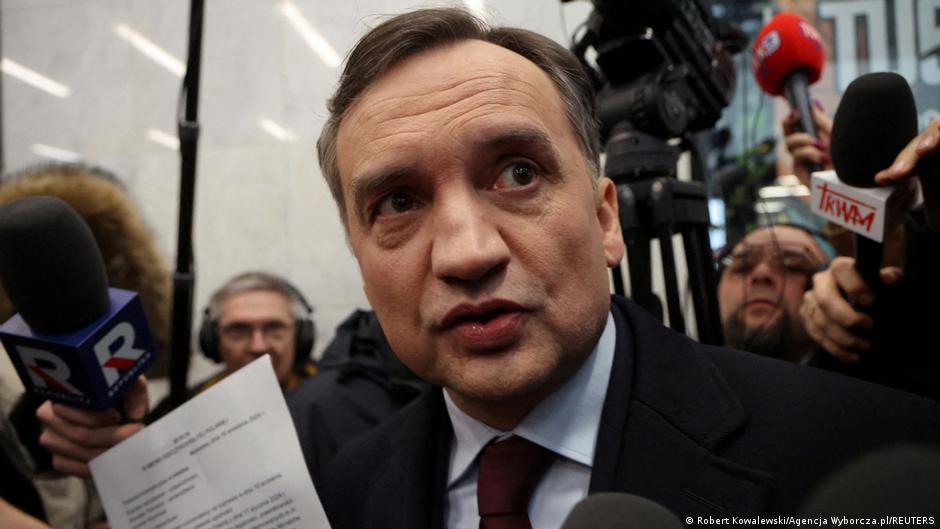
The recent flight of Zbigniew Ziobro, Poland's former Minister of Justice, from Hungary to the United States has raised significant questions about the evolving political and judicial dynamics between Poland, Hungary, and the US. This development comes amid Hungary’s new government under Prime Minister Péter Magyar, which has pledged to extradite Polish officials who previously found refuge under Viktor Orbán’s administration.
Context and Historical Parallels
During Viktor Orbán's tenure as Hungary’s prime minister, several Polish politicians facing legal scrutiny sought asylum in Hungary. Among them, Zbigniew Ziobro and his deputy Marcin Romanowski became symbols of the intricate political and legal entanglements between the two nations, both governed by right-wing conservative parties with close ties.
Poland accuses Ziobro of corruption, embezzlement, and abuse of power, including misappropriation of special funds intended for crime victims. Notably, investigations allege that Ziobro authorized the purchase of the Israeli Pegasus spyware, which was purportedly used to surveil political opponents during the Law and Justice (PiS) party’s rule from 2015 to 2023. This case is not isolated but forms part of a broader trend in Central and Eastern Europe, where judicial independence and political loyalty have often clashed.
"The extradition process through US courts is a complex procedure," Ziobro stated, signaling the difficulties ahead for Polish authorities seeking to bring him to justice.
Following Orbán's defeat and the rise of Péter Magyar, Hungary has shifted its stance, promising to cooperate with Poland in returning officials who fled legal accountability. However, Ziobro’s sudden move to the United States complicates this promise and introduces new geopolitical variables.
Structural Economic and Political Consequences
Ziobro reportedly entered the US on a work visa as a political commentator for the Polish right-wing conservative channel Republika, a move indirectly confirmed by the outlet. Some reports suggest that the visa issuance was personally approved by former US President Donald Trump, reflecting the close ties between Poland’s PiS party and the pro-Trump MAGA movement.
This episode underscores the increasingly transnational nature of political asylum and legal evasion among Eastern European elites. It also reflects how political alliances and ideological sympathies can influence immigration and asylum policies, with broader implications for international law enforcement cooperation.
From an economic perspective, the case highlights the challenges countries like Poland face when political instability and corruption allegations intersect with cross-border legal disputes. These issues potentially affect investor confidence, governance standards, and the rule of law—key factors in economic development and integration with Western institutions.
Furthermore, Hungary’s previous willingness to shelter politically persecuted figures may be seen as a strategic lever in its relations with neighboring countries, affecting regional cooperation and economic alignment within the European Union framework.
Poland’s Justice Minister Waldemar Żurek has announced that Poland will seek clarifications from both the US and Hungary regarding Ziobro’s border crossings without valid documents, emphasizing Warsaw’s commitment to securing his accountability. The ongoing saga reflects the complexities of democratic backsliding, the politicization of justice, and the intricate interplay between national sovereignty and international legal norms.
As Central Europe continues to grapple with these issues, the Ziobro case serves as a microcosm of broader structural challenges facing the region’s political economy, judicial independence, and international relations.