Lufthansa to Cut 20,000 Flights by 2026 to Save Aviation Fuel Amid Energy Crisis
Germany’s flagship carrier plans major flight cancellations to reduce fuel consumption amid rising energy costs linked to geopolitical tensions.
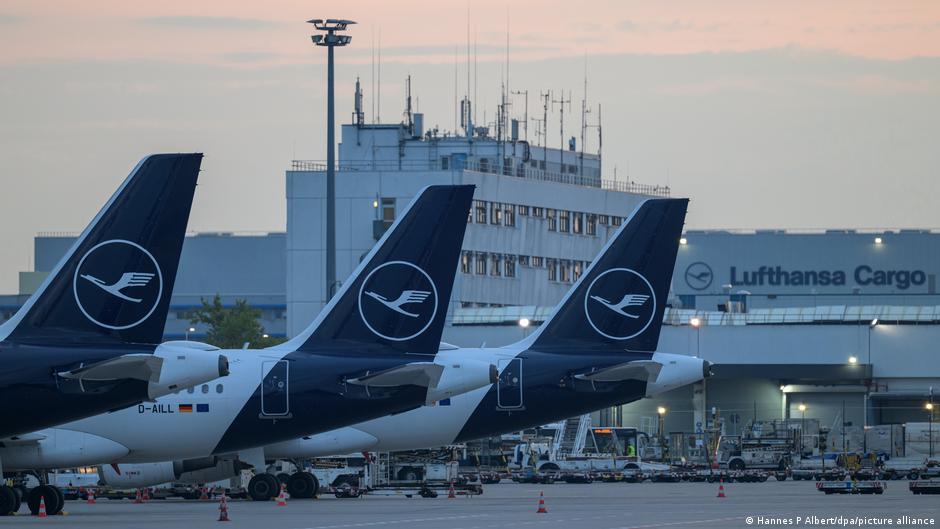
Facing soaring aviation fuel costs driven by geopolitical instability in the Middle East, Lufthansa has announced plans to cancel 20,000 flights from June through October 2026. The move aims to cut aviation fuel consumption by over 40,000 tonnes, reflecting broader structural shifts in the airline industry as it grapples with energy supply shocks.
Strategic Adjustments in a Volatile Energy Landscape
Lufthansa’s decision comes amid the ongoing energy crisis triggered by the conflict involving the US, Israel, and Iran. The European airline giant, which holds a dominant position in the continent’s aviation market, expects to see less than a one percentage point decline in operational efficiency—measured in available seat-kilometers—despite the extensive cancellations.
This will be achieved through a deliberate reallocation of capacity: discontinuing less profitable short- and medium-haul routes from primary hubs Frankfurt and Munich, while expanding flights from secondary hubs such as Zurich, Vienna, and Brussels. Even the sixth hub in Rome will experience adjustments.
Flights to be cut from June to October will be announced by the end of April, yet Lufthansa has already begun cancellations for flights scheduled through the end of May, including 120 daily flights as of April 20. Notable early cuts include routes from Frankfurt to Polish cities Bydgoszcz and Rzeszów, as well as Stavanger in Norway.
"By focusing on eliminating unprofitable routes and optimizing our hub network, we aim to significantly reduce fuel consumption without drastically compromising our service footprint," Lufthansa representatives stated.
In a complementary measure to improve cost efficiency, Lufthansa announced on April 16 the early retirement of all 27 Canadair CRJ aircraft operated by its loss-making subsidiary CityLine, citing escalating kerosene prices and labor disputes. Further fleet reductions will see the withdrawal of four Airbus A340-600 and two Boeing 747-400 long-haul aircraft by October, with plans to reduce available seat-kilometers in winter for the main Lufthansa brand.
Industry-Wide Responses to Energy and Geopolitical Pressures
Lufthansa’s fuel-saving strategy typifies the wider European aviation industry’s adaptation to the energy crisis. Scandinavian Airlines (SAS) plans to cancel around 1,000 flights in April, while Air France-KLM has imposed surcharges of up to 100 euros on long-haul tickets, including those already sold. Moldovan carrier FlyOne has also announced flight cancellations linked to fuel supply challenges.
The European Commission is expected to unveil an emergency plan on April 22 to address the energy crisis precipitated by Middle East hostilities, highlighting the broader economic ramifications beyond aviation.
These developments underscore the deep structural vulnerabilities faced by airlines reliant on fossil fuels in an era of geopolitical conflict and volatile energy markets. Flight cancellations, fleet rationalizations, and fare surcharges represent immediate tactical responses, but the industry’s longer-term sustainability will depend on accelerated innovation in fuel efficiency and alternative propulsion technologies.
As Lufthansa and its peers navigate this turbulent period, the balance between operational viability and environmental responsibility remains central. The strategic shifts currently underway may also foreshadow a reconfiguration of Europe’s aviation network, with secondary hubs gaining prominence as carriers optimize for fuel efficiency and market demand.