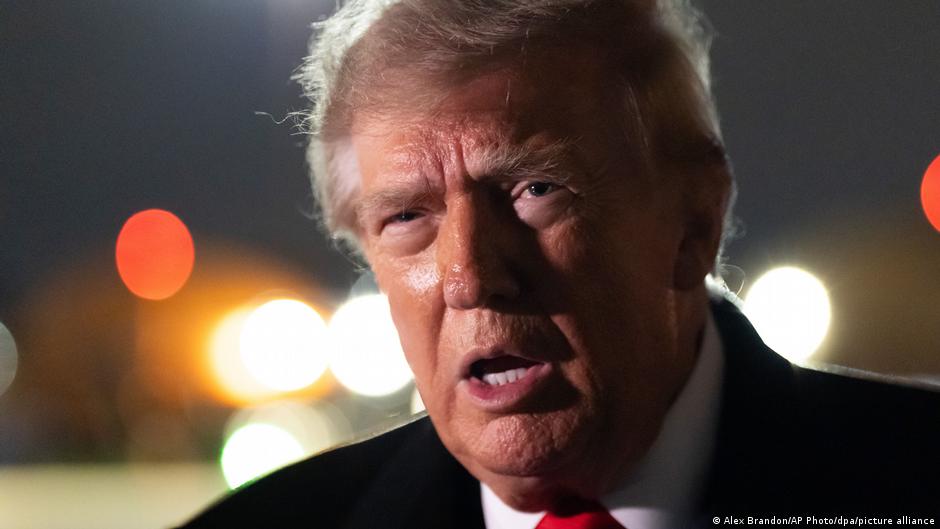
Trump Says U.S. Will Drop Tariff on Irish Whiskey After Ireland Visit
Trump said the United States will remove a 10 percent tariff on Irish whiskey, a move welcomed by Ireland’s whiskey industry.

Trump said the United States will remove a 10 percent tariff on Irish whiskey, a move welcomed by Ireland’s whiskey industry.

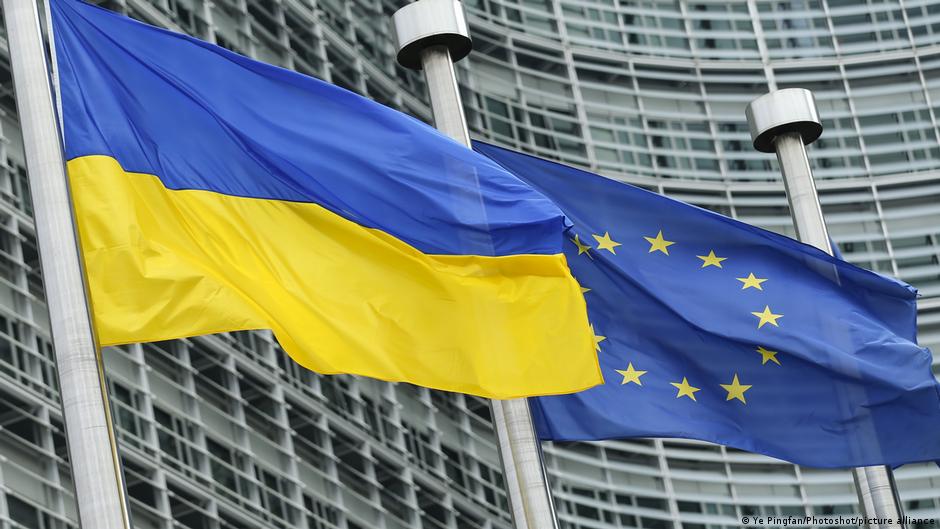
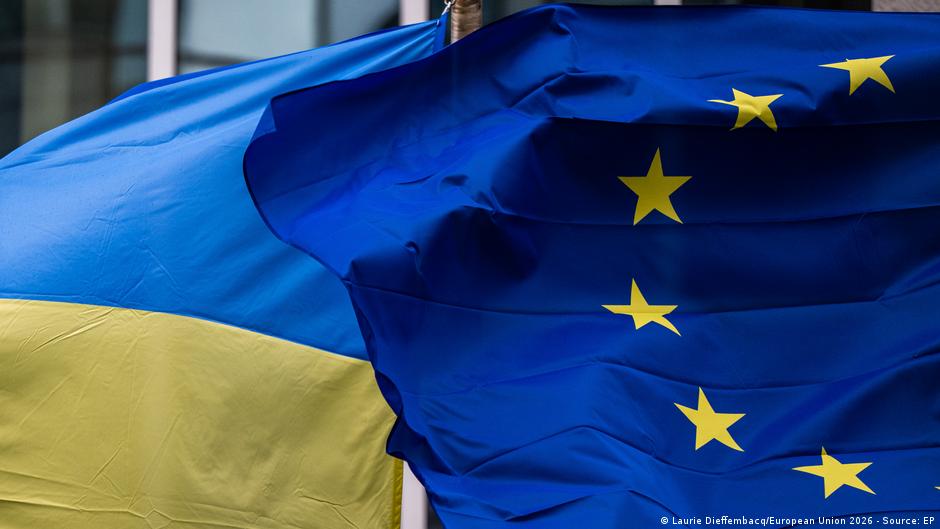
Canada is negotiating to join the EU’s €90 billion Ukraine loan as Ottawa seeks deeper European ties and less reliance on the U.S.

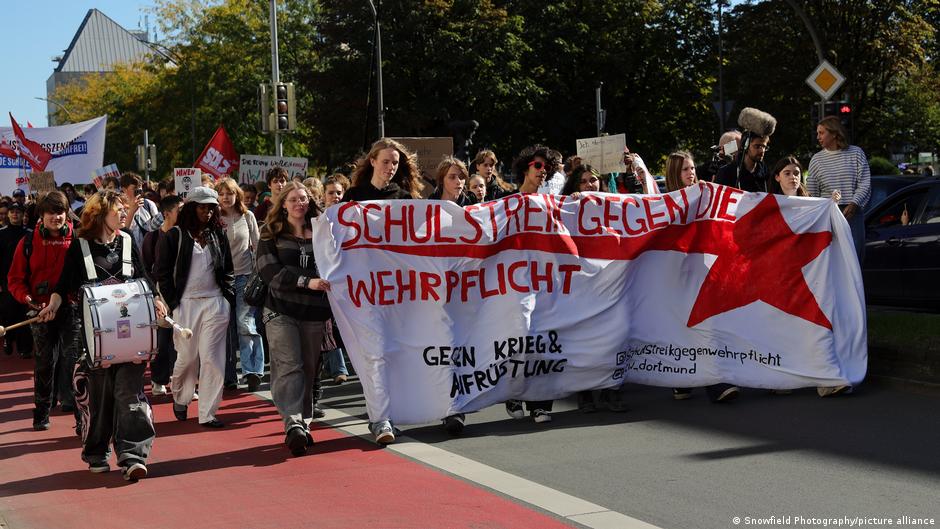
Mass protests across Germany against right-wing extremism show how the AfD debate is becoming an institutional and economic risk.

Russia is expected at G20 energy talks in Houston as wars, sanctions and Red Sea security risks complicate the economics of energy abundance.

The Houthi capture of Mocha strengthens their position near Bab el-Mandeb, raising risks for oil flows and global energy prices.

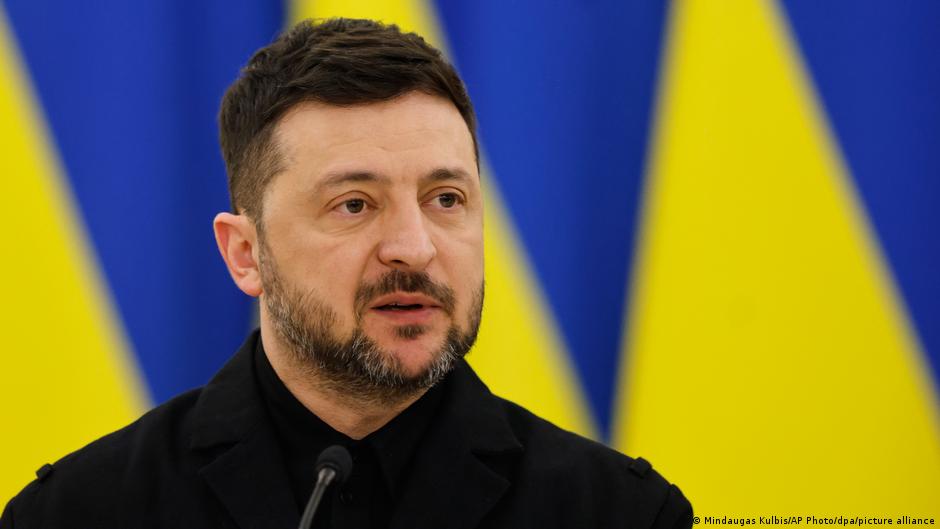
Zelensky expects late-September talks with a US delegation on grain exports, energy security and the economic pressures shaping diplomacy.

France warned CNews it could face criminal proceedings if former RT France chief Ksenia Fedorova returns to its programming by video link.

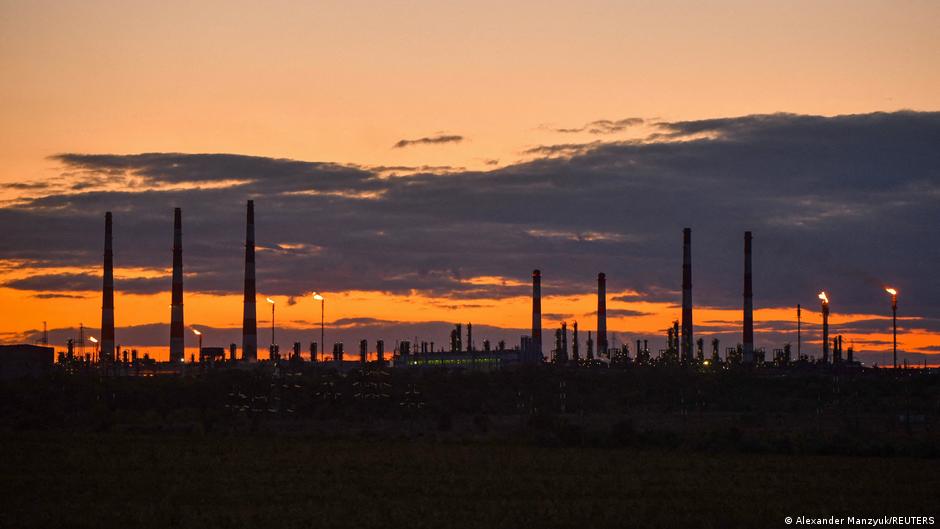
A first reported drone attack on Yamal-Nenets puts Russia’s Arctic gas infrastructure under new scrutiny as economic risks widen.

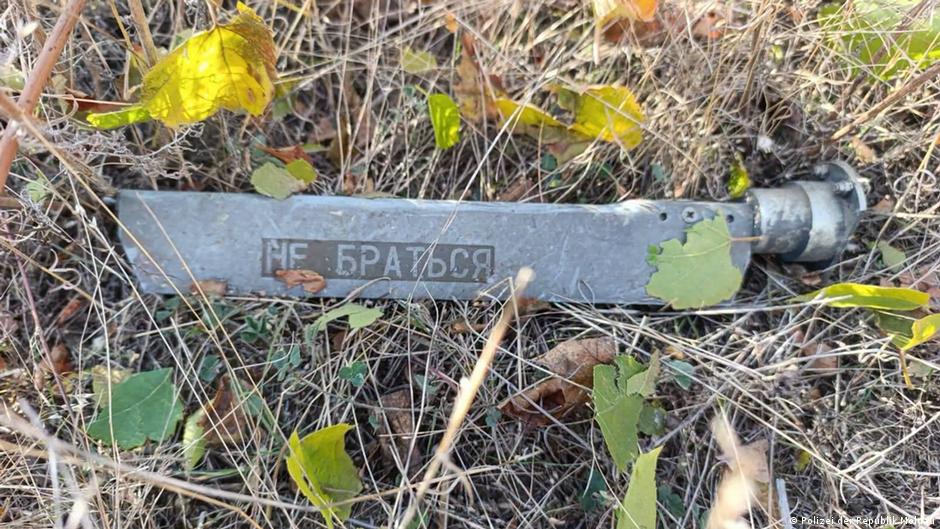
Norway says a drone threat over Moldova delayed Zelensky’s aircraft, underscoring the war’s widening economic and security spillover.

A reported drone attack on Novorossiysk sparked fires at a fuel oil terminal and housing block, exposing risks to a key Russian export hub.

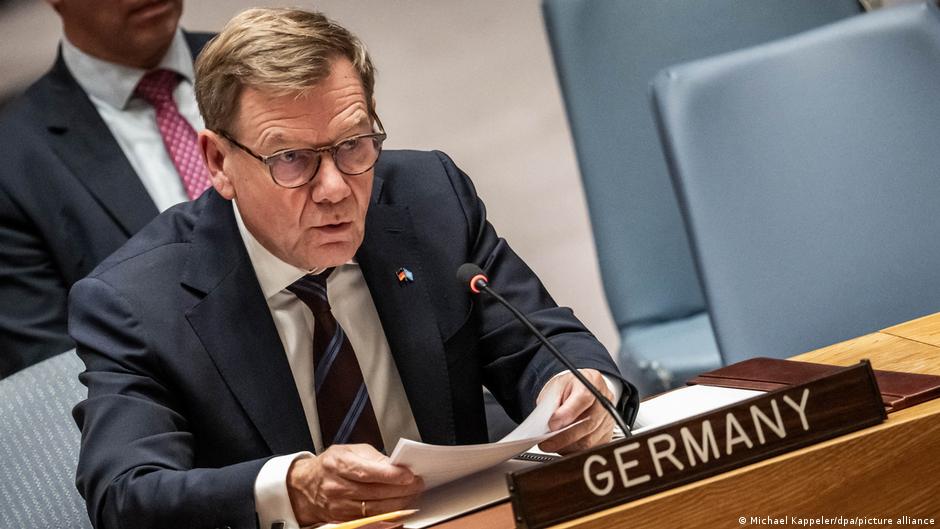
Germany’s foreign minister says Ukraine aid should also benefit German defense firms, linking support for Kyiv to industrial policy and taxpayer accountability.

Finland has completed a 200-kilometer fence on its Russian border, marking a structural shift in security, infrastructure and Schengen policy.

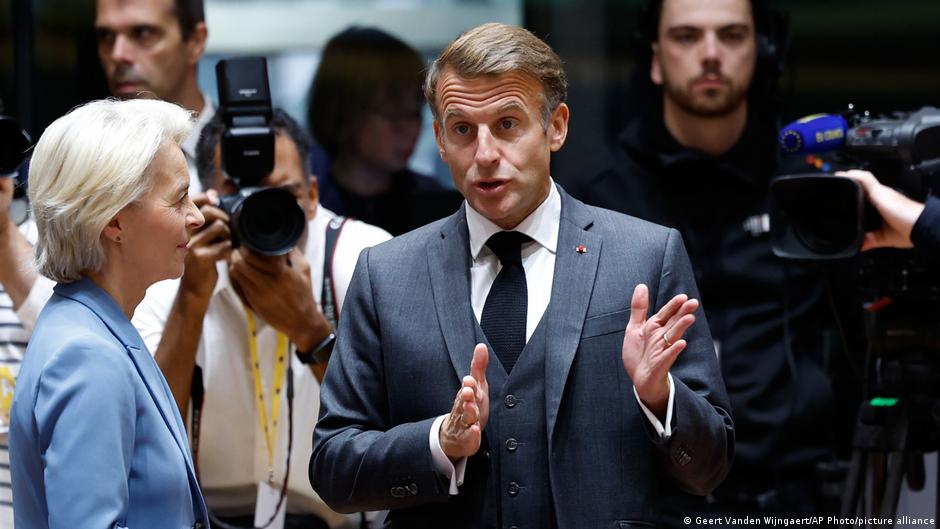
Macron is asking Brussels to craft an EU-wide ban on social media for children under 15 after France’s national law was blocked.

AfD’s projected win in Saxony-Anhalt drew sharp reactions from Poland, France and the Czech Republic, exposing wider European economic and political strains.

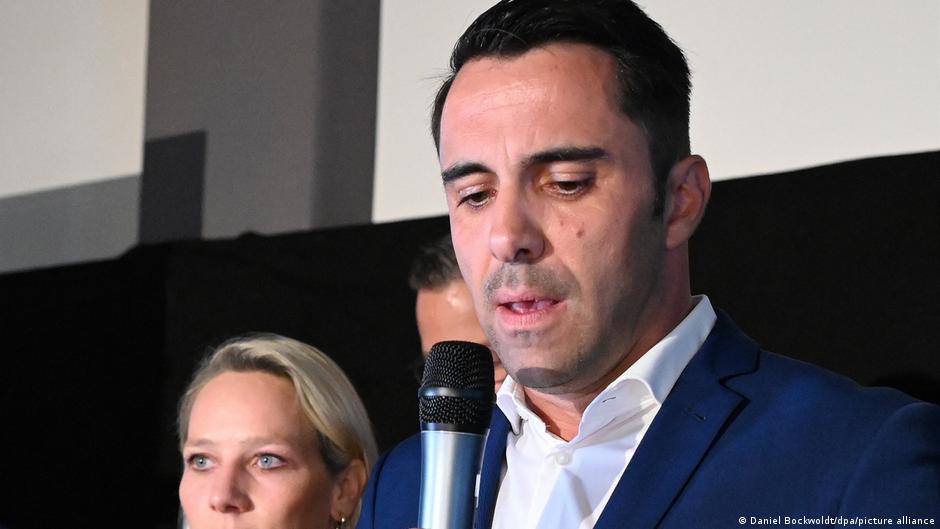
AfD’s 43.8 percent win in Saxony-Anhalt leaves no clear governing majority and raises major questions over energy, sanctions and eastern Germany’s economy.

Kaja Kallas cancelled an EU defence expert group after German and Italian resistance, exposing deeper disputes over Europe’s defence economy.

Germany plans a broad anti-sabotage shield after the Leipzig drone incident, with major implications for infrastructure, cyber defense and business costs.

US envoys discussed concrete Ukraine war proposals with Putin before Kyiv talks, but the economic stakes depend on details still undisclosed.

Latvia says a suspect in the Leipzig sabotage case had been living in Russia, deepening scrutiny of Europe’s logistics, visa and sanctions systems.

Volkswagen approved its biggest-ever restructuring, combining 50,000 job cuts, a halved model range and major investment to restore profitability.

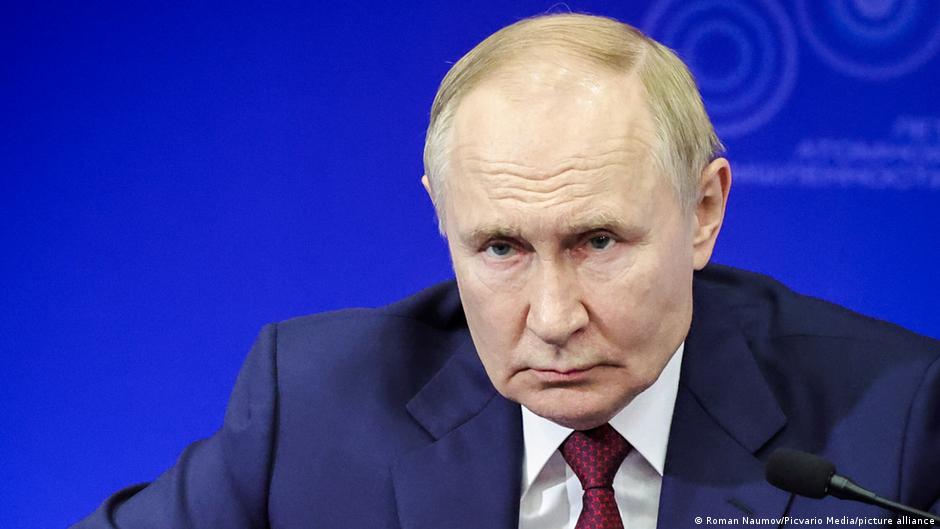
Putin said peace through diplomacy remains possible, while Zelensky said U.S. envoys will visit Kyiv and Moscow to discuss a potential agreement.

Norway’s seizure of the Professor Molchanov in Svalbard expands Naftogaz’s effort to enforce arbitration claims against Russian assets abroad.

Russia says it will close Goethe-Institut branches after Berlin moved against the Russian House agreement amid a broader sanctions escalation.

Putin says Armenia’s move toward EU membership would effectively mean quitting the EAEU, deepening a dispute over trade rules, integration and regional influence.

Foreign investment in Germany rose to 86 billion euros in 2025, with EU capital still dominant as US inflows fell and UK investment surged.
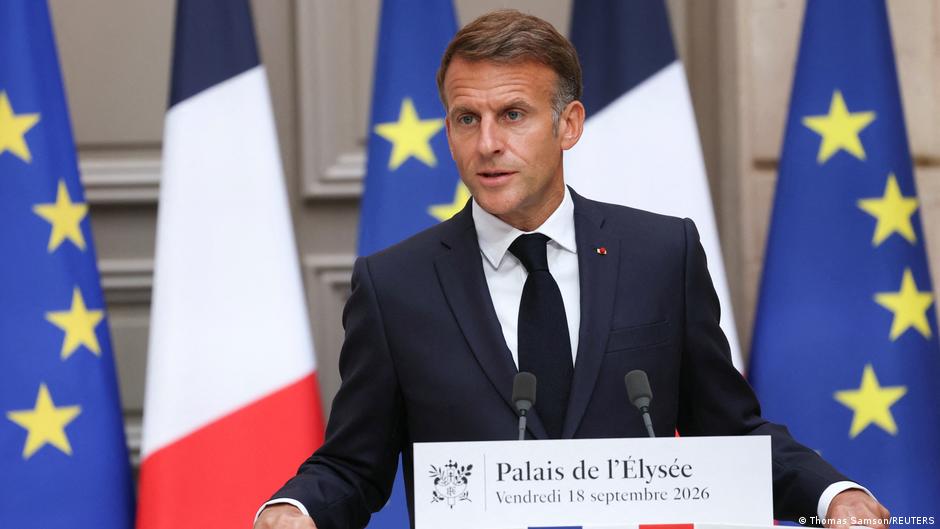
Bessent reportedly told Siluanov that U.S. sanctions pressure on Russia will not ease before the war in Ukraine ends.

Russia reportedly recruits criminal groups to sabotage European defense plants, challenging NATO’s unity and testing alliance response thresholds.

On Ukraine's Independence Day, the EU recommits to sustained support and sanctions on Russia, highlighting long-term integration and regional stability amid ongoing conflict.

Russia has created a shadow air fleet using military and private aircraft to sustain its operations in Africa’s Sahel, evading Western sanctions through complex logistics.

Finland summons Russian ambassador after an IL-20 reconnaissance plane briefly violated Finnish airspace, reflecting rising Baltic regional tensions and security concerns.

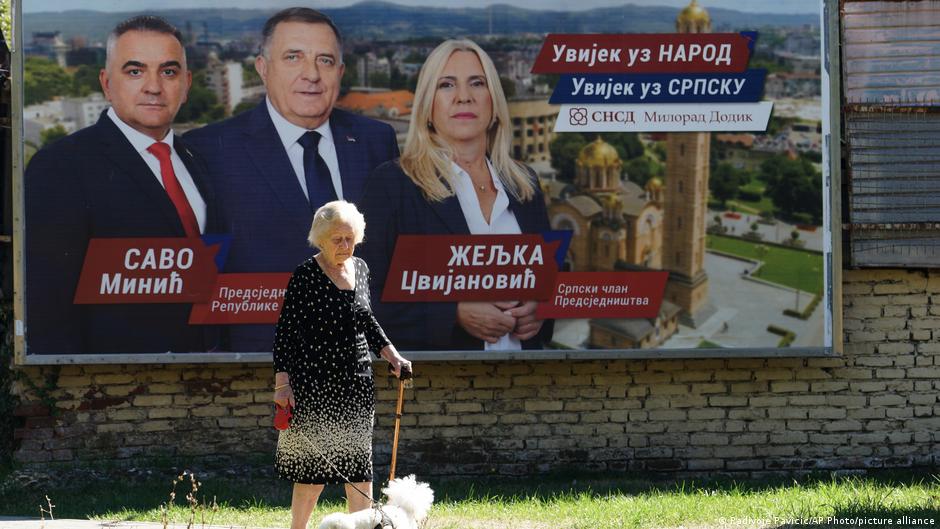
Serbia announces early parliamentary elections in October 2024 amid prolonged protests demanding anti-corruption reforms and political change.

NATO confirms readiness to respond to Iranian threats targeting European military bases, highlighting rising geopolitical tensions with regional economic implications.

Protests in Kyiv and other cities demand reinstatement of Mykhailo Fedorov as defense minister, criticizing recent government appointments and calling for reform continuity amid governance challenges.

Germany’s CDU/CSU support falls to 20%, with far-right AfD leading polls ahead of key state elections, reflecting volatile voter behavior and shifting political allegiances.

Ukraine sanctions 13 ships and 28 companies over illegal grain exports from Russian-occupied territories, aiming to disrupt unauthorized sales and assert economic sovereignty.

The Cl0p hacker group linked to Russia claims to have breached nearly 50 multinational corporations, highlighting growing cybersecurity risks with broad economic consequences.

The US imposes tariffs up to 100% on imported drones over 25 kg with thermal imaging, aiming to reduce reliance on foreign suppliers amid national security concerns.

Germany reports a sharp rise in drone flights near Bundeswehr bases, prompting new countermeasures and reflecting broader hybrid security challenges amid regional geopolitical tensions.

Raytheon and Lockheed Martin fear that licensing Patriot missile production to Ukraine may enable rapid, cost-effective manufacturing and technological improvements, raising strategic concerns.

Germany faces rising hybrid warfare threats amid drone attacks, prompting new research and security efforts to protect critical infrastructure and economic stability.

The US Senate has approved a broad sanctions package targeting Russia’s economy, with strong support from the EU and Ukraine to intensify pressure amid ongoing conflict.

Ukrainian President Zelensky’s visit to Serbia aims to strengthen economic ties and address security, challenging traditional Russian influence amid regional tensions.

Lithuania warns Russia may use captured Ukrainian drones to attack Baltic infrastructure, escalating hybrid warfare risks with significant economic and security impacts.

With over 8.4 million Ukrainians living abroad amid ongoing conflict, Ukraine faces significant demographic and economic challenges reshaping its future recovery.

General Valeriy Zaluzhnyi asserts Ukraine will not join NATO soon, urging focus on emerging security alliances like the Joint Expeditionary Force to address defense needs.

Russia has repositioned the Northern Fleet destroyer Admiral Levchenko to the Baltic Sea near Germany to protect its maritime shadow fleet amid increased sanctions and tensions.

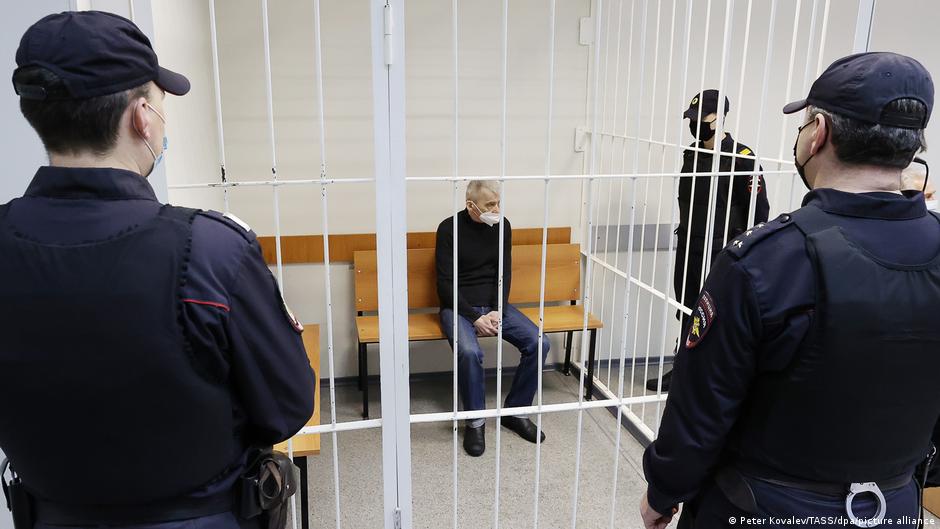
Vladimir Osechkin halts Gulagu.net citing a global human rights crisis and increasing repression in Russia, highlighting structural challenges for activists and international law.

The Zaporizhzhia Nuclear Power Plant has lost external power for the 23rd time since the conflict began, raising critical safety and energy security concerns amid ongoing military tensions.

Spain's enclave Ceuta faced a sudden migrant influx, exposing economic, political, and border security challenges for Spain and the EU's Schengen framework.

NATO considers deploying additional tactical nuclear weapons in Finland, Poland, and Lithuania, signaling a strategic shift in response to Russian security threats.