Leipzig Sabotage Probe Exposes Economic Risks Across Europe’s Security System
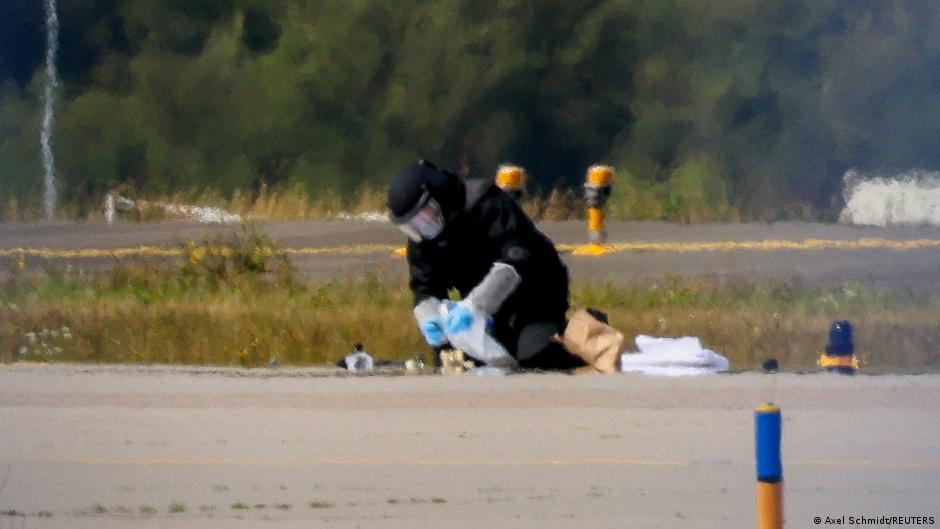
Latvia says a suspect in the Leipzig sabotage case had been living in Russia, deepening scrutiny of Europe’s logistics, visa and sanctions systems.

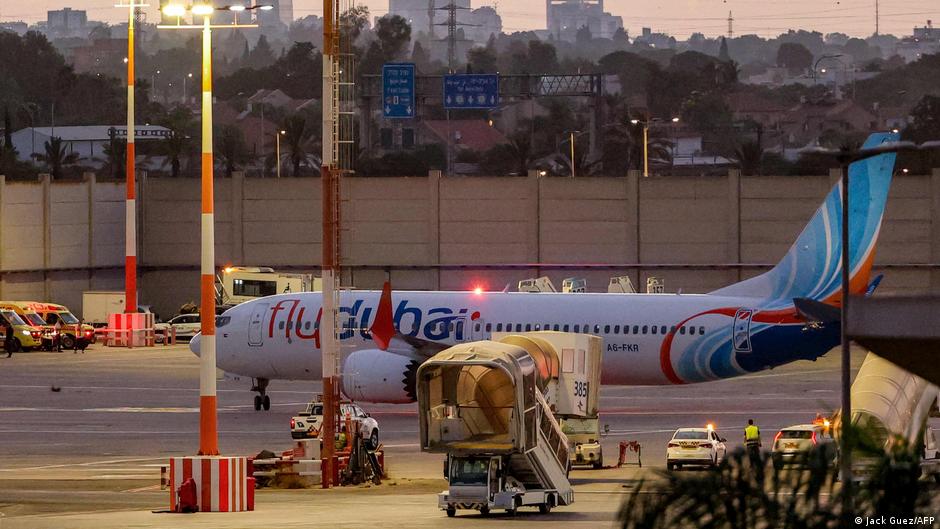
Latvia says a suspect in the Leipzig sabotage case had been living in Russia, deepening scrutiny of Europe’s logistics, visa and sanctions systems.

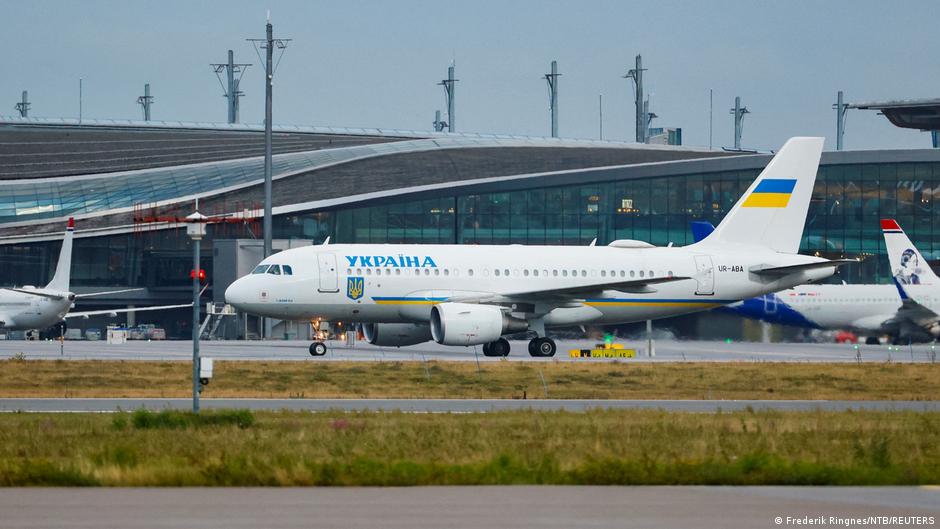
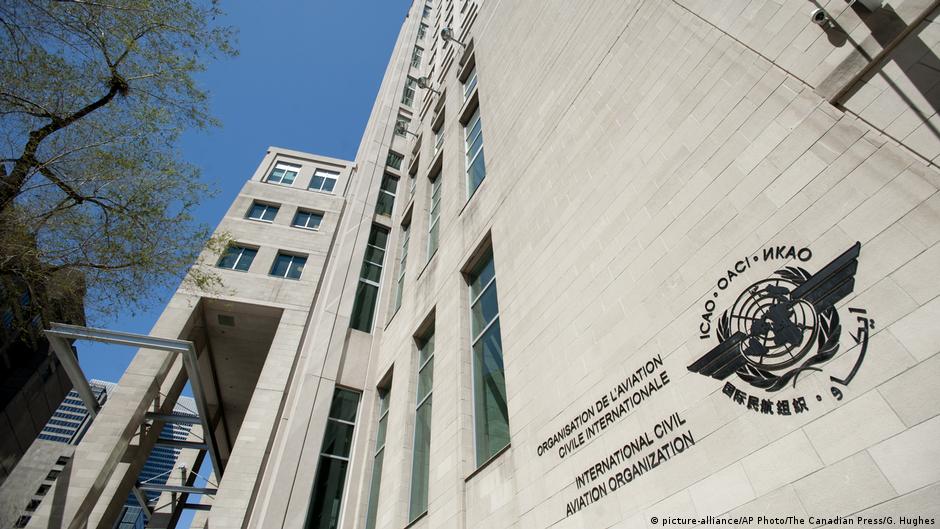
ICAO’s appeal after Ukraine’s warning over Russian airspace highlights how conflict risk is becoming a deeper structural cost for global aviation.

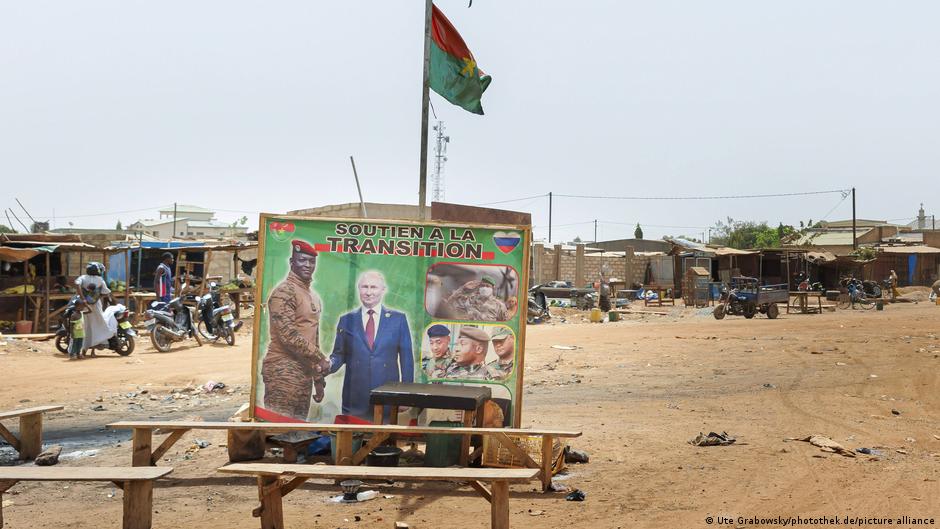
Russia has created a shadow air fleet using military and private aircraft to sustain its operations in Africa’s Sahel, evading Western sanctions through complex logistics.

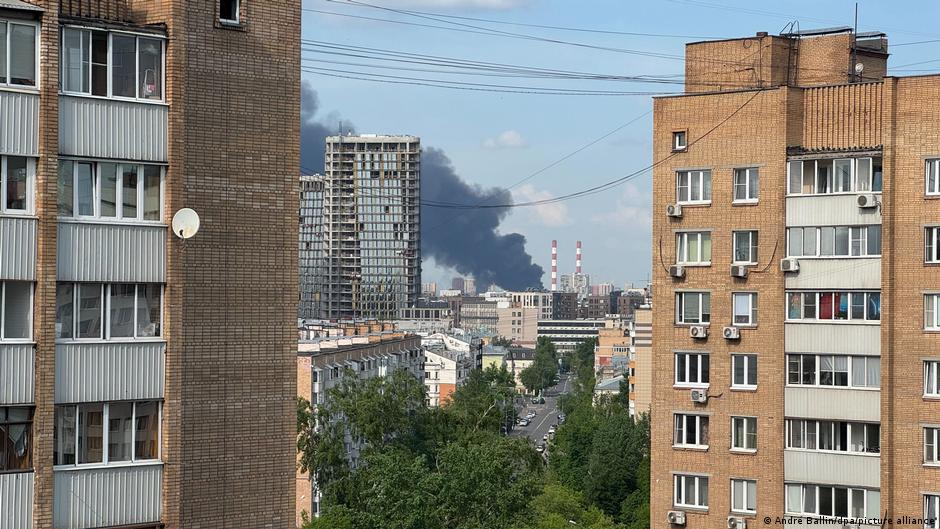
Over 180 drones were destroyed near Moscow during a night of large-scale UAV attacks, affecting residential areas and critical infrastructure with economic and security implications.

NORAD F-16 fighters intercepted two civilian aircraft violating temporary flight restrictions over Trump’s New Jersey golf club, highlighting tensions between security and civil aviation operations.

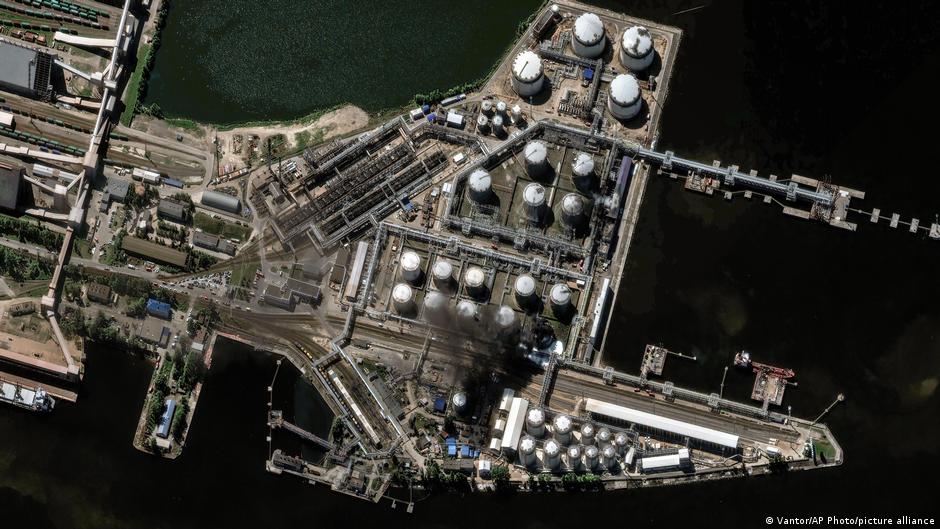
Ukraine’s Security Service reports a 40-day campaign targeting over 100 Russian strategic sites, severely impacting military and energy infrastructure to pressure Russia towards ending the conflict.

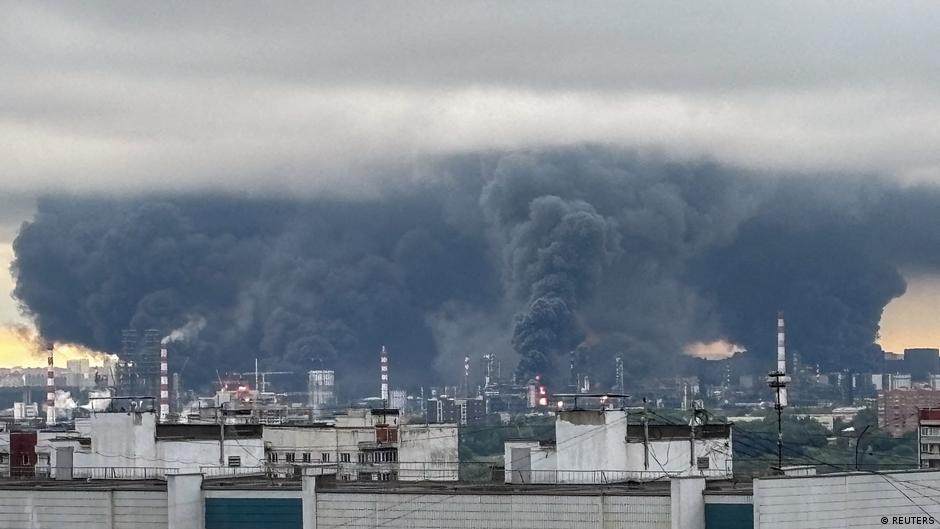
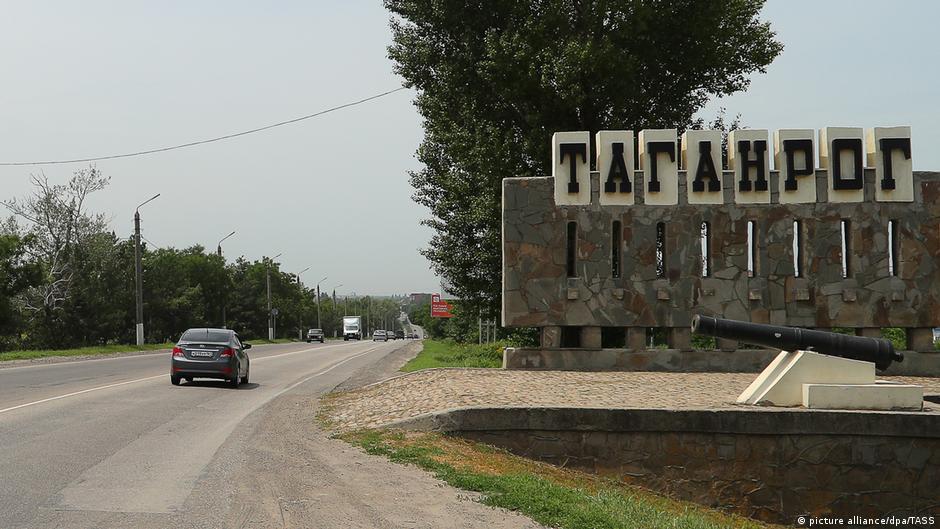
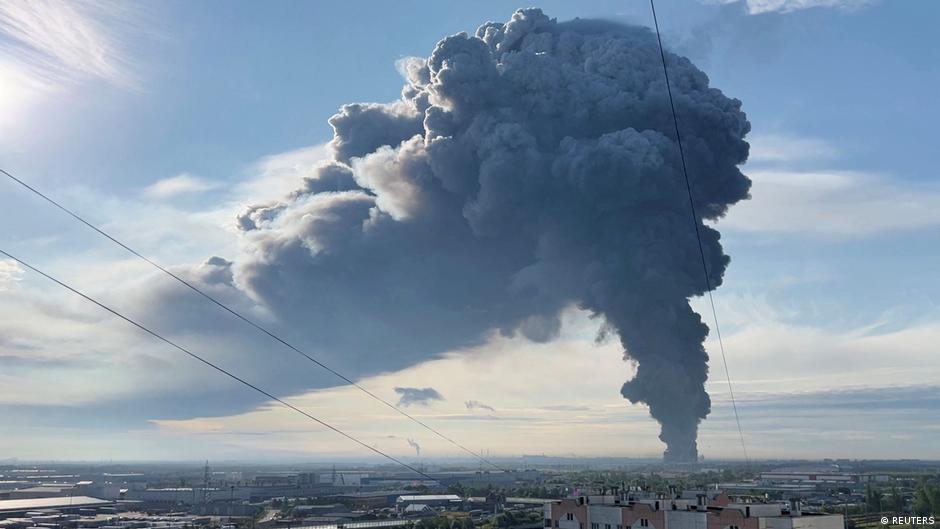
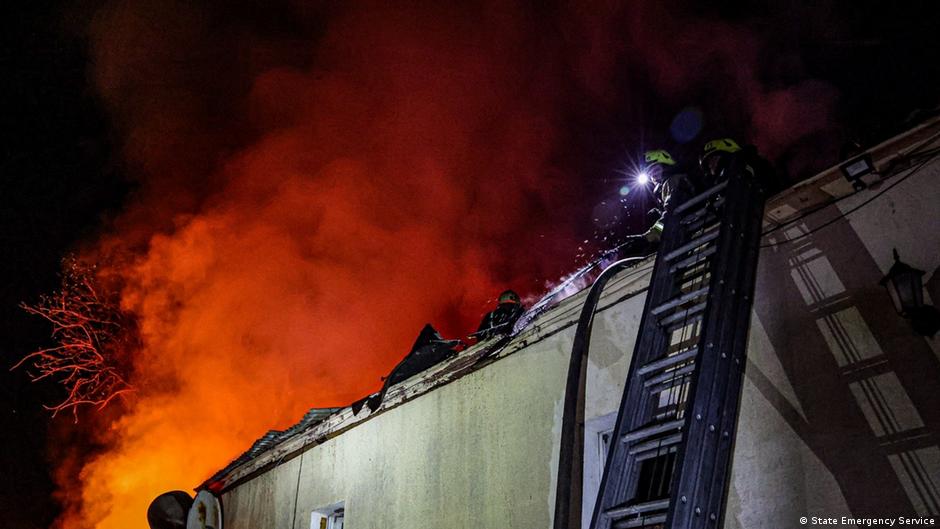
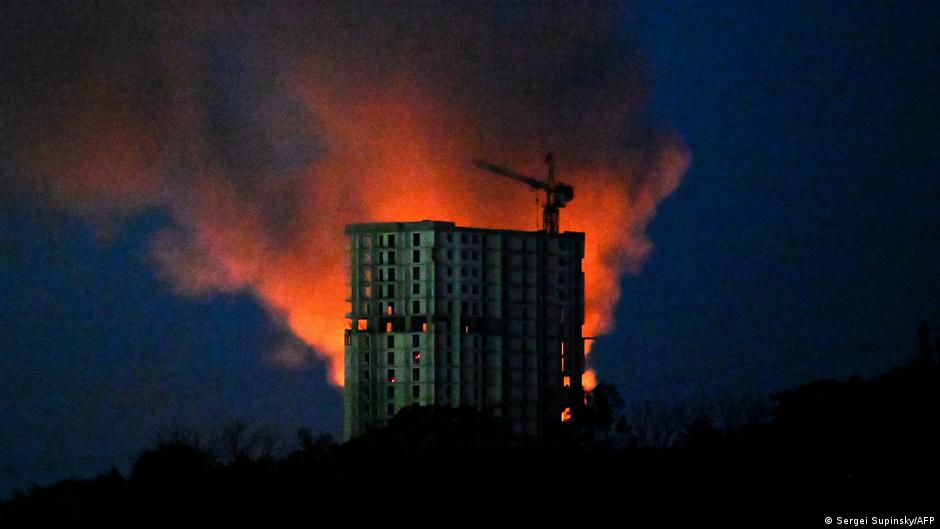
Drone strikes on Russian border cities Belgorod and Rostov-on-Don caused fires and infrastructure damage, exposing strategic vulnerabilities amid the ongoing Ukraine conflict.

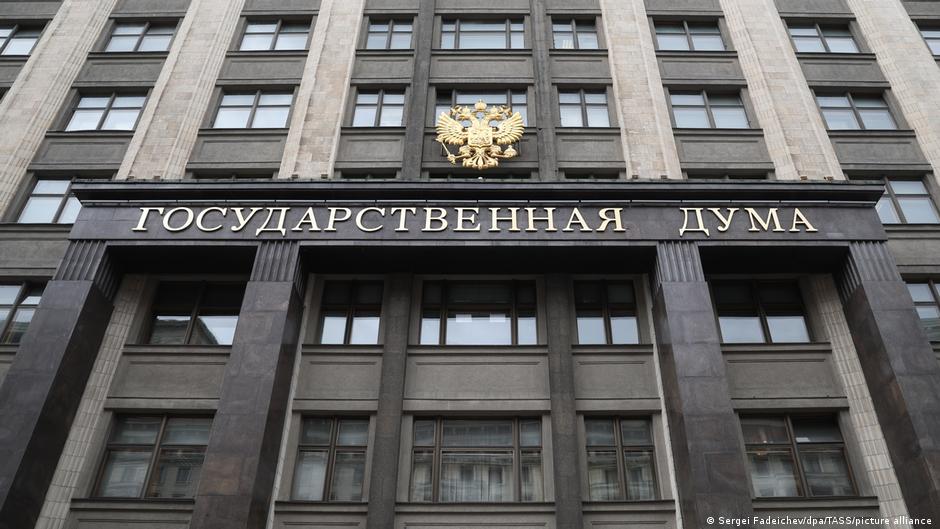
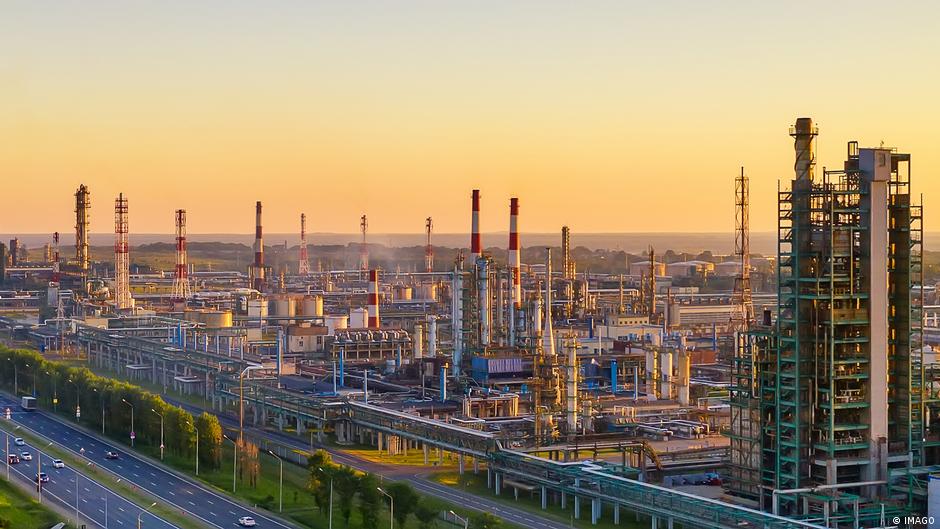
Russia’s State Duma amends fuel dampener rules and import compensations to stabilize domestic fuel prices amid refinery disruptions and export limits.

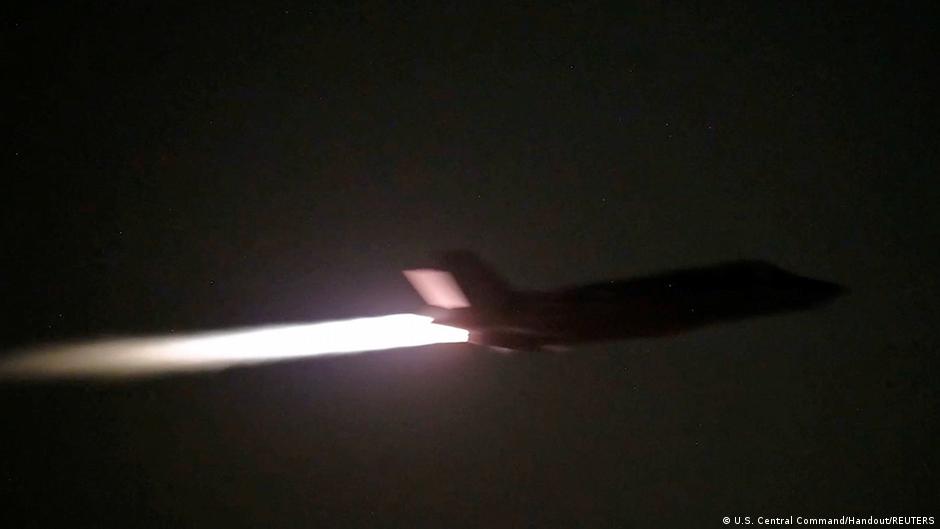
The US military conducted its 11th night of strikes against Iran targeting strategic infrastructure to counter threats to Gulf shipping amid escalating conflict in the Middle East.

Russian drone strikes hit multiple districts in Kharkiv, causing civilian injuries and property damage amid broader missile attacks across Ukraine, highlighting an escalation in urban conflict tactics.

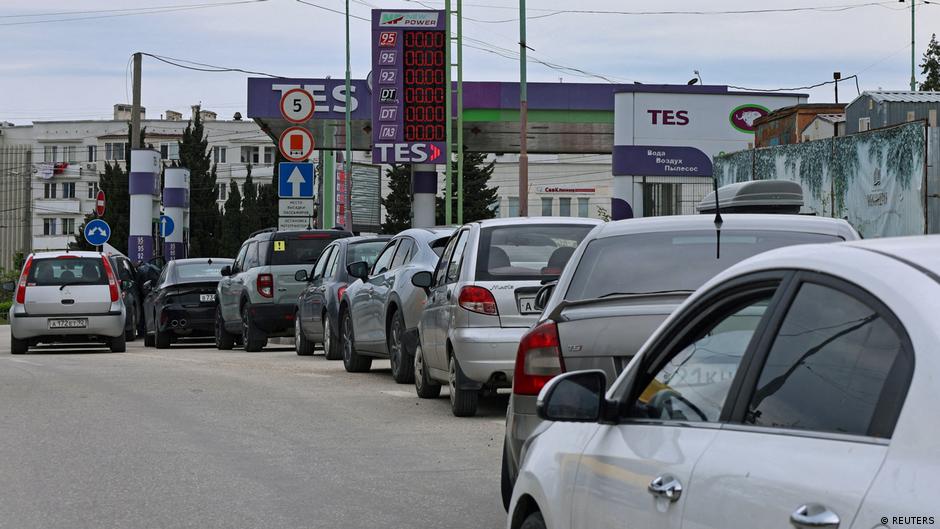
Gasoline prices in annexed Crimea nearly doubled in early July amid Russia's ongoing fuel supply crisis and policy shifts, revealing deep structural challenges in its energy sector.

Russia’s aviation fuel imports from Belarus surged nearly fourfold in May 2026 amid domestic production declines and export restrictions, revealing structural energy sector strains.

Nighttime drone alerts over Kyiv and targeted strikes on transport corridors reveal Russia’s strategic focus on disrupting Ukraine’s logistics amid ongoing conflict.

Georgia arrests Russian national Tatiana Kurashkevich over US-requested sanctions evasion charges, highlighting international cooperation against economic crimes.

Russia plans temporary export limits on diesel and aviation kerosene to stabilize domestic fuel markets after drone attacks reduced refinery output.

The US charges Raul Castro with conspiracy to murder over a 1996 incident killing four American pilots, signaling intensified tensions and complex economic consequences for Cuba.

The UK has issued an indefinite license allowing imports of Russian-origin diesel and kerosene to ease fuel prices amid geopolitical energy disruptions.

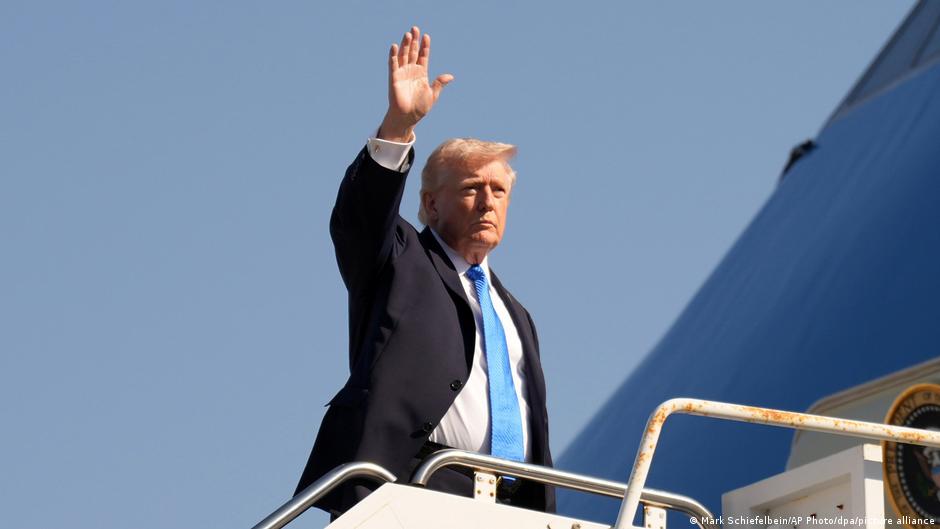
Palm Beach International Airport in Florida will be renamed after President Trump, changing its IATA code to DJT, signaling a potent mix of political branding and economic strategy.

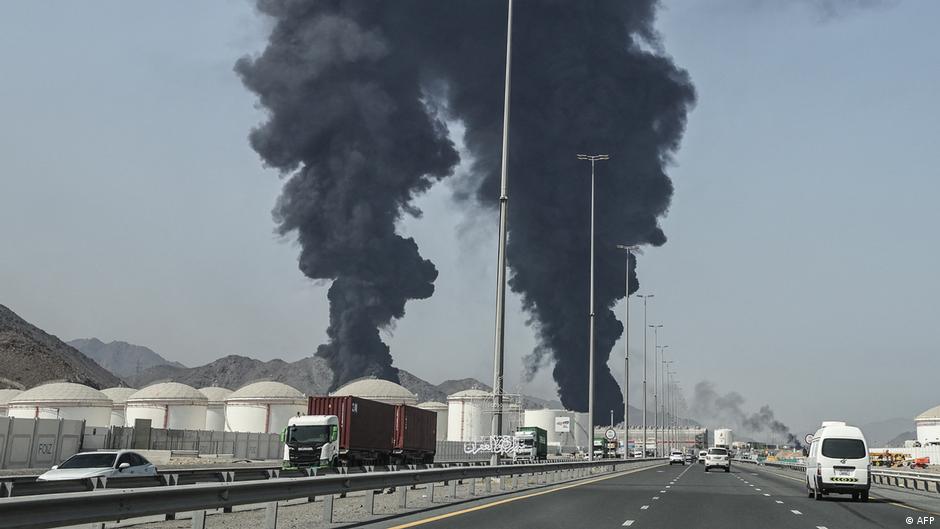
The UAE has secretly targeted Iran with military strikes amid escalating attacks, reshaping Gulf economic security and regional relations.

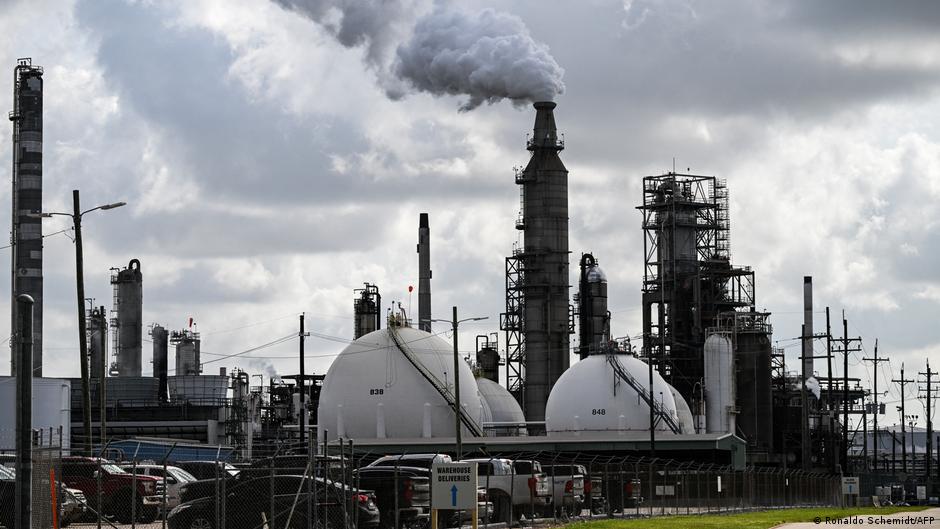
Global oil reserves fell by a record 200 million barrels in April amid Middle East tensions, signaling tightening supply conditions despite weakening demand.

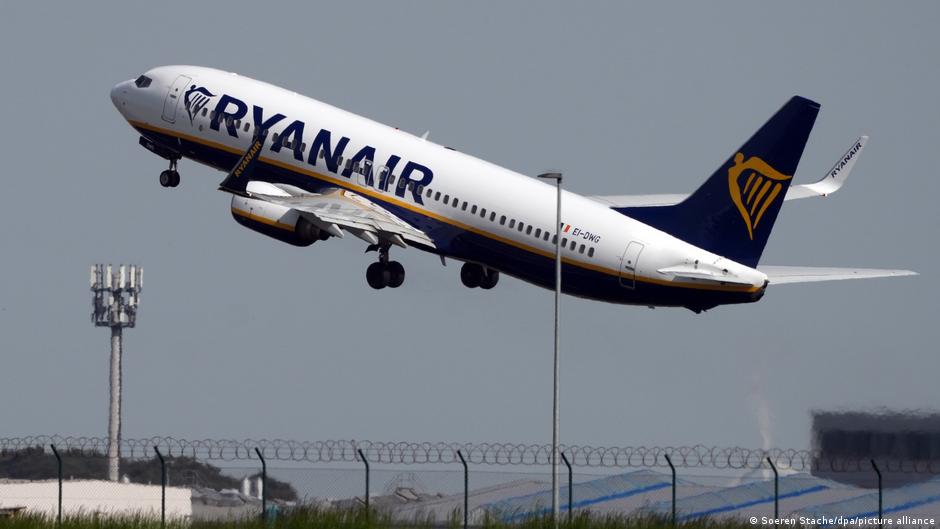
Ryanair plans to close its Berlin base and halve flights by 2026, citing Germany's rising aviation taxes and fees that threaten the viability of budget airlines.

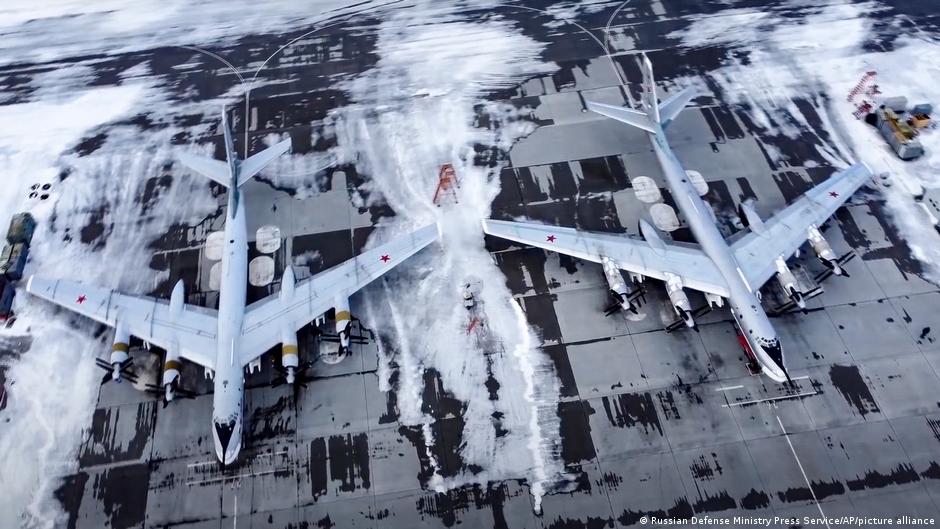
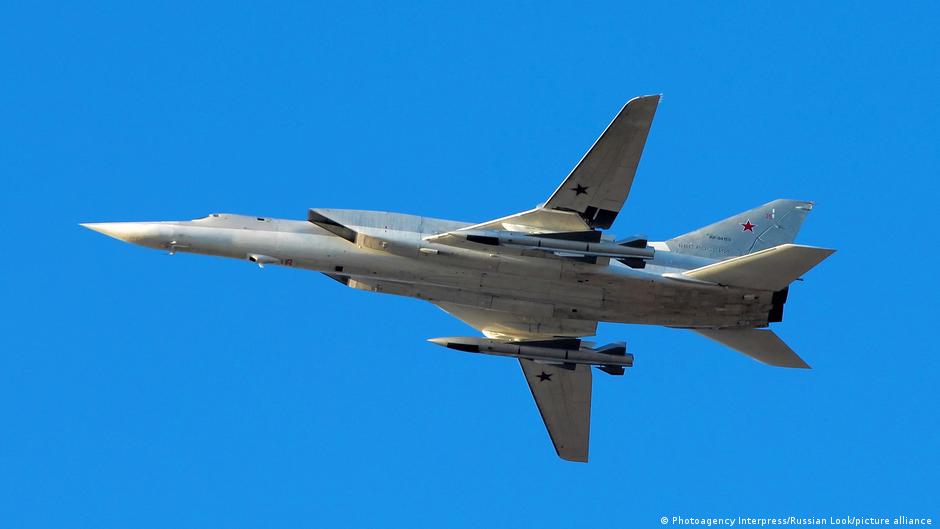
NATO intercepted Russian strategic bombers over the Baltic Sea on April 20, highlighting rising military tensions and economic implications for regional security and defense spending.

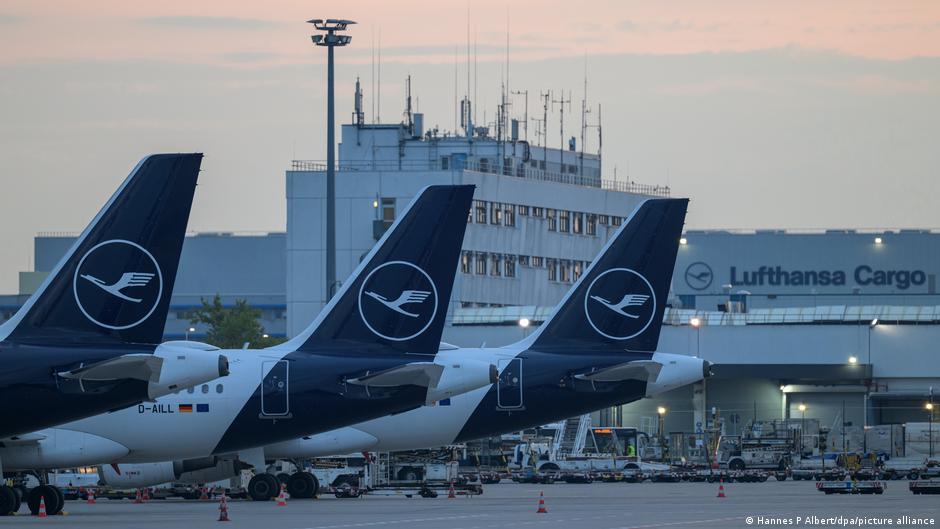
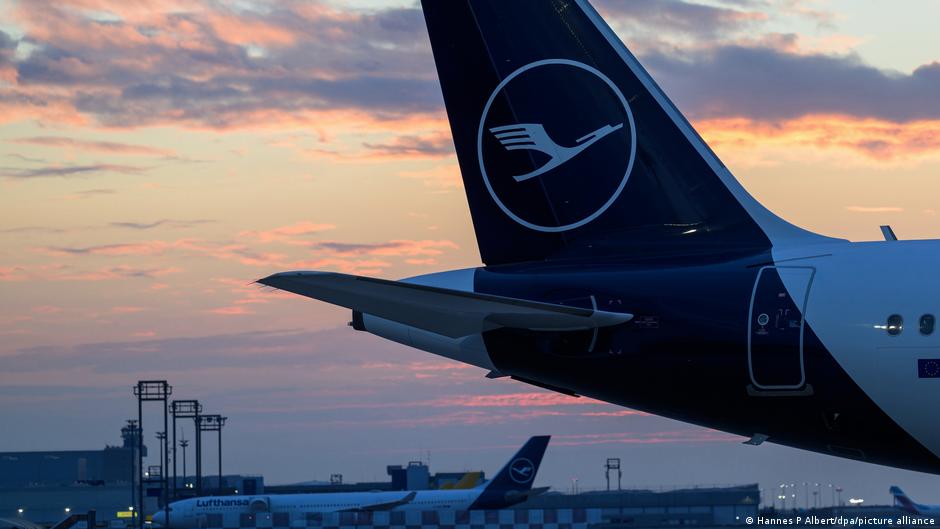
Lufthansa plans to cut 20,000 flights by late 2026 to save over 40,000 tonnes of jet fuel amid the energy crisis triggered by Middle East tensions, signaling major structural shifts in aviation.

Rising jet fuel prices amid Middle East conflict force airlines to cut flight capacity by 3% in May, threatening European economic connectivity.