US Military Downs Four Iranian Drones Amid Rising Tensions in Strait of Hormuz
US forces intercepted multiple Iranian drones threatening maritime traffic and struck radar stations to prevent further attacks.

The United States Central Command (CENTCOM) announced on June 6 that it had shot down four Iranian kamikaze drones launched toward the Strait of Hormuz, a critical maritime chokepoint for global energy supplies. CENTCOM emphasized that these unmanned aerial vehicles posed a direct threat to shipping in the region, underlining the precarious security situation in one of the world's most strategically important waterways.
Strategic Implications of Drone Interceptions and Strikes
Following the drone interceptions, US forces conducted retaliatory strikes against Iranian coastal radar stations located in Goruk and on Qeshm Island in the Strait of Hormuz. These attacks were described as preventative measures aimed at disrupting Iran’s capacity to orchestrate further drone and missile launches.
“American forces remain vigilant and are prepared to respond in self-defense against any unprovoked aggression by Iran,” CENTCOM stated, highlighting the ongoing readiness posture amid persistent tensions.
The Strait of Hormuz serves as a critical artery for the international energy market, funneling a significant proportion of the world’s oil exports as well as liquefied natural gas and fertilizer shipments. Any disruption in this corridor has far-reaching consequences for global commodity prices and energy security.
The recent drone incidents follow a pattern of escalating hostilities since the ceasefire agreement came into effect on April 8. On the night of June 3, Iran’s Islamic Revolutionary Guard Corps (IRGC) launched ballistic missiles and drones targeting neighboring Gulf states Kuwait and Bahrain, allegedly aiming at US military installations in the region. The US military responded swiftly by striking an Iranian military site on Qeshm Island and successfully intercepting several ballistic missiles and drones.
Moreover, Kuwait reported ongoing rocket and drone attacks on its territory, with its air defense forces actively engaging these threats. This multi-front tension underscores the fragile security environment across the Gulf, where proxy conflicts and direct confrontations become increasingly intertwined.
Historical and Economic Context
This cycle of attacks and counterattacks draws stark parallels to previous periods of Gulf instability, notably the tanker wars of the 1980s and the 2019–2020 escalation episodes, which saw significant disruptions to maritime navigation and elevated oil prices. The current standoff threatens a renewed surge in energy price volatility, potentially exacerbating global inflationary pressures already impacted by other geopolitical events.
The stalemate in diplomatic negotiations over a comprehensive framework agreement aimed at solidifying the ceasefire and reopening the Strait fully to shipping raises concerns about prolonged insecurity. Such instability not only imperils energy markets but also affects supply chains for fertilizers and other vital commodities, with cascading effects on global food security and industrial production.
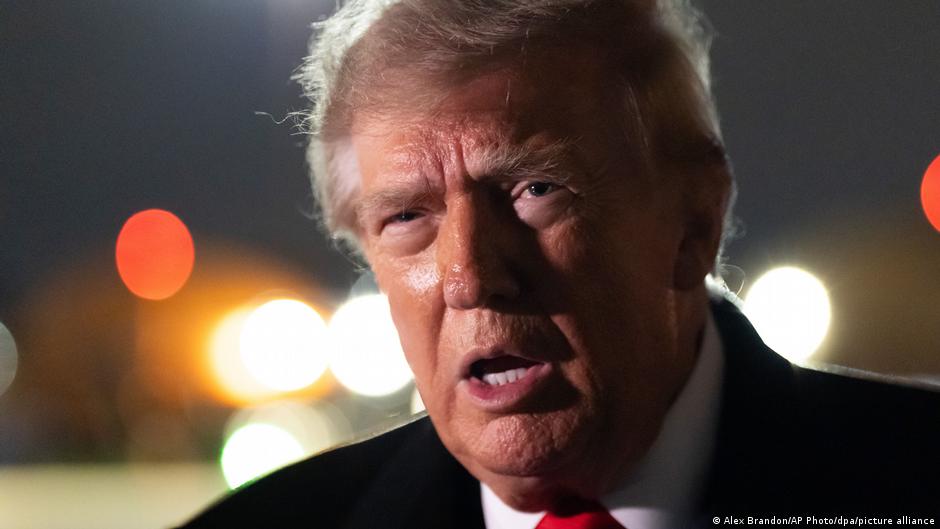
President Donald Trump’s recent announcement on June 1 regarding cessation of hostilities in Lebanon and planned resumption of political talks between Israel and Lebanon reflect parallel regional diplomatic efforts. However, the refusal of Hezbollah to engage in negotiations and Lebanon’s non-involvement in the conflict illustrate the intricate political fault lines complicating peace prospects.
In summary, the new drone incidents and subsequent military actions signify a dangerous escalation with profound implications for regional stability and the global economy. The Strait of Hormuz remains a flashpoint where geopolitical rivalries intersect with economic imperatives, reinforcing the need for sustained diplomatic engagement to prevent further deterioration.