Lukoil’s Nizhny Novgorod Refinery Halves Capacity After Ukrainian Drone Strike
Ukrainian drone attacks have forced one of Russia’s largest refineries to suspend over half its oil processing capacity, disrupting fuel production significantly.
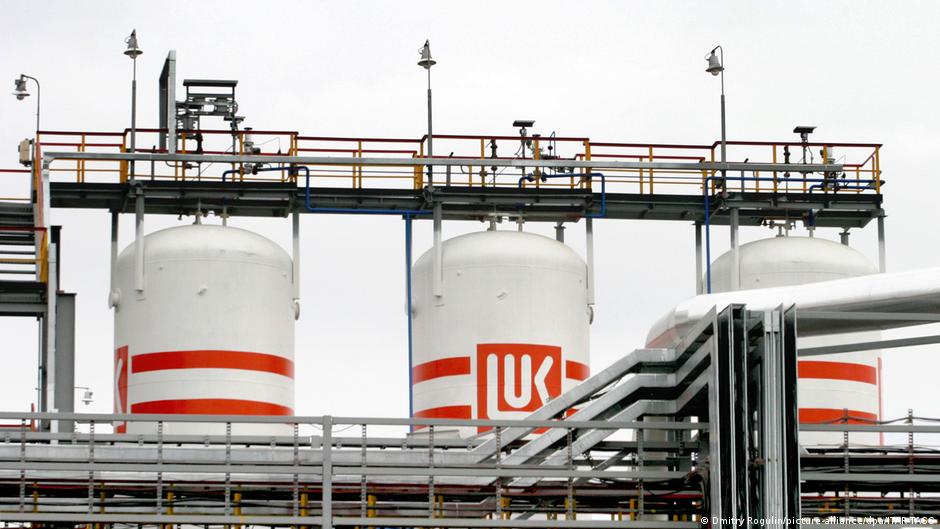
On the night of May 20, one of Russia’s top five oil refineries, Lukoil’s Nizhny Novgorod Refinery (NORSI), located in Kstovo, Nizhny Novgorod region, halted its primary oil processing unit following drone strikes attributed to Ukrainian forces. This development marks a significant blow to Russia’s refining infrastructure, with the refinery reducing its output by more than 50%.
The refinery’s primary distillation unit, known as AVT-6, which typically accounts for 53% of the facility’s throughput—approximately 25,700 tonnes per day—was taken offline. Prior to the attack, NORSI was capable of processing up to 16 million tonnes of crude oil annually, or roughly 320,000 barrels per day, positioning it as Russia’s fourth largest refinery and the country’s second largest gasoline producer.
Sources within the industry conveyed the information to Reuters on May 21, while Lukoil has so far declined to comment publicly on the event. Media reports and open-source intelligence channels indicated a fire at the refinery following the drone attack, although local authorities have not confirmed this.
Implications for Russia’s Refining Sector and Fuel Supply
This incident is not isolated. It marks the second time in two months that NORSI has been significantly impacted by drone strikes, with a previous attack on April 5 also causing operational disruptions.
Reuters further reported on May 20 that nearly all major oil refineries in central Russia have either curtailed or temporarily halted fuel production due to a series of recent Ukrainian drone attacks. Collectively, the affected refineries represent a combined capacity exceeding 83 million tonnes annually, or around 238,000 tonnes daily. This reduction corresponds to roughly one quarter of Russia's total oil refining capacity.
"These attacks have disrupted over 30% of Russia's gasoline production and about 25% of its diesel fuel output," an anonymous industry source noted.
The Ministry of Energy of the Russian Federation has not issued any comments in response to inquiries regarding these developments.
From a broader economic perspective, these attacks could signal a critical vulnerability within Russia’s oil processing infrastructure, potentially straining domestic fuel supplies and impacting export volumes. Given Russia's reliance on fuel exports as a major revenue source, sustained disruptions may have ripple effects across the economy, including increased logistical challenges and potential inflationary pressures on fuel prices.
Historically, oil refining capacity holds strategic importance for energy-exporting countries. Targeted attacks on refining infrastructure are a tactic aimed at constraining both domestic fuel availability and export capabilities. The continued drone offensives reflect an evolving dimension of conflict that leverages asymmetric warfare tools to challenge traditional energy sector resilience.
In the context of Russia's ongoing economic environment, these refinery shutdowns underscore the precarious balance between maintaining industrial operations and managing the risks associated with remote conflict zones. The structural consequences could extend beyond immediate output losses to longer-term shifts in investment, supply chain reconfiguration, and energy security policy adjustments.