Over 20 Countries Condemn Iran for Cross-Border Attacks Targeting Diaspora and Dissidents
A coalition of 22 nations calls on Tehran to halt attacks orchestrated by IRGC-affiliated groups against Jewish communities and Iranian dissidents abroad.
In a rare unified diplomatic stance, 22 countries, including the United States and multiple European states, publicly accused Iran of orchestrating attacks on their soil. The statement, released on June 11, demanded that Tehran immediately cease its cross-border operations targeting civilians, underscoring the violation of national sovereignty and established international norms.
Iran’s Expanding Shadow Warfare and its Economic Implications
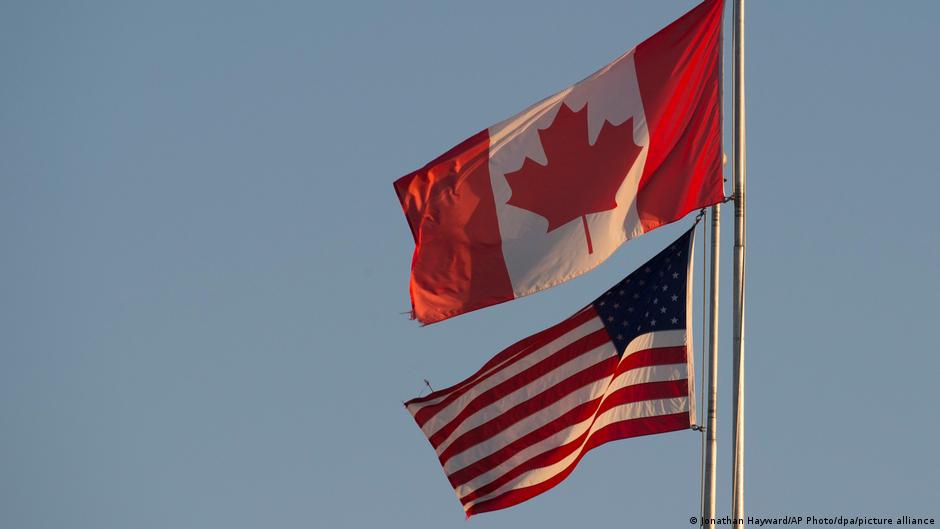
The countries issuing the statement include Germany, Albania, Australia, Belgium, the United Kingdom, Bulgaria, Canada, the Czech Republic, Denmark, Estonia, France, Finland, Ireland, Latvia, Lithuania, the Netherlands, New Zealand, North Macedonia, Norway, Portugal, Sweden, and the United States. This broad coalition reflects a growing international concern over Iran’s use of proxy and clandestine units to project power beyond its borders.
Central to the accusations are Iran’s Islamic Revolutionary Guard Corps (IRGC) and its foreign operations wing, the Quds Force. Intelligence assessments cited in the statement claim these bodies are involved in "deadly conspiracies and malicious activities" against Iranian dissidents, journalists, and Jewish communities living abroad.
Specifically, the statement highlights attacks by the group "Harakat Ashab al-Yamin al-Islamia" (Islamic Movement of the Supporters of the Right), linked to Iran, which has claimed responsibility for assaults and arson attacks against synagogues in the United Kingdom, Belgium, and the Netherlands.
"Attempts to kill, abduct, persecute, intimidate, or otherwise attack people on our territory undermine national sovereignty and international norms. These actions must cease immediately."
This escalation of Iran's covert operations in foreign territories has profound economic implications. Countries targeted by such attacks face increased security costs, potential disruptions to trade and investment, and heightened geopolitical risk premiums. Furthermore, strained diplomatic relations complicate international economic cooperation and sanctions enforcement.
Historically, Iran’s use of proxy groups and asymmetric tactics has been a strategic tool to circumvent direct military confrontation, but the recent wave of attacks on diaspora communities signals a more overt and aggressive phase. This development parallels other instances in history where states have outsourced repression and subversive acts abroad, with significant repercussions for global security and economic stability.
The multinational denunciation also reflects broader shifts in the international economic landscape. As geopolitical tensions rise, countries may reassess supply chains and investment flows vulnerable to instability. For Iran, continued engagement in extraterritorial operations risks further isolation and economic sanctions, deepening internal economic challenges already exacerbated by external pressures.
In sum, the latest collective statement against Iran not only underscores a pressing security concern but also highlights the complex interplay between geopolitics and economics in a fracturing global order. The structural consequences for international trade, investment, and regional stability warrant close analysis by policymakers and economic observers alike.