Pakistan Announces Immediate Opening of Strait of Hormuz Following US-Iran Memorandum
Pakistan's Prime Minister states the Strait of Hormuz will reopen instantly as US and Iran move towards peace with a signed memorandum.
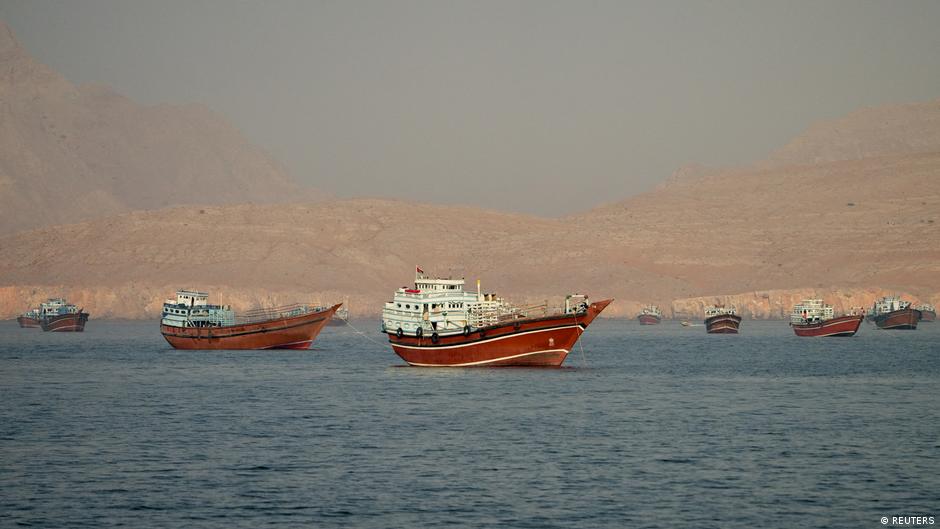
Strategic Strait of Hormuz to Reopen Amid US-Iran Peace Efforts
The Strait of Hormuz, a critical chokepoint for global oil shipments, is set to reopen immediately following the signing of a peace memorandum between the United States and Iran, according to Pakistan's Prime Minister Shahbaz Sharif. This development marks a pivotal shift in a region long fraught with geopolitical tension and economic disruption.
On June 17, US President Donald Trump and Iranian President Masud Pezeshkian signed a memorandum intended to cease hostilities between the two nations. According to Pakistan, which acted as a mediator in the negotiations, the memorandum has already taken effect, with the reopening of the Strait of Hormuz as a primary outcome. Sharif announced on social media platform X that the reopening will happen without delay, contingent on the simultaneous lifting of the US blockade on Iranian ports.
The Strait of Hormuz is one of the world’s most strategically important maritime corridors, responsible for the transit of approximately a fifth of global oil exports. Historically, tensions between the US and Iran have led to uncertainties and disruptions in this narrow waterway, causing ripple effects in global energy markets and financial systems.
"This reopening signals a crucial step in reducing geopolitical risk and restoring stability to international energy supplies," Sharif remarked, underscoring the broader significance beyond regional politics.
The memorandum requires an additional 60 days to finalize a comprehensive peace treaty, during which technical negotiations are expected to take place. Pakistan is organizing a formal signing ceremony on June 19 in Switzerland at the Burgenstock resort near Lucerne, supported by Qatar. Although the document has been digitally signed by the respective heads of state, this event aims to symbolize a new phase of diplomatic engagement.
Economic and Geopolitical Implications
The reopening of the Strait of Hormuz stands to alleviate a significant bottleneck in global oil supply chains. Over recent years, periodic threats of closure or disruption, often tied to US sanctions and military posturing, have contributed to price volatility and supply insecurity. The lifting of the blockade on Iranian ports will also likely reintegrate Iran’s oil exports into global markets, which have been constrained by sanctions.
From an economic perspective, the memorandum may herald a shift in regional trade patterns and investment flows. Neighboring countries and global energy consumers could experience a normalization of market conditions, potentially reducing premiums on oil prices associated with geopolitical risk.
Historically, the Strait has been a flashpoint during conflicts such as the Iran-Iraq War in the 1980s and the US-Iran tensions post-2018 sanctions reimposition. The current breakthrough, facilitated by Pakistan’s mediation and Qatar’s support, reflects broader realignments in regional diplomacy and a possible de-escalation after years of adversarial relations.
However, challenges remain. The technical details of the peace treaty and the mechanisms for enforcing sanctions relief and maritime security will be critical. Additionally, the reaction of other regional actors and global powers will influence the durability of this rapprochement.
For Pakistan, the mediation role elevates its geopolitical importance and demonstrates its capacity to influence regional stability beyond its borders. For the global economy, the resolution of tensions surrounding the Strait of Hormuz could mark a new era of improved energy security and economic predictability.