Paraguay Detains Ousted President as Ueno Bank Crisis Deepens
The collapse of confidence in Ueno has turned a liquidity emergency into a test of Paraguay’s financial institutions and political order.

A Paraguayan court has ordered former President Santiago Peña into pretrial detention as prosecutors investigate his alleged role in a banking crisis that has left several million people unable to access their accounts. The case has rapidly developed from a liquidity problem at Ueno bank into a broader institutional emergency involving the presidency, the central bank, pension funds, businesses and government bodies.
Judge Humberto Otazú said after a hearing on Saturday, October 7, that detention was necessary to ensure Peña remained in the country. Prosecutors have charged the former president with breach of trust and using public office for personal benefit. Peña declined to testify in court, according to the report.
“It is necessary to ensure that he remains in the country,” Otazú said.
Prosecutors have also requested that the assets of Peña and former Paraguayan central bank governor Carlos Carvalho be frozen. Carvalho faces similar accusations. The widening investigation places both political authority and banking supervision under scrutiny, raising questions about whether conflicts of interest compromised the state’s capacity to identify and contain financial risks.
From liquidity shock to economic disruption
The immediate source of the crisis is Ueno, which was placed under the administration of Paraguay’s central bank at the beginning of the week because of liquidity problems. Since then, around three million customers—nearly half the country’s population—have been unable to gain access to their accounts.
The economic consequences extend beyond household depositors. Numerous companies, pension funds and public institutions have also been affected by the central bank’s intervention, AFP reported. That breadth matters because a bank serving such a large share of the population functions as more than a private financial intermediary. It becomes part of the economy’s basic payments infrastructure, connecting wages, savings, pensions, tax receipts and commercial cash flow.
When account access is interrupted on this scale, a liquidity crisis can spread even if depositors and businesses remain solvent on paper. Households may cut consumption because they cannot use their savings. Companies may struggle to pay workers or suppliers. Public agencies can face operational delays, while pension funds may be forced to manage unexpected cash constraints. The central economic problem is therefore not limited to the value of Ueno’s assets; it also concerns the paralysis created when money cannot circulate normally.
Banking crises historically become more damaging when financial concentration, political connections and uncertainty over deposit access reinforce one another. The Paraguayan episode follows that familiar structural pattern: distress at one institution has generated economy-wide pressure because of the bank’s extensive customer base and its links to politically influential owners. Restoring confidence will require authorities to clarify how and when customers can regain access to funds, while demonstrating that supervision and prosecution are insulated from political pressure.
Ownership ties and an accelerated impeachment
Peña owned stakes until 2025 in the corporate group that controlled Ueno. Those ties became central to suspicions of a conflict of interest and ultimately to his removal from office. He offered to resign voluntarily on Thursday, but parliament instead accelerated impeachment proceedings.
The distinction had major legal consequences. Lawmakers sought to prevent Peña from obtaining the status of senator for life, along with immunity and a potential route to avoiding criminal prosecution that would have followed a voluntary departure. The Senate voted unanimously to remove him. Authorities placed the former president under house arrest within minutes of the decision and later transferred him to military barracks in the capital, Asunción, where he entered pretrial detention.
The speed of the process reflects the severity of the political reaction, but it also adds another layer of uncertainty. Paraguay must simultaneously manage a large financial intervention, investigate alleged misconduct at the highest levels of government and preserve confidence that constitutional procedures remain credible. Markets and depositors will be watching not only the outcome of the criminal case but also whether the central bank can stabilize Ueno without imposing prolonged disruption on households and institutions.
A test of Paraguay’s economic governance
Peña became president in 2023 after previously serving as finance minister. His background placed him close to the management of economic policy, making the allegations especially consequential for perceptions of financial governance. The accusations suggest that the crisis may involve not merely a failure at a commercial bank, but a possible breakdown in safeguards separating private ownership interests from public decision-making.
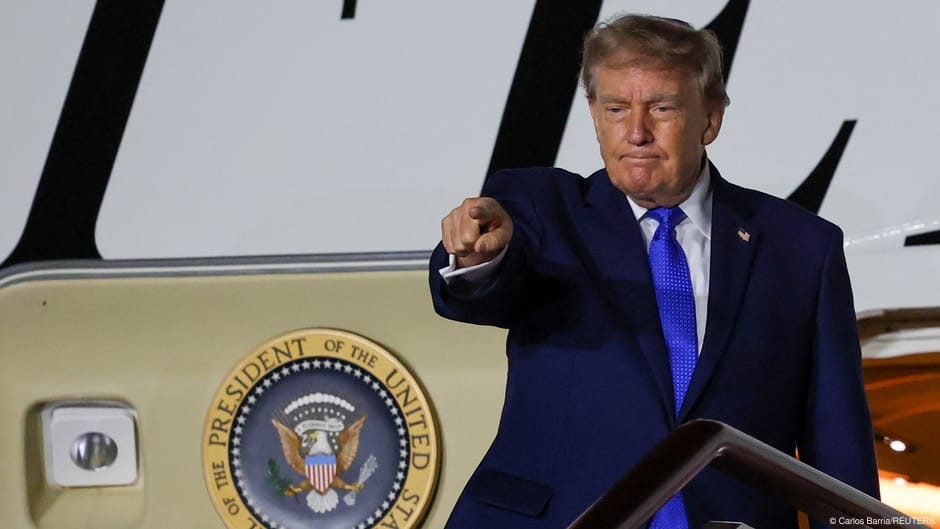
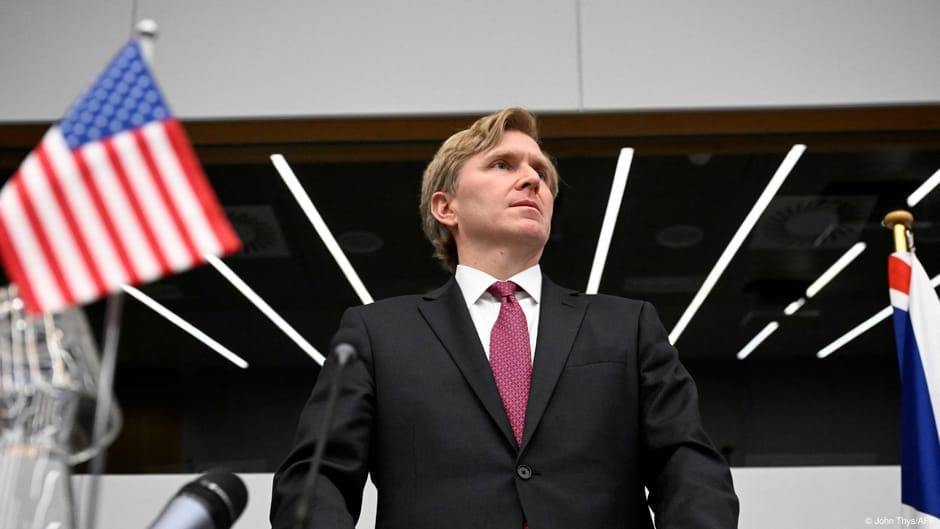
Peña is regarded as a political ally of the US administration of Donald Trump. On November 6, the US Embassy in Asunción expressed its “solidarity with the people of Paraguay” without mentioning the ousted president. The wording signaled attention to the national impact of the crisis while avoiding an explicit defense of Peña.
The longer-term economic cost will depend on the duration of account restrictions, the condition of Ueno’s balance sheet and the government’s ability to prevent distrust from spreading to other institutions. Even if access is restored quickly, the episode is likely to intensify demands for stronger disclosure of political financial interests, more independent bank supervision and clearer crisis-resolution mechanisms. For Paraguay, the central challenge is now to separate the fate of one bank and one former president from confidence in the financial system as a whole.