US Considers Relocating Troops from Germany to Poland Amid Strategic Realignments
President Trump signals possibility of shifting thousands of US troops from Germany to Poland, reflecting evolving NATO and US-Europe defense dynamics.
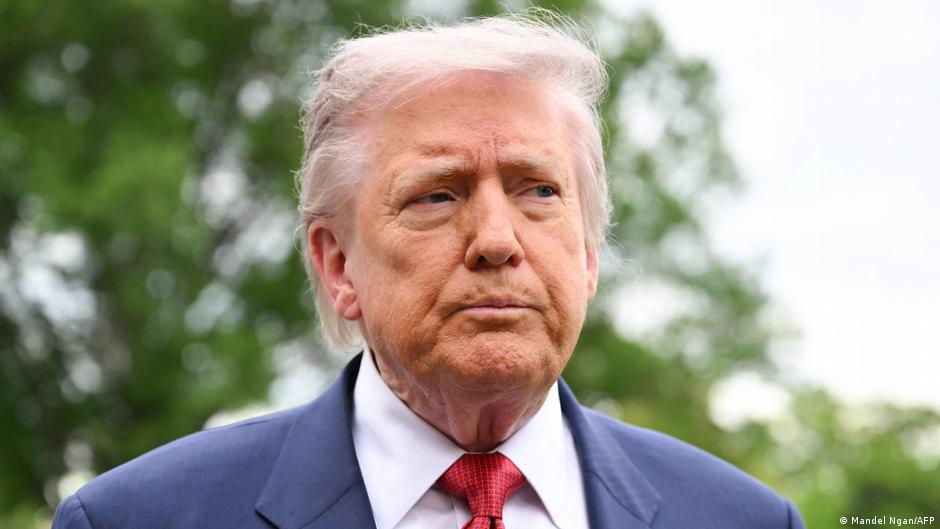
In a significant development reflecting shifting transatlantic military dynamics, former US President Donald Trump acknowledged the possibility of relocating American troops currently stationed in Germany to Poland. This prospect comes amidst broader strategic recalibrations within NATO and evolving US-European security relations.
Context and Background of US Troop Movements
On May 2, the US Secretary of Defense, Pete Hegseth, issued an order to withdraw approximately 5,000 American service members from Germany over the course of a year. This move is part of a larger adjustment in the US military footprint in Europe, where about 68,000 American troops are permanently based. Germany hosts the largest contingent, with around 36,400 soldiers and officers spread across roughly 20 military sites, primarily in the southern and southwestern regions.
President Trump, responding to questions from journalists on May 8, affirmed a strong relationship with Poland and its president, Karol Nawrocki, stating, "Poland would like it. We have great relations with Poland. I have a great relationship with President Nawrocki. I support them. I like him very much. So it is possible." This endorsement signals a potential partial redeployment of forces from Germany to Poland.
Political and Strategic Implications
The decision stems from multiple factors, including tensions between the US and Germany’s Chancellor Friedrich Merz. Notably, Merz publicly criticized US and Israeli military activities against Iran, and this friction has affected bilateral defense cooperation. For instance, the US declined to station a battalion equipped with Tomahawk cruise missiles—capable of striking targets up to 2,500 kilometers away—in Germany, a move that underscores the complexity of the alliance.
"We have the necessary infrastructure," said Polish President Karol Nawrocki, emphasizing Poland's readiness to host additional US troops withdrawn from Germany.
Poland's readiness to receive additional US forces was articulated during President Nawrocki's visit to Lithuania in early May. Poland currently hosts approximately 10,000 American soldiers, making it a significant hub for US military presence in Eastern Europe. Lithuania, which now hosts over 1,000 US troops, also expressed openness to bolstering its security partnership with Washington, highlighting a regional trend of Eastern European countries seeking to deepen defense ties amid perceived threats from Russia.
Broader Economic and Security Consequences
This troop realignment is not merely a military maneuver; it carries substantial economic and structural implications for both Germany and Poland. The presence of US troops contributes to local economies through base operations, civilian employment, and ancillary services. Germany, with its long-standing hosting role, stands to experience economic adjustments due to the withdrawal. Conversely, Poland may see economic gains from increased military spending and infrastructure development tied to accommodating more US forces.
Moreover, this shift reflects deeper strategic realignments within NATO, where Eastern European allies are seeking greater security guarantees amid heightened regional tensions. The redistribution of US forces is likely to influence NATO's deterrence posture and could accelerate defense investments in host countries.
Historically, the US military presence in Germany since the Cold War served as a linchpin of European security architecture. Moving troops eastward revives echoes of past strategic shifts but also signals evolving priorities in US foreign policy toward strengthening alliances in Eastern Europe.
Conclusion
The potential redeployment of US forces from Germany to Poland highlights the fluid nature of transatlantic defense relations amid geopolitical shifts. It underscores how military deployments intertwine with broader economic, political, and strategic considerations, reflecting the evolving security landscape in Europe.