Pope Leo XIV Condemns Global Tyranny Exploiting Religion for Economic and Political Gain
During his African tour, Pope Leo XIV criticized leaders manipulating faith for war and profit, urging peace and dialogue amid geopolitical tensions.
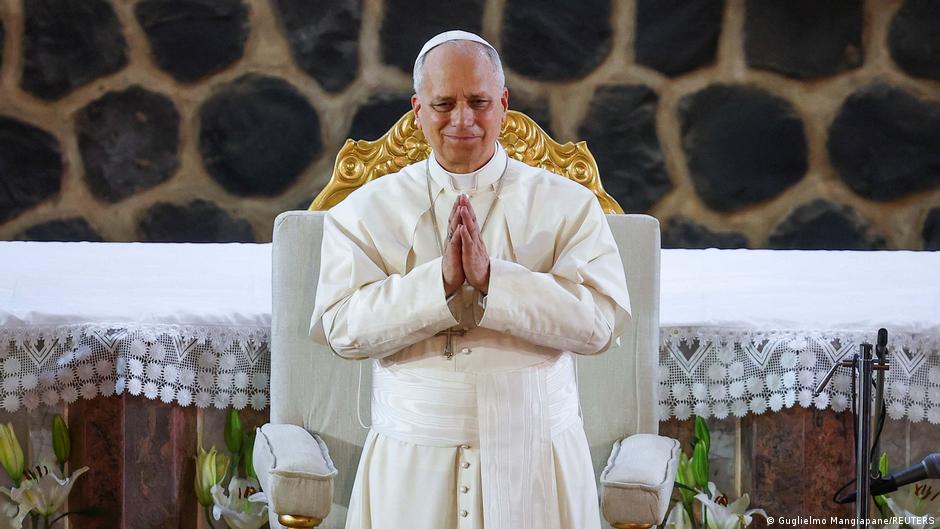
During a visit to Cameroon, Pope Leo XIV delivered a pointed critique of global leaders who, he asserted, exploit religion and the very name of God for their own military, economic, and political benefits. Speaking on April 16 at St. Joseph's Cathedral in Bamenda, the pontiff denounced a "handful of tyrants" responsible for spending billions to devastate the world through exploitation and armed conflict.
Religious Manipulation and Geopolitical Realities
"Blessed are the peacemakers," Pope Leo XIV declared, "but woe to those who manipulate religion and the very name of God for their own military, economic, and political advantage, plunging the sacred into darkness and abomination. This is a world turned upside down, an exploitation of God's creation that every honest and conscientious person must condemn and reject."
The pope's condemnation resonates deeply within the broader context of contemporary global power struggles where religious narratives are often co-opted to justify interventionist policies and economic exploitation. Historically, religion has been both a unifying and divisive force; today, its manipulation serves as a tool for legitimizing conflicts and securing resource-driven agendas.
Earlier on April 11, during a prayer vigil for world peace, Leo XIV—the first American pope—called on leaders of warring nations to cease hostilities and engage in dialogue rather than focus on rearmament and lethal strategies. This message directly challenges the prevailing militaristic postures that dominate international relations amid rising tensions in multiple regions.
However, his appeals have met resistance. Then-US President Donald Trump publicly criticized the pontiff on his social media platform, dismissing the pope's remarks as unwelcome interference. Trump stated, "I don't need a pope criticizing the President of the United States, because I am doing exactly what I was elected to do." This response underscores the frictions between religious moral authority and national political agendas, especially as they relate to foreign policy and defense spending.
Political Responses and the Role of Religious Leadership
In a subsequent development, Italian Prime Minister Giorgia Meloni expressed support for Pope Leo XIV’s stance, emphasizing discomfort with religious leaders being directed by political figures. This position highlights an ongoing debate about the independence of religious institutions amidst politically charged environments. Meloni's support, however, triggered sharp rebukes from Trump, illustrating the complex interplay between domestic politics and international diplomatic relations.
Pope Leo XIV's African tour, which began on April 13 and spans 11 days, marks a significant moment for the Vatican’s engagement with the continent. His itinerary includes Algeria, Cameroon, Angola, and Equatorial Guinea. Algeria, with a population of approximately 48 million but only about 9,000 Catholics, presents an interesting historical backdrop; the pope visited the ruins of Hippo, the ancient city where St. Augustine—one of the Catholic Church’s foundational theologians—once preached.
This journey not only underscores the Vatican's commitment to Africa but also symbolizes a call to reconcile the continent’s rich spiritual traditions with the urgent need for peace and sustainable development amidst political instability and economic challenges.
Economic and Structural Consequences of Conflict and Exploitation
The pope’s remarks invite reflection on the structural economic consequences of conflicts fueled by the manipulation of religion. Wars and exploitation generate massive financial flows that often benefit a select few at the top while devastating populations and economies at large. Military expenditures drain resources that could otherwise be invested in human development, infrastructure, and social services.
Moreover, the entanglement of religious rhetoric with political and economic agendas complicates peacebuilding efforts. It risks delegitimizing faith communities and undermining trust in institutions essential for societal cohesion. The pope’s call to reject this exploitation invites economic analysts and policymakers to consider how peace and ethical governance can serve as foundations for long-term economic stability and equitable growth.
In conclusion, Pope Leo XIV’s outspoken denunciation of tyrannical exploitation through religious manipulation situates the Vatican as a moral counterweight to the prevailing forces of militarism and economic opportunism. His African tour provides a platform to advance these messages at a time when global tensions demand renewed commitment to dialogue, peace, and responsible stewardship of both human and natural resources.