Putin's Inner Circle Advised Against Internet Restrictions Amid Economic Concerns
Russian elites increasingly worry about the economic and social impact of internet controls planned for 2025, reflecting broader dissatisfaction with Putin’s policies.
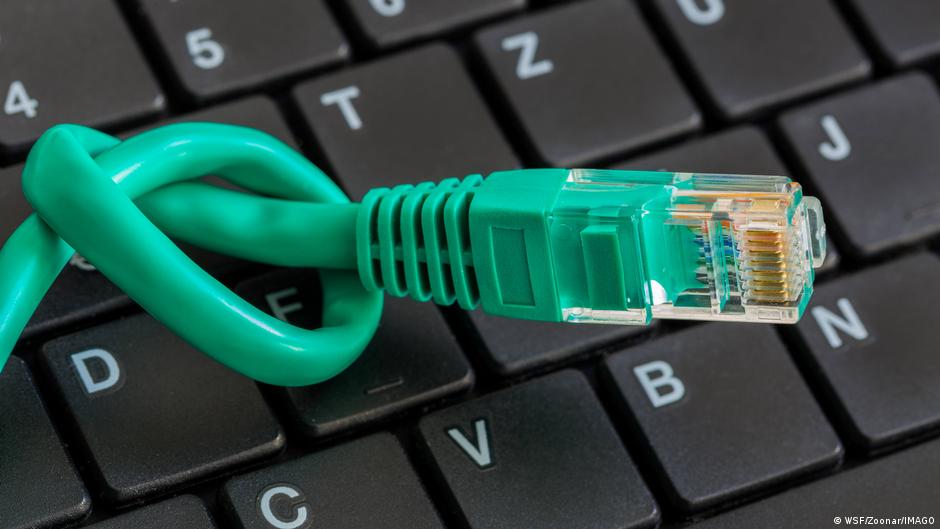
Senior officials close to Russian President Vladimir Putin reportedly attempted to dissuade him from implementing stringent internet restrictions set to intensify in 2025, according to recent reports. This pushback underscores growing elite-level anxiety about the economic fallout and societal unrest triggered by these measures.
Economic and Social Implications of Internet Controls
Sources indicate that prominent figures within Putin’s administration, including Press Secretary Dmitry Peskov and First Deputy Chief of Presidential Administration Sergey Kiriyenko, urged the president to reconsider imposing harsher digital restrictions. Despite these warnings, the measures have moved forward, backed largely by security agencies, notably the FSB’s Second Service, which has been granted wide latitude to enforce internet controls.
The disruptions to internet access are causing multibillion-dollar losses to Russian businesses, exacerbating economic stress amid an already challenging geopolitical environment. Discussions among Russian elites reveal a growing sense of frustration not only with the economic consequences but also with the broader impact on public sentiment.
"The elite’s discourse on internet restrictions now includes a begrudging admiration for China’s internet control model, once mocked as a symbol of censorship," a source familiar with these conversations remarked.
This shift reflects an evolving mindset within the ruling class, as they weigh the trade-offs between state control and economic vitality. Yet the hardline stance prevails, influenced heavily by security apparatus perspectives amid the ongoing conflict in Ukraine.
Notably, the intensified internet restrictions and the state's push to transition citizens to criticized government digital platforms add to an accumulating list of grievances. In 2026, Russians have faced tax hikes, rising prices, and controversial measures such as the mass culling of livestock in Siberia, fueling public discontent.
Broader Context: Social Contract and Public Trust
These developments appear to undermine an unwritten social contract underpinning Putin’s governance since the full-scale invasion of Ukraine began. The implicit understanding was that ordinary Russians could largely avoid the direct consequences of war as long as their daily lives remained stable and predictable.
However, recent public opinion data suggests this balance is shifting. In April, state-affiliated organizations reported the lowest happiness index in 15 years and Putin’s approval ratings hitting their lowest point since the war started. Following this decline, official statistical methodologies were altered, resulting in a reported rebound in Putin’s ratings.
Still, restrictions on internet freedom remain a contentious issue. Putin has publicly justified these limitations as necessary for national security and public safety, but the trade-offs in economic terms and social cohesion are becoming increasingly apparent.
As Russia grapples with these internal tensions, the interplay between political control, economic resilience, and public trust will be critical in shaping the country’s trajectory. The elite’s concerns highlight potential vulnerabilities in the Kremlin’s approach to governance during ongoing geopolitical challenges.